The ‘X’ In xMO Stands For ‘Not There’
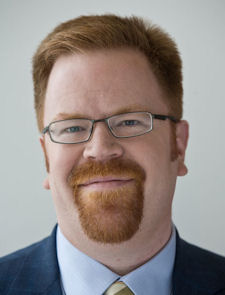
Mark Mullaly is president of Interthink Consulting Incorporated, an organizational development and change firm specializing in the creation of effective organizational project management solutions. Since 1990, it has worked with companies throughout North America to develop, enhance and implement effective project management tools, processes, structures and capabilities. Mark was most recently co-lead investigator of the Value of Project Management research project sponsored by PMI. You can read more of his writing at markmullaly.com.


There are so many management offices. Project management offices. Program management offices. Portfolio management offices. Change management offices. Strategy management offices. Value management offices. The list goes on, and on.
Which is the management office that makes the most difference? The one that isn’t there.
Organizations continue to implement project management offices. They do this despite the fact that research on a sustained basis has demonstrated that the life expectancy of a PMO, on average, is two years. That’s a woefully short time frame for something that represents a significant intervention in the structure and operation of an organization, and in which substantial financial resources and effort are invested.
I’ve discussed the reasons for these failures at length elsewhere, but a quick summary is useful. Most PMO implementations start in crisis. The organization is failing—or major projects are—and heroic efforts are made to recover. Once the crisis fades, however, the overwhelming tendency is for things to drift back to they way they were before. Add to this a failure of many PMOs to have a clear sense of purpose and value—and to deliver on this value. Expectations wear thin remarkably quickly.
Why does this keep happening? There are several reasons behind it, but a few fundamental ones sift their way to …
Please log in or sign up below to read the rest of the article.
|
"If you think you've hit a false note, sing loud. When in doubt, sing loud." - Robert Merrill |


