AI Is Coming for the Complacent
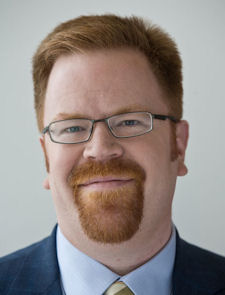
Mark Mullaly is president of Interthink Consulting Incorporated, an organizational development and change firm specializing in the creation of effective organizational project management solutions. Since 1990, it has worked with companies throughout North America to develop, enhance and implement effective project management tools, processes, structures and capabilities. Mark was most recently co-lead investigator of the Value of Project Management research project sponsored by PMI. You can read more of his writing at markmullaly.com.


In the last year, artificial intelligence has surged to prominence. It has been there for decades, of course, in some form or another. But it’s always seemed not quite real, not quite relevant and not quite ready for prime time. All of a sudden, it seems all those things and more.
University professors and high school teachers alike are worried about students using generative AI tools to write their assignments (and more concerned that they won’t be able to tell). Copywriters and content creators are using the same tools to kickstart their writing. I’ve seen examples of AI used for everything from lesson planning to conference content designing to meeting agenda development.
Generative AI doesn’t just help produce written content, of course. It can produce “art” in the style of any number of artists, famous or otherwise. It can create photos that never existed, as well as modify real ones. Features can be altered, people can be deleted, others can be added and whole scenescapes can be changed.
The consequence of these genuinely intriguing and exciting developments has been a great deal of debate and consternation about what AI means for the future. There are those that fear that AI will make their jobs obsolete. Others scoff at the possibility that such an outcome is even possible. Allow me to provide what may not feel like a lot of …
Please log in or sign up below to read the rest of the article.
|
The greatest mistake you can make in life is to be continually fearing you will make one. - Elbert Hubbard |


