The Vertical Office: Project Management Lessons From the Himalayas
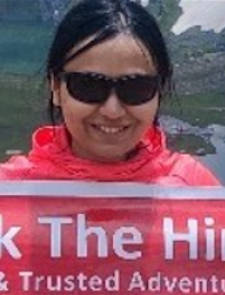
Lipika Bhattacharya is a Senior Associate at PwC.


Managing a project and trekking the Himalayas share more than just steep learning curves. From risk mitigation at 15,000 feet to the “agile” necessity of a weather window, the article explores how PMP principles ensure you do not just reach the summit but make it back home.
The First Step: Beyond the Base Camp
Every project manager knows the feeling of standing at the “Day 1” of a major initiative. The scope is defined, the stakeholders are aligned, and the “summit” looks achievable. But as an avid Himalayan trekker, I have realized that the distance between a project charter and a finished closeout report is much like the trek from Lukla to Everest Base Camp; that is, it is rarely a straight line.
I remember standing on the tarmac at Tenzing-Hillary Airport in Lukla, easily the world's most dangerous airport, carved into a Himalayan cliff at 9,383 feet. I watched our flight depart 40 minutes early because the pilot spotted a weather gap closing fast. Two of our party were still clearing bags.
The itinerary, carefully built over three months, was already irrelevant by 7 a.m. on Day 1. We regrouped, rebooked, and lost a day. That evening, reviewing our schedule over the dinner, I realized that the buffer day I had almost cut to save costs was now the only reason we would still make Base Camp on time. In project management, we …
Please log in or sign up below to read the rest of the article.
|
Tell me whom you love, and I will tell you who you are. - Houssaye |


