Managing Risk: Snatching Defeat from the Jaws of Victory
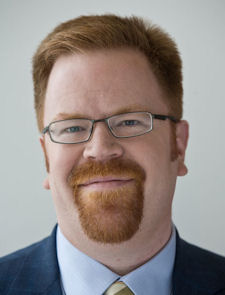
Mark Mullaly is president of Interthink Consulting Incorporated, an organizational development and change firm specializing in the creation of effective organizational project management solutions. Since 1990, it has worked with companies throughout North America to develop, enhance and implement effective project management tools, processes, structures and capabilities. Mark was most recently co-lead investigator of the Value of Project Management research project sponsored by PMI. You can read more of his writing at markmullaly.com.


Risk management has a bad name. Well, not really a bad name, per se, but a negative one. “Risk”, like “politics", is a word weighted with negative baggage. When we hear the word, we view it as focussing on problems.
Those who specialize in risk management don’t particularly help. They’re typically a conservative lot, consciously aware of what can go wrong and constantly hiding potential problems. They can make funeral directors look buoyant and fun-loving by comparison.
There’s a problem with all of this (and there we go again with the negatives): Risk management on projects becomes a doom-and-gloom exercise in finding all of the bad things that might go wrong, and coming up with plans of what to do about them. Project budgets inflate and schedules extend as mitigation and insurance strategies grow and contingency budgets balloon. We highlight the negatives to such an extent that we forget to focus on the positives.
As a word, “risk” is actually value-neutral. It represents uncertainty, and it is inherently associated with probability. Risk identifies not the things that will happen, but the things that might happen. To risk is to take a chance. To take a chance, though, is merely to take a chance. We can roll the dice and hope for the best, or we can roll the dice and hope for the worst. To look at risk …
Please log in or sign up below to read the rest of the article.


