The Hidden Forces of Change
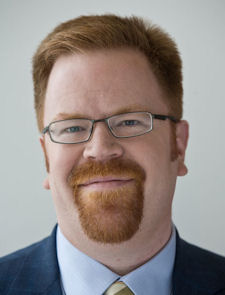
Mark Mullaly is president of Interthink Consulting Incorporated, an organizational development and change firm specializing in the creation of effective organizational project management solutions. Since 1990, it has worked with companies throughout North America to develop, enhance and implement effective project management tools, processes, structures and capabilities. Mark was most recently co-lead investigator of the Value of Project Management research project sponsored by PMI. You can read more of his writing at markmullaly.com.


Change is hard.
This, of course, is one of the most colossal understatements of all time. One of the greatest challenges that projects face lurks right at the end of the process, just as a project team realizes the success of finally translating an abstract vision and objective into a concrete, working, error-free solution: getting someone to actually use it.
You would think that this should be a fairly straightforward exercise. The organization wanted the solution enough to pay for it and take the time to get it. The business case likely articulated why the status quo was unsustainable, and why a new solution was required. The consultations with stakeholders would have not only amply signaled that a project was happening, but gave them a voice in defining what requirements should be included in the new solution.
Of course, there are projects and environments where the above activities don’t happen, or don’t happen well. But we’re not dealing with those issues here. In fact, we’re assuming they did occur, and that the project team got them right.
Even in the face of need, awareness and involvement, project results fail to get used. Implementations are resisted. People refuse to adapt their approach or shift their habits. This may seem ludicrous, irrational and unreasonable. That’s not the point. It happens, it is real and it is …
Please log in or sign up below to read the rest of the article.
|
"There is more to life than increasing its speed." - Mahatma Gandhi |


