The Gift of the Project Managers
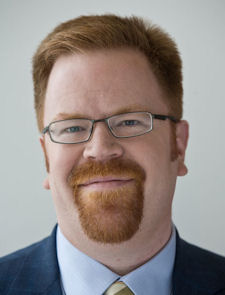
Mark Mullaly is president of Interthink Consulting Incorporated, an organizational development and change firm specializing in the creation of effective organizational project management solutions. Since 1990, it has worked with companies throughout North America to develop, enhance and implement effective project management tools, processes, structures and capabilities. Mark was most recently co-lead investigator of the Value of Project Management research project sponsored by PMI. You can read more of his writing at markmullaly.com.


Project management is a gift. At least it should be.
The promise of project management is proactive, deliberate and efficient attainment of outcomes. And what’s not to like about that?
The challenge is that for many, project management is seen to be formal, rigid and bureaucratic. It seems to place greater emphasis on documentation and process and formalization of approvals than the delivery of value-added results. These are many of the criticisms highlighted during the formation of the agile movement.
A case study may be helpful here. When participants in a recent assessment exercise were asked to define what project managers did, their perception was uniformly that they were responsible for “filling out forms,” “booking meetings,” “writing minutes” and “getting approvals.” In other words, project managers are often seen in practice as glorified executive assistants rather than leaders of complex organizational change.
It doesn’t need to be this way. The fact that it is often so is a product of a number of factors. How project management has been defined is frequently formal, rigid and rules-based. This sometimes attracts people with a strong detail orientation, which reinforces the formality of how project management is practiced.
Many of the most dominant tools—schedules, budgets, risk matrices …
Please log in or sign up below to read the rest of the article.
|
"If a man does only what is required of him, he is a slave. If a man does more than is required of him, he is a free man." - Chinese Proverb |


