A Different Approach to Corporate Giving?
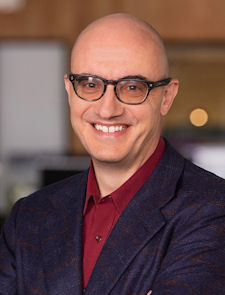
Andy Jordan is President of Roffensian Consulting S.A., a Roatan, Honduras-based management consulting firm with a comprehensive project management practice. Andy always appreciates feedback and discussion on the issues raised in his articles and can be reached at [email protected]. Andy's new book Risk Management for Project Driven Organizations is now available.


In 2006, a business model emerged that was unlike any other. It started with one company—one man, really—and at the time he was told he was crazy. The man was Blake Mycoskle, and the company was TOMS. The model was simple: For every pair of shoes that TOMS sold, it would donate a pair of shoes to someone in need (not money to buy shoes, but an actual pair of shoes).
Three years later, the company invested further and set up a group of people focused on international development, health and non-profit. They were tasked to develop relationships with non-government and humanitarian organizations throughout the developing world. Again, not giving money to third parties, but setting up their own in-house group.
Over the years, the model has gained some momentum, and as social awareness became a bigger concern in the last three to five years, it has started to really pick up. Now you can find producers of backpacks, socks, toothbrushes, soap, books and more who use a one-for-one donation model. There are also variations on the theme with companies who produce wooden products planting a tree for every sale as an example.
While it’s gained traction, this remains a niche approach to giving, and it’s still not completely accepted by mainstream organizations (or by some investors approached by these often small and new businesses). But 2020 changed things …
Please log in or sign up below to read the rest of the article.
|
The greatest mistake you can make in life is to be continually fearing you will make one. - Elbert Hubbard |


