


On my way to Cincinnati this week I picked up the book "Switch: How To Change Things When Change Is Hard" by Chip and Dan Heath. After watching "Eat Pray Love" on inflight entertainment (got to have my priorities straight - is the book as good as the movie?), I finally started reading Switch.
The woman seated next to me looked at me a little concerned when I started screaming: "Yes!! Exactly!". I recommended she watched "Eat Pray Love" (with Julia Roberts!) instead.
Before I tell you what I was so excited about I have to explain why I was going to Cincinnati. I was honored to attend the excellent PMI South West Ohio Chapter Mega Event and talk about The Wizard Of Oz. As a metaphor. For stakeholder management.
Yes.
Talking about The Yellow Brick Road.
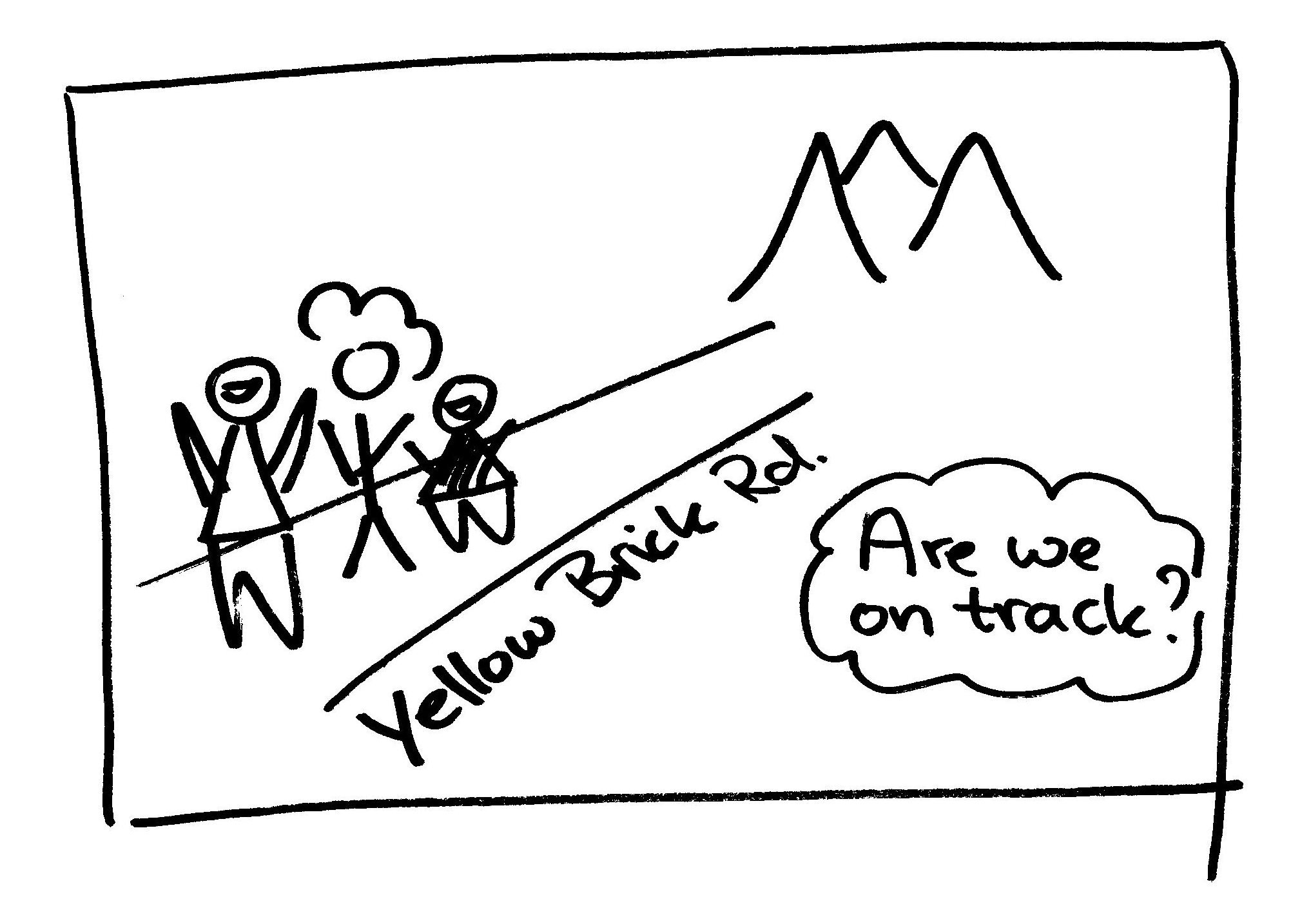
Yes. I know!
It's the metaphor for managing expectations. Although I find the word "managing" a little presumptuous. As if!
How does a stakeholder know his expectations are going to be met? How does he know that we are on the right track?
Important. Yes. It is.
If stakeholders don't have a sense that their expectations are going to be met, they get restless, unhappy, and all kinds of emotional states that are not productive for the project.
So. Yellow Brick Road. Yes.
Wherever you are in Oz, as long as you are on the yellow pavement you are on the right track. Awesome.
So. What is your Yellow Brick Road? What do you expect to see along the way to the end?
We taked about it last summer:
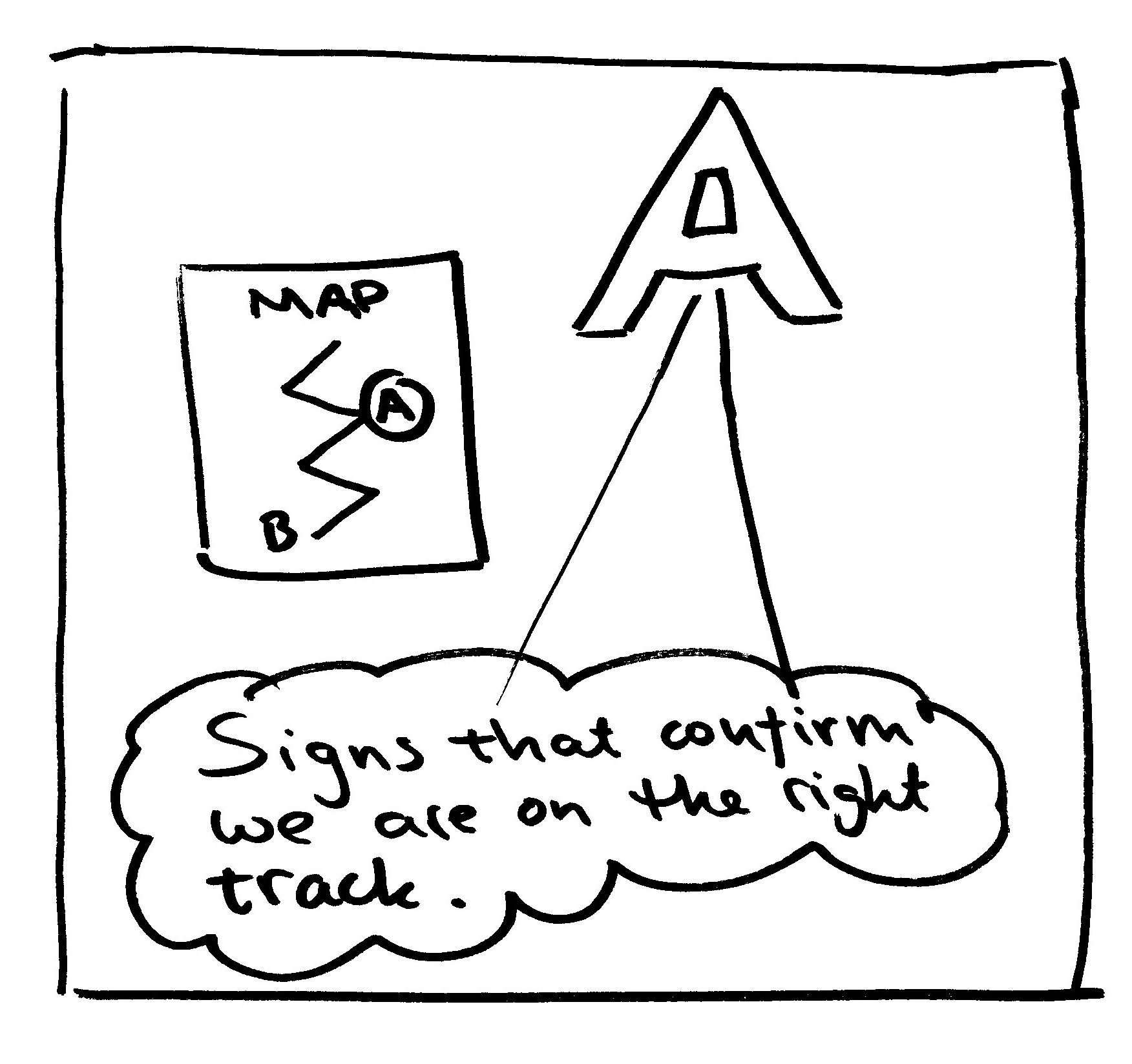
"When I was a kid my family drove every summer from The Netherlands down to the south of France. I loved those three day road trips. Navigation systems didn't exist back then (yes, I am that old) so my father had written down detailed instructions on how to find our way to the Cote d'Azur.
The drill went like this. He had written down checkpoints we should cross. Like a crossroad, a town, or a specific highway. I would set in the back of the car, leaned forward between the front seats and looking for the next checkpoint. Seeing a checkpoint made me happy. Waiting for one made me anxious. Looking at an expected crossroad provided the confirmation that we were heading in the right direction for our summer holiday."
We can even turn this into a "technique".
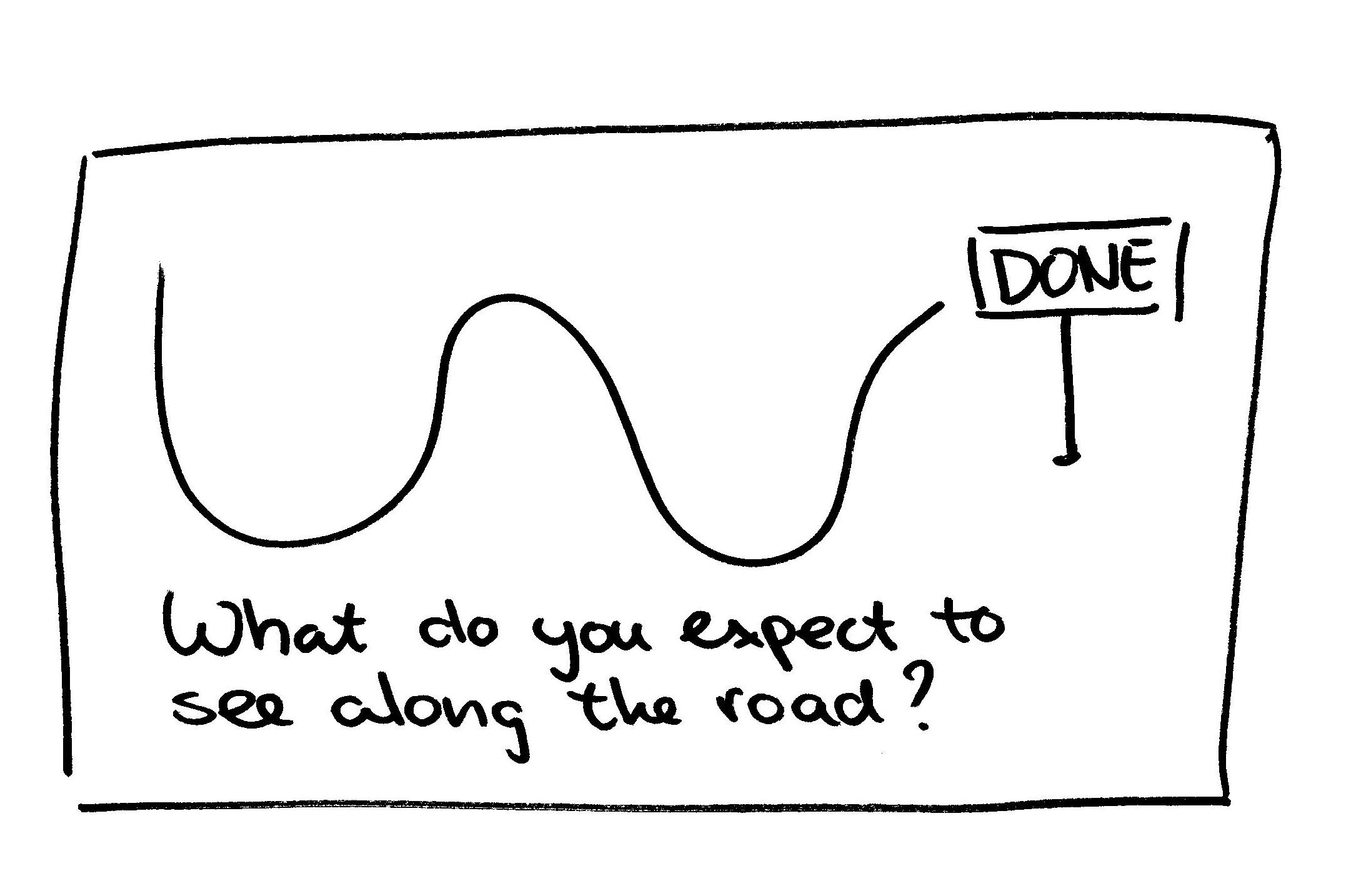
On a white board draw a road, with turns and twists and obstacles blocking the view from one turn to another.
Ask your stakeholders what they are expecting “to see” along the road. Start with the end in mind and work your way back. Before they go to production, what are they expecting to get? (Did someone just think “acceptance criteria”?)
Use project phases to indicate “checkpoints”. Use absolute calender time. Use budget scales. What are you’re expectations when 50% of the budget is gone? How do you know you’re expectations are met?
Back to the book "Switch".
The authors explain how challenging big goals can be. They can seem impossible. But by creating smaller goals, that ultimately lead the way to the larger end goal, people get motivated. Reaching the first check point on the map can provide them with the feeling that, yes! this is possible.
Yes!
Have to clean the entire house? How about your Yellow Brick Road consists of single rooms. Cleaning one room seems possible. After you have cleaned the first, you feel proud, and think "Yes! This is possible."
So. Yellow Brick Road as motivator in change. Wow.
Bas de Baar is a writer who draws about people in transition. He loves to make visual maps and travel guides for the collaborators of our brave new world.




