3 Leadership Lessons From A Global Pandemic
From the Voices on Project Management Blog
by Cameron McGaughy,
Lynda Bourne, Kevin Korterud, Peter Tarhanidis, Conrado Morlan, Jen Skrabak, Mario Trentim, Christian Bisson, Yasmina Khelifi, Sree Rao, Soma Bhattacharya, Emily Luijbregts, David Wakeman, Ramiro Rodrigues, Wanda Curlee, Lenka Pincot, cyndee miller, Jorge Martin Valdes Garciatorres, Marat Oyvetsky

Voices on Project Management offers insights, tips, advice and personal stories from project managers in different regions and industries. The goal is to get you thinking, and spark a discussion. So, if you read something that you agree with--or even disagree with--leave a comment.
View Posts By:
Cameron McGaughy
Lynda Bourne
Kevin Korterud
Peter Tarhanidis
Conrado Morlan
Jen Skrabak
Mario Trentim
Christian Bisson
Yasmina Khelifi
Sree Rao
Soma Bhattacharya
Emily Luijbregts
David Wakeman
Ramiro Rodrigues
Wanda Curlee
Lenka Pincot
cyndee miller
Jorge Martin Valdes Garciatorres
Marat Oyvetsky
Past Contributors:
Rex Holmlin
Vivek Prakash
Dan Goldfischer
Linda Agyapong
Jim De Piante
Siti Hajar Abdul Hamid
Bernadine Douglas
Michael Hatfield
Deanna Landers
Kelley Hunsberger
Taralyn Frasqueri-Molina
Alfonso Bucero Torres
Marian Haus
Shobhna Raghupathy
Peter Taylor
Joanna Newman
Saira Karim
Jess Tayel
Lung-Hung Chou
Rebecca Braglio
Roberto Toledo
Geoff Mattie
Recent Posts
Project 2030: Skills We Need to Cultivate Now
The Technical Program Manager: How to Stay Relevant in 2025
5 Things Your Operational Plan Should Do
5 New Project Guardrails for Adaptive Leaders
The Leader's Voice: Respect It, Protect It, and Use It Properly!
Categories
2020,
Adult Development,
Agile,
Agile,
Agile,
agile,
Agile management,
Agile management,
Agile;Community;Talent management,
Artificial Intelligence,
Backlog,
Basics,
Benefits Realization,
Best Practices,
BIM,
business acumen,
Business Analysis,
Business Analysis,
Business Case,
Business Intelligence,
Business Transformation,
Calculating Project Value,
Canvas,
Career Development,
Career Development,
Career Help,
Career Help,
Career Help,
Career Help,
Careers,
Careers,
Careers,
Careers,
Categories: Career Help,
Change Management,
Cloud Computing,
Collaboration,
Collaboration,
Collaboration,
Collaboration,
Collaboration,
Communication,
Communication,
Communication,
Communication,
Communications Management,
Complexity,
Conflict,
Conflict Management,
Consulting,
Continuous Learning,
Continuous Learning,
Continuous Learning,
Continuous Learning,
Continuous Learning,
Cost Management,
COVID-19,
Crises,
Crisis Management,
critical success factors,
Cultural Awareness,
Culture,
Decision Making,
Design Thinking,
Digital Project Management,
Digital Transformation,
digital transformation,
Digitalisation,
Disruption,
Diversity,
Diversity,
Documentation,
Earned Value Management,
Education,
EEWH,
Enterprise Risk Management,
Escalation management,
Estimating,
Ethics,
execution,
Expectations Management,
Facilitation,
feasibility studies,
Future,
Future of Project Management,
Generational PM,
Governance,
Government,
green building,
Growth,
Horizontal Development,
Human Aspects of PM,
Human Aspects of PM,
Human Aspects of PM,
Human Aspects of PM,
Human Aspects of PM,
Human Resources,
Inclusion,
Information Technology,
Innovation,
Intelligent Building,
International,
International Development,
Internet of Things (IOT),
Internet of Things (IoT),
IOT,
Knowledge,
Leadership,
Leadership,
Leadership,
Leadership,
Leadership,
lean construction,
LEED,
Lessons Learned,
Lessons learned;Retrospective,
Managing for Stakeholders,
managing stakeholders as clients,
Mentoring,
Mentoring,
Mentoring,
Mentoring,
Mentoring,
Mentorship,
Mentorship,
Methodology,
Metrics,
Micromanagement,
Microsoft Project PPM,
Motivation,
Negotiation,
Neuroscience,
neuroscience,
New Practitioners,
Nontraditional Project Management,
OKR,
Online Learning,
opportunity,
Organizational Culture,
Organizational Project Management,
Pandemic,
People management,
Planing,
planning,
PM & the Economy,
PM History,
PM Think About It,
PMBOK Guide,
PMI,
PMI EMEA 2018,
PMI EMEA Congress 2017,
PMI EMEA Congress 2019,
PMI Global Conference 2017,
PMI Global Conference 2018,
PMI Global Conference 2019,
PMI Global Congress 2010 - North America,
PMI Global Congress 2011 - EMEA,
PMI Global Congress 2011 - North America,
PMI Global Congress 2012 - EMEA,
PMI Global Congress 2012 - North America,
PMI Global Congress 2013 - EMEA,
PMI Global Congress 2013 - North America,
PMI Global Congress 2014 - EMEA,
PMI Global Congress 2014 - North America,
PMI GLobal Congress EMEA 2018,
PMI PMO Symposium 2012,
PMI PMO Symposium 2013,
PMI PMO Symposium 2015,
PMI PMO Symposium 2016,
PMI PMO Symposium 2017,
PMI PMO Symposium 2018,
PMI Pulse of the Profession,
PMO,
PMO,
pmo,
PMO Project Management Office,
portfolio,
Portfolio Management,
Portfolio Management,
portfolio management,
presentations,
Priorities,
Probability,
Problem Structuring Methods,
Process,
Procurement Management,
profess,
Program Management,
project,
Project Delivery,
Project Dependencies,
Project Failure,
project failure,
Project Leadership,
Project Management,
project management,
project management office,
Project Planning,
project planning,
Project Requirements,
Project Success,
Ransomware,
Reflections on the PM Life,
Remote,
Remote Work,
Requirements Management,
Research Conference 2010,
Researching the Value of Project Management,
Resiliency,
Risk Management,
Risk Management,
Risk management,
risk management,
ROI,
Roundtable,
Salary Survey,
Schedule Management,
Scheduling,
Scope Management,
Scrum,
search,
SelfLeadership,
SelfLeadership,
SelfLeadership,
SelfLeadership,
SelfLeadership,
Servant Leadership,
Sharing Knowledge,
Sharing Knowledge,
Sharing Knowledge,
Sharing Knowledge,
Sharing Knowledge,
Social Responsibility,
Sponsorship,
Stakeholder Management,
Stakeholder Management,
stakeholder management,
Strategy,
Strategy,
swot,
Talent Management,
Talent Management,
Talent Management,
Talent Management,
Talent Management,
Talent Management Leadership SelfLeadership Collaboration Communication,
Taskforce,
Teams,
Teams in Agile,
Teams in Agile,
teamwork,
Tech,
Technical Debt,
Technology,
TED Talks,
The Project Economy,
Timeline,
Tools,
tools,
Transformation,
transformation,
Transition,
Trust,
Value,
Vertical Development,
Volunteering,
Volunteering #Leadership #SelfLeadership,
Volunteering Sharing Knowledge Leadership SelfLeadership Collaboration Trust,
VUCA,
Women in PM,
Women in Project Management
Date
By Dave Wakeman
My editors always say I bring an interesting perspective to project management and leadership. I like to think it’s because I come to project management from fields that are not often associated with project management, such as marketing, politics and sports.
Even though project management touches every field.
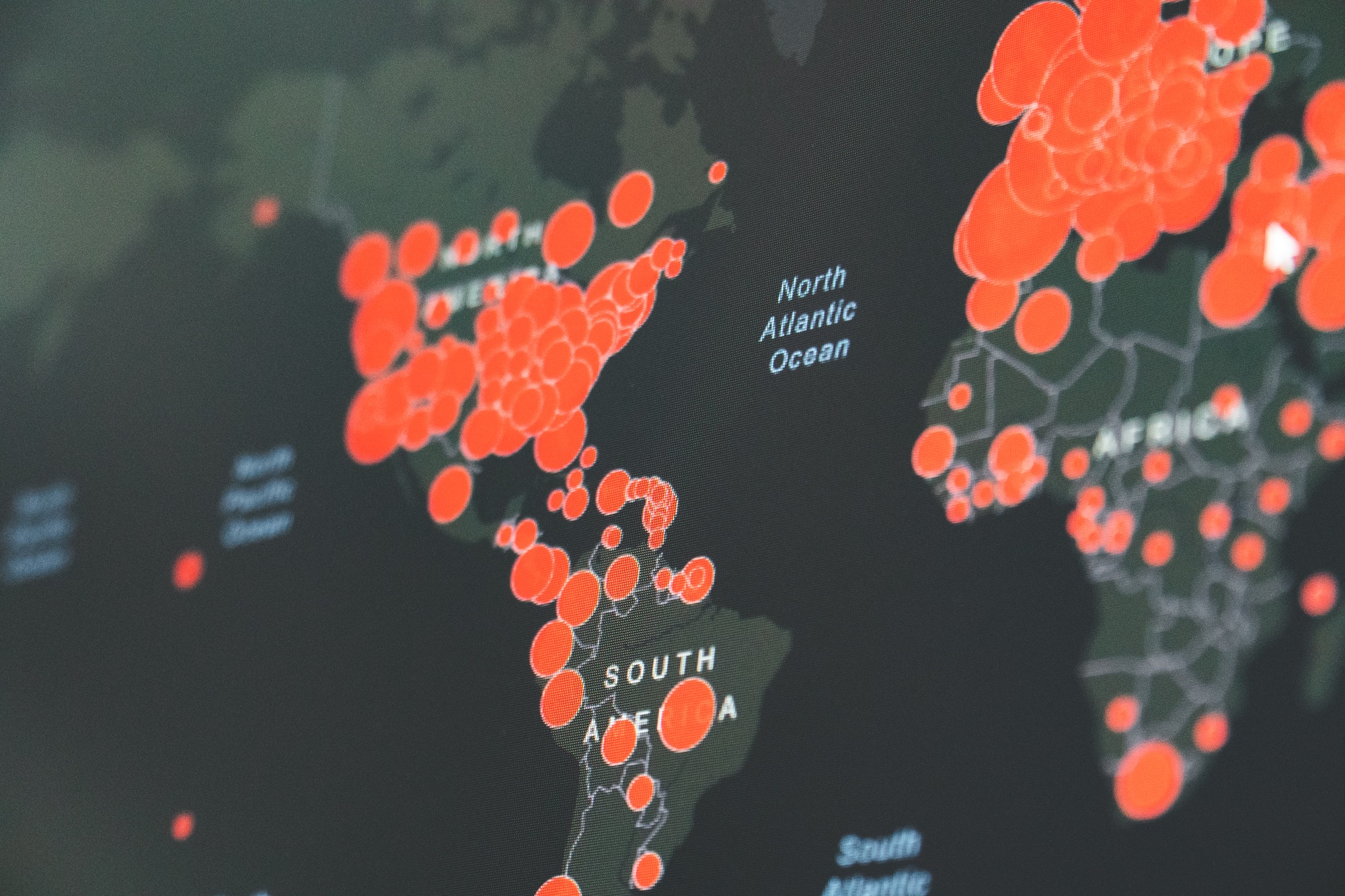
As I’m writing this, I’ve been at home acting as chief teaching officer to my 9-year-old son, chief sounding board for my partner, chief shoulder to a lot of mentees and chief play toy to my bulldog, due to the spread of the coronavirus and the actions of governments around the world to protect their citizens and mitigate the damage of this new virus.
While many of us are physically distanced from each other, I’ve had a lot of time to watch the responses and observe them as an exercise in project management.
And, to be quite honest, if many of the leaders around the world were working as project managers for the organizations I work with, a lot of them would be fired.
But … I think all of us can also learn a lot from this moment, and I hope we do. Here are three things I’m learning about project management from the coronavirus crisis:
1. Leadership matters: I was in Australia in November, and I remember standing in the airport in Melbourne with my colleague the first time I was made aware of the coronavirus.
Since then, we’ve seen many leaders around the world downplay COVID-19, lie about their knowledge of the disease or try to pass the buck for their poor response as the people impacted by the coronavirus continued to grow.
Across the globe, this lack of vision, urgency and direction has marked the response to the coronavirus.
That’s a lack of leadership.
In normal situations, we know that leadership matters and that having vision, providing guidance and supporting your team is important. In a crisis, the importance of leadership multiplies exponentially.
This is why we have to recognize that our role as managers is to lead—to bear the brunt of knowledge, direction and action. That’s been missing in so many places throughout the pandemic.
2. Communication is king: In general, 90 percent of a project manager’s job is communication, up and down the stakeholder map. That doesn’t change no matter what kind of project you are leading.
As we work through the impacts of the viral pandemic, we must consider what makes communication effective, and that includes things like timeliness, consistency and truthfulness.
We’ve seen the timeliness of communication from leaders be pretty good, at least over the last few weeks. Though, if I were the leader of these projects, I’d default to communicating and explaining things earlier.
As far as consistency, we’ve seen a number of leaders around the world change their messages and directions to citizens almost daily, which isn’t a very effective way to generate the best results.
Finally, truthfulness. I know from experience that you can’t tell your teams and stakeholders everything all the time, due to legal exposure, security or other issues. But the malleability of the truth in the face of a once-in-a-lifetime event has been quite alarming.
All three of these inputs are extremely important to the success of your communications with your team and stakeholders.
3. Teamwork is essential: As project managers, we lead teams of people with diverse skills, agendas and needs. Our ability to get these folks moving in the same direction, if only long enough to complete their part in our project, defines our success or failure.
In the global reaction to the coronavirus, we have seen a disjointed response with each country and continent going their own way.
Lack of teamwork is harmful in this case, obviously. We haven’t taken coordinated efforts to reduce travel, slow infections and increase production of necessary medical equipment.
But the larger point is that if you are leading a team and no one is working together, your ability to achieve your goals and positive results seems to deteriorate rapidly.
That’s on display today.
Overall, I’ve been disappointed with the way leaders around the world have responded to the coronavirus outbreak. We mustn’t discount the lessons learned as we witness governing bodies across the globe either rise to the occasion or falter in response to the coronavirus pandemic.
What do you think? Let me know in the comments.
Posted
by
David Wakeman
on: March 31, 2020 01:36 PM |
Permalink
Comments (25)
Page: 1 2 <prev
Please login or join to subscribe to this item

Robert Suárez
Arquitecto / Magíster en Diseño, Gestión y Dirección de Proyectos| CEAOSA (en actividad)
Montevideo, Montevideo, Uruguay
Hola a todos, espero se encuentren bien.
Les escribo desde un pequeño país, Uruguay, que seguro muchos de Uds. ni sepan donde queda.
Comparto gran parte de los comentarios respecto a este articulo y les quiero recordar que también hay que ser objetivos y no generalizar. No todos los Gobiernos se manejaron de igual manera.
Nuestro país, ante situaciones difíciles siempre ha actuado de manera muy solidaria y sin importar el partido político de turno que este en el Gobierno.
Las medidas tomadas, obviamente que no se puede complacer a todos, pero en gral. han sido acertadas y a tiempo. De hecho no hemos tenido picos exponenciales y la curva la estamos transformando en meseta entre todos. La comunicación y transparencias ha sido la clave, más allá de un sistema de salud que en su cobertura alcanza a todos. El Gobierno con transparencia y apoyado por expertos en las diferentes áreas (salud, economía, social, trabajo, etc.) ha toma medidas a tiempo. Sumado a que el ciudadano común, con mucha conciencia y una actitud de solidaridad enorme, han sido la clave. Desde el Gobierno también se han preocupado no solo por los que estamos en el país sino por todos los compatriotas que quedaron varados por todo el mundo. Generaron e impulsaron los Corredores Humanitarios (escucharon de ellos...) y pudieron lograr que mas de 2.500 Uruguayos retornaran a su tierra...
Esta demás decir que en esa línea se prestó asistencia a un crucero con pasajeros extranjeros cuando en todos lados le negaban la misma. no sólo eso, sino que se realizó un operativo de máxima seguridad para que estas personas pudieran volver a sus hogares.
Mañana sabremos si se realizaron las cosas bien, pero seguro que en el mundo hay esperanzas y ejemplos que podemos seguir para cambiar la manera de actuar.
Sin dudas que a nivel global no estamos preparados para situaciones de esta magnitud, pero en estos casos hay que sacar a luz las cosas que también se hicieron bien y no sólo lo negativo. Tal vez, hay que dejar de mirar al llamado "primer mundo" y abrirse más y ser capaz de ver ejemplos de lugares más pequeños, insignificantes pero ejemplares.
Para que no se confunda con un mensaje político, le digo que ni siquiera soy a fin del partido político del Gobierno oficial, pero como democracia que esta en nuestras raíces, se ha convertido en el Gobierno de todos y hay que reconocer cuando se hacen las cosas en la dirección correcta...

Cameron Ahmad
Capital Planner and Special Projects' Coordinator| Government of Nunavut, Canada
Brampton, Ontario, Canada
Dave,
A very timely note by you to share during these times and learn.

Engdaw Admasu
Construction Project Manager| Water Works Corporation (WWC)
Kombolcha Town, Ethiopia
Thanks for sharing these ideas !

Marcus Udokang
Project Manager| Aivaz Consulting
Calgary, Alberta, Canada
Fantastic article. Thanks for sharing.

Nilesh Mahajan
Program Manager| Quest Global Engineering Pvt. Ltd.
Pune, India
Hi David,
Appreciate for sharing your experience and leadership lessons from a global pandemic. Indeed very insightful perspective!
Page:
1 2 <
prev Please Login/Register to leave a comment.
|
"Anyone who is capable of getting themselves made president should on no account be allowed to do the job."
- Douglas Adams
|




