


Guessing is not a strategy: How to build decision velocity with AI and real-time data
June 10, 2026 | Live Webinar

Navigating from a BA to Senior BA Role
How the Big 4 Impact our Personal and Professional Lives
The Impact of AI on the BA Role
Effective Communication is Essential for Project Success
Organizational Culture within The Walt Disney Company
Artificial Intelligence, business analysis, communication, Leadership, mentorship, organization, project management


To be sustainable does your own company culture need to change? How?
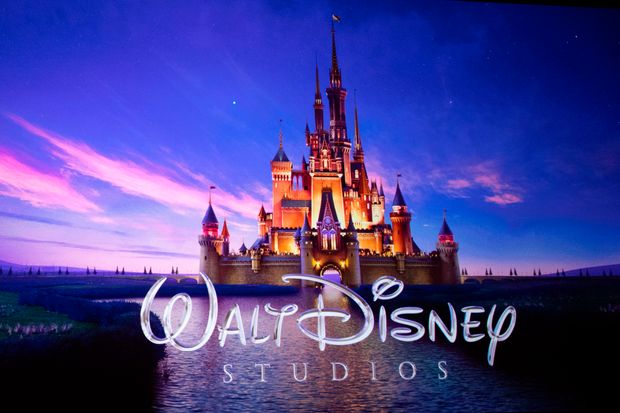
Perhaps Walt Disney expressed it best when he said "It's kind of fun to do the impossible.". The Disney corporation has managed to be sustainable within it's organizational culture, by doing what might appear as the impossible. That is, by building franchises while adapting to change.
Walt Disney did a fabulous job in embedding a solid foot print in the franchise business. Later Michael Eisner, as CEO of the Disney corporation, filled those leadership shoes well, by focusing on creativity, branding and synergies. But by the late 1990s, Eisner's centralized management style had created a rather contentious culture. Older management styles were not working. A sign of the times no doubt.
Since change is constant, Robert Iger, having taken over the reigns as CEO from Michael Eisner in 2005, showed fresh modern visionary thinking. Iger's more unifying framework helped to integrate executives internally. This allowed him to better align with the external environment, such as promoting cooperation by mending sore wounds between Disney and Steve Jobs of Pixar Animation Studios. But most importantly, Iger's early sustainable strategy was to adapt to changing competition and market forces by embracing a less rigid, and more flexible system with self-managing teams, allowing employees a wider span of creative control.
Walt Disney's horizontal organizational design with a flattened non-hierarchical structure, needed to become highly organic under Robert Iger, which is better suited to a faster changing business environment. Especially, where the emphasis is on the Internet and increasing globalization. By delegating autonomous business units, Iger increased trust and accountability throughout all levels of the business.
By incorporating creative content, technological innovation and global expansion, Iger had the recipe for modern day success. This combination had a disruptive effect because Iger recognized how to take an external market force, like technology, and make it an opportunity to expand Disney's financial arm to reach across the world, enveloping many complex and sometimes simple-unstable forces. Thus, Robert Iger restructured Disney to comfortably fit into the external environment, by using their resources and capabilities to create a competitive advantage.
Iger created a business vertical whereby the Disney corporation could produce and distribute its own products and services, and diversify in investments and acquisitions of companies like Lucas Film, Touchstone, Marvel Studios, worldwide theme parks, media networks like ABC, licensing deals, comic strips, TV, and publications. Take a box office hit movie and capitalize on it with merchandise and product spin offs: an impetus for proud profits. Adding a video streaming platform was the icing on the cake. And, accessing emerging markets like Latin America, Europe and China helped to bolster beyond predicted profit margins.
By focusing on core business drivers for change, Iger was able to overcome key obstacles. And, by exploiting technology, what might appear to be a threat to some, the Disney corporation was able to succeed and thrive substantially in the external environment.
Though it might be impossible to believe, I'm sure that Robert Iger found changing Disney's company culture to a more efficient and effective business model, kind of fun to do.


Please Login/Register to leave a comment.
|
It's like deja vu all over again. - Yogi Berra |