What Is the Future of Project Management?


|
Various organizations and individuals have made great contributions to advance the project management profession over the past few decades. And as standards and methodologies continue to evolve, new tools and techniques are used to plan and manage all kinds of initiatives. However, myriad approaches can take a toll on productivity and collaboration, since it’s hard to maintain consistency and a common language across frameworks. Is project management evolving too fast?
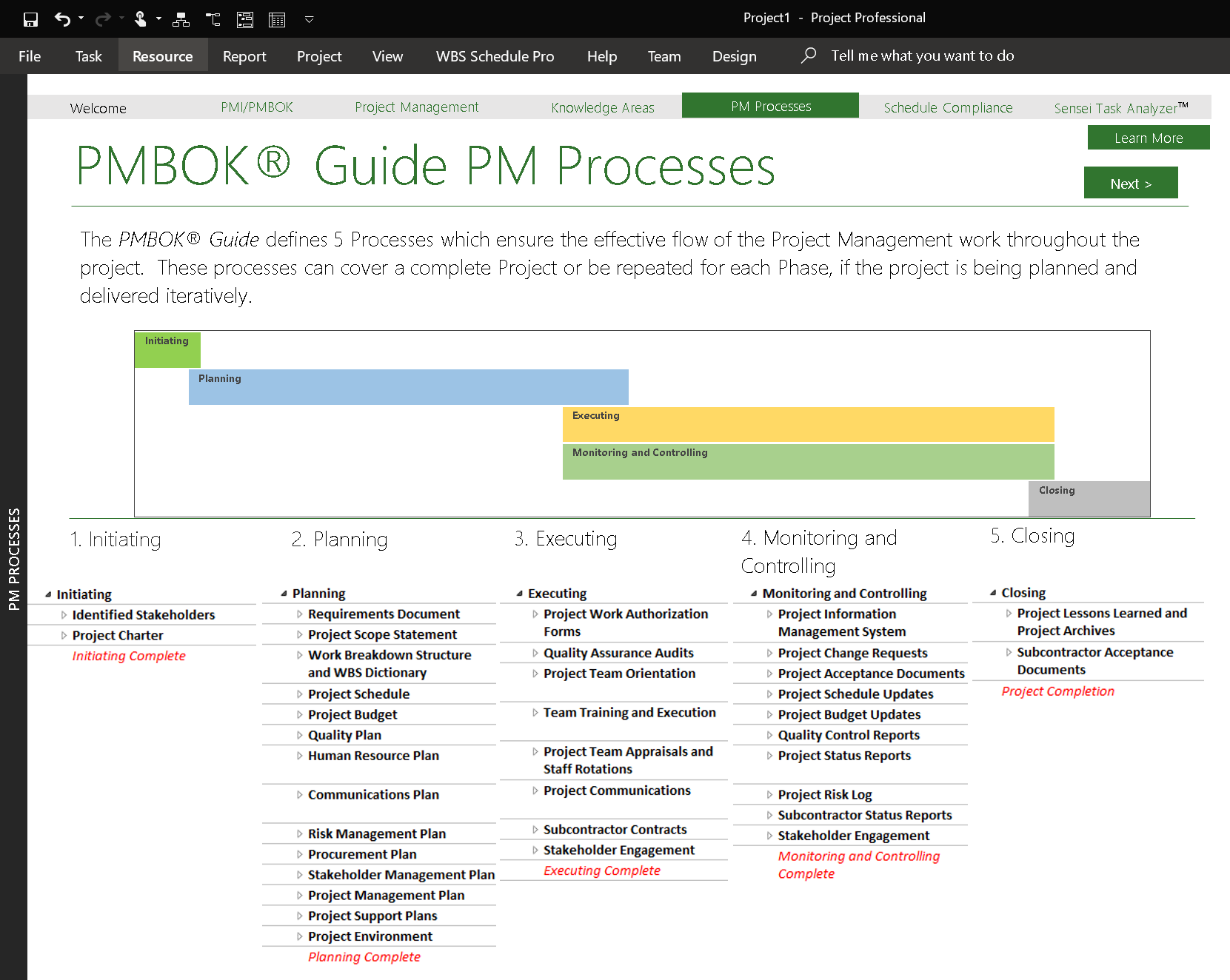
The Project Management Revolution “One size fits all” does not apply to project management. It’s common sense. So why was project management standardized in the past? Taking into consideration that project management initially was applied to large technical projects in their early stages, a command and control approach was the norm. Planning and management were centralized. The management style favored hierarchy and disincentivized creativity. A waterfall approach made sense, as the context of project management existed outside of the uncertainty and volatility that many projects face today.
Figure 1: “Traditional” projects based on past versions of the PMBOK® Guide (Microsoft Project template)
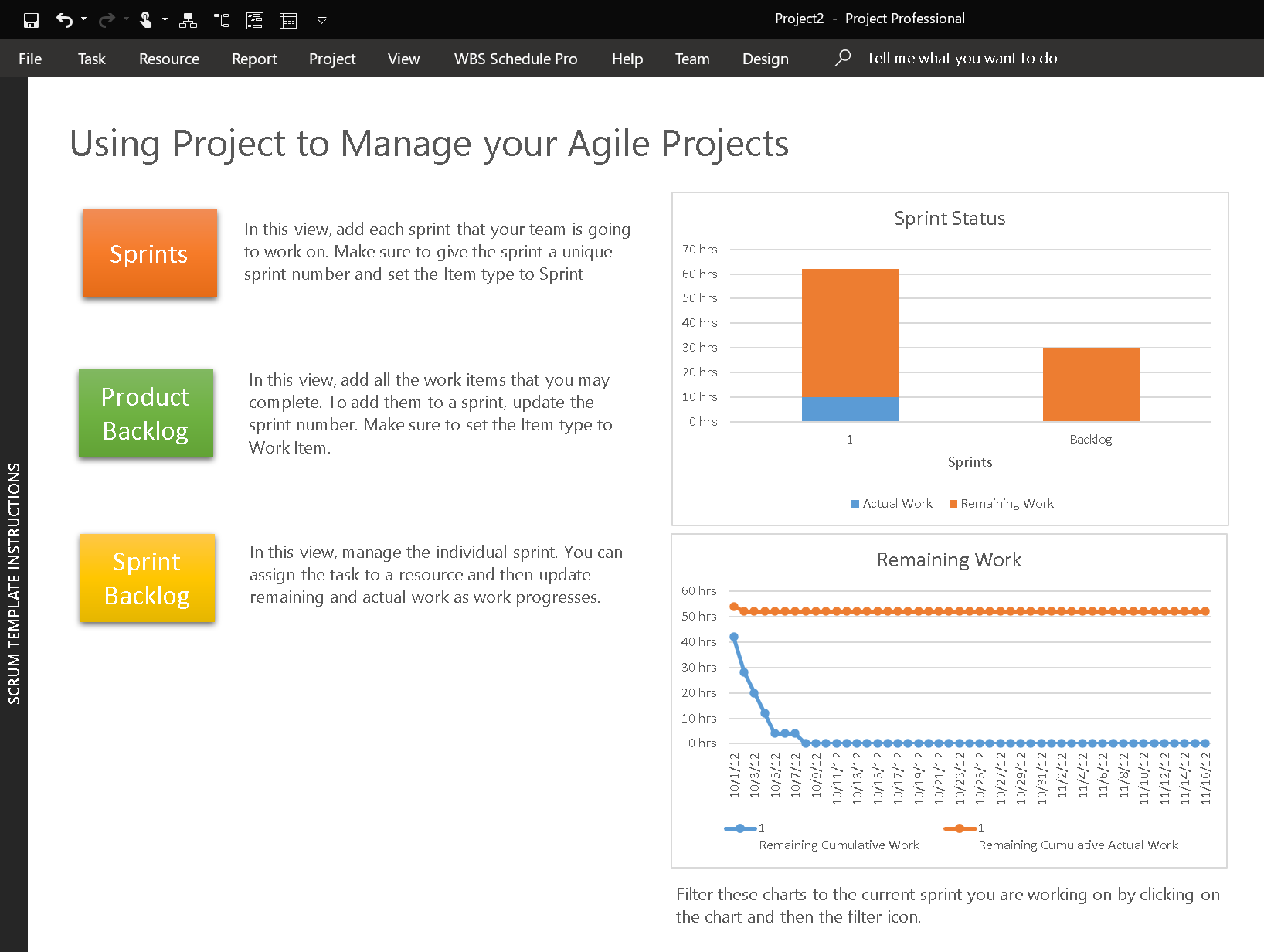
Things shifted as enterprise environmental factors changed. Agile approaches were developed to allow for shorter execution cycles and more frequent feedback. Individuals and teams started voicing their opinions, discussing best practices with a lean mentality to improve their work and results.
Figure 2: Agile projects (Microsoft Project template)
The project management revolution spread like wildfire. Project management is currently used in education, marketing projects, event planning, human resources initiatives, infrastructure megaprojects, and much more. It is part of daily operations in various industries, private companies, nonprofits, and the governmental sector. As a result, a variety of approaches and methodologies were created to keep projects on target. Consequently, it has become increasingly difficult to define project management today.
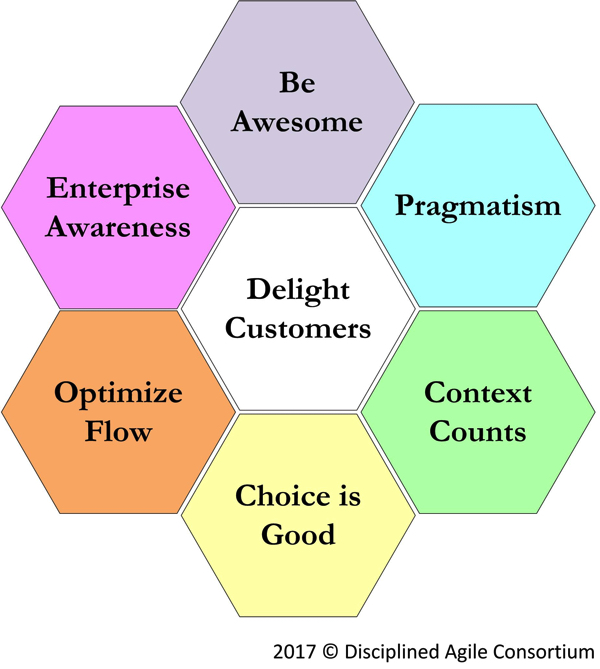
Embracing Modern Project Management Digital transformation and technology are catalyzing changes in organizational structures and enabling new capabilities by empowering individuals and teams. To keep pace with the changes, modern project management evolved into a broad and general principle-based approach.
Figure 3: Disciplined Agile Principles
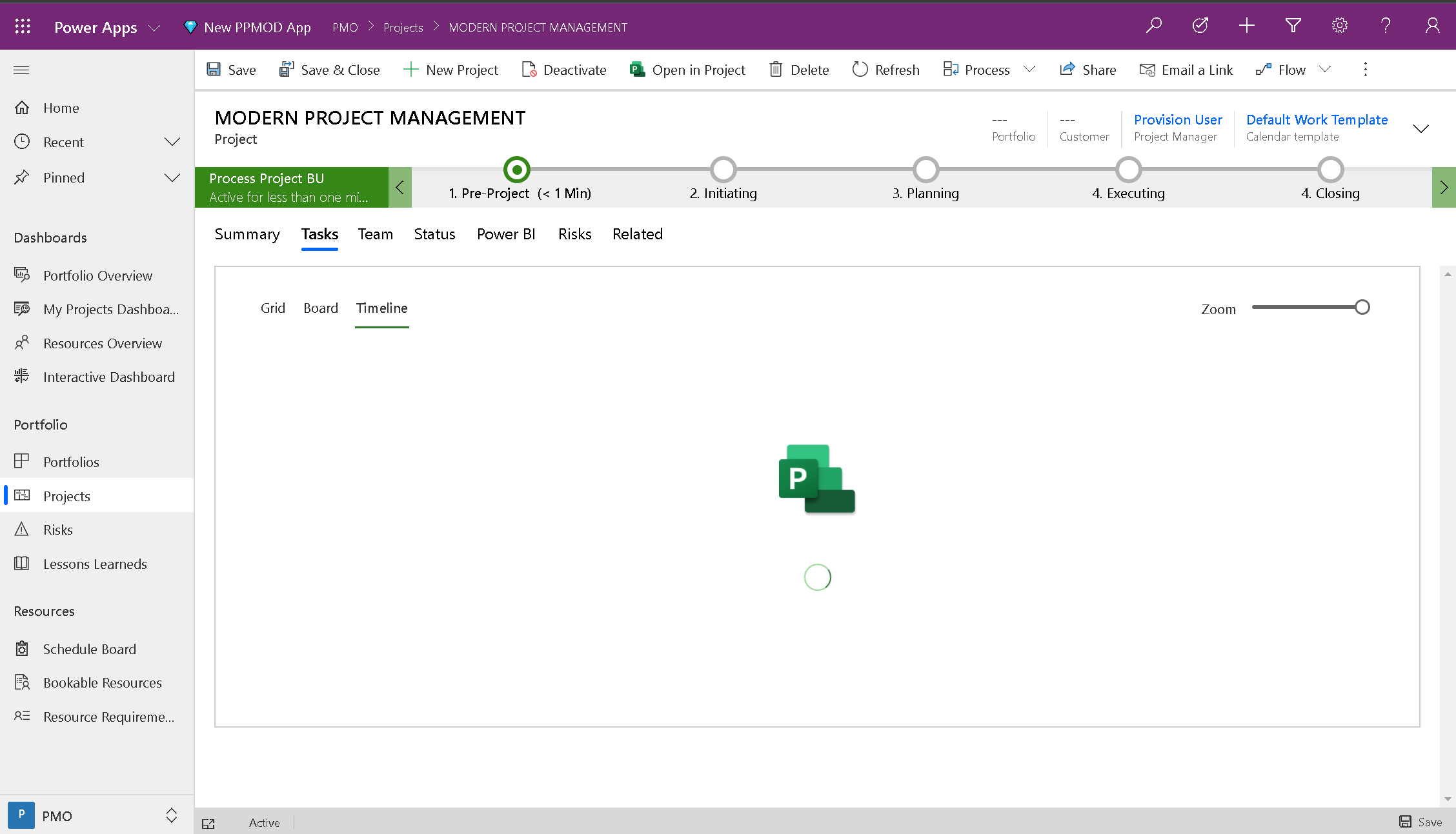
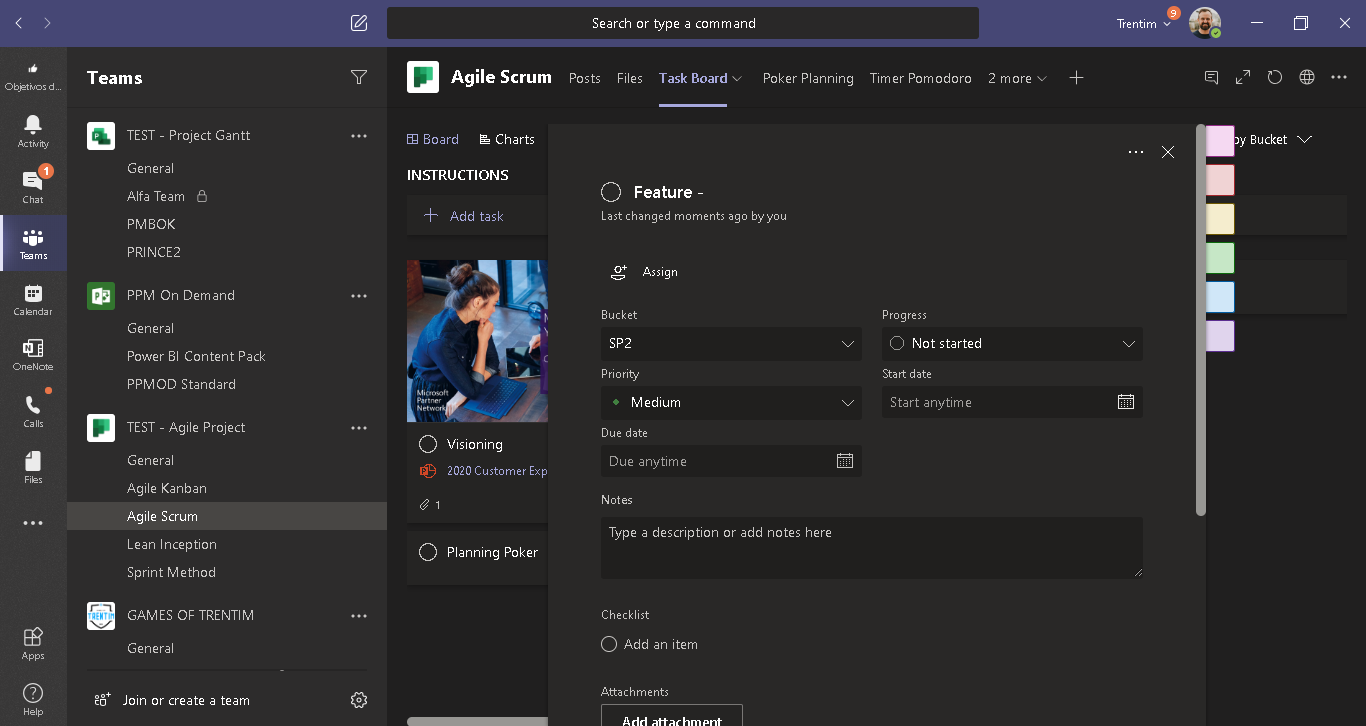
Principle-based approaches enable individuals and teams to choose what is best for their project according to its characteristics. From the perspective of processes, tools, and techniques, modern project management embraces hybrid combinations, which are powered by modern tools. Modern project management must be supported by contemporary collaboration tools, intuitive and flexible task management, virtual workspaces, and more.
Figure 4: Collaboration hub and intuitive task management Spurred by the global pandemic, organizations have recently taken remote work to another level. And individuals and teams must become more tech-savvy than ever to keep up.
How do you see project management evolving in the near future and how do you keep up with its changes?
|

The Perks of Communities of Practice During COVID-19
Categories:
Agile;Community;Talent management
Categories: Agile;Community;Talent management
|
By Lenka Pincot As COVID-19 lockdowns are lifted, companies are finding new strategies to handle traffic in their offices and ensure the well-being of their employees. Going forward, it’s expected that employees will use home offices more than before, physical office spaces may shrink, and traditional formats of team interactions may not return anytime soon. Even before the pandemic, many of us were already working on virtual teams and relying on online collaboration tools. But we took for granted that we could meet our colleagues face-to-face if we wanted to, and we expected regular all-team meetings at least a few times a year. When rethinking my old ways of working with larger and cross-functional teams, I came to the realization that it is more important than ever to encourage forming internal Communities of Practice that provide platforms for peer-to-peer sharing and professional development. What Are Communities of Practice? Communities of practice (COPs) are informal groups of practitioners with a shared profession or passion. The group’s identity is defined by its domain, members and practice. We don’t have to look far to name one of the best examples: PMI, the global community of practice for project management professionals. COPs may also be formed internally within companies. They are supposed to be created organically as a response to the needs of professionals. The COP concept is often part of agile frameworks as a recommended way to foster cross-team experience exchange. Imagine a COP for all scrum masters who are part of various different teams across the company. Regular meetings and interactive platforms help them learn and encourage networking. Scrum masters may discuss how their job differs or what challenges they face. They have their community to find a safe space, to discuss best practices or to propose new concepts to experiment with. If they don’t belong to the same organization unit, a COP may be the only way to gather. The Benefits of Creating COPs Reflecting on how the COVID-19 pandemic is impacting the way we work, I would recommend actively encouraging the formation of COPs within your organization, with these three main reasons in mind: 1. They allow teams to quickly respond to new needs. The reaction to circumstances driven by COVID-19 may put teams in different situations. Some teams may be using more digital collaboration tools because they were partly virtual, others may be forced to learn new skills. Creating platforms and encouraging experience-sharing for professionals across these teams through COPs may speed up the learning process. On top of that, the groups could be geared toward specific professions, increasing the likelihood of fast adoption of the concrete recommendations. Take me for instance: I’m a coach and transformation leader. I rely on non-verbal communication when conducting 1:1 sessions, and my favorite way to progress with my agenda is to facilitate workshops. But physical flipcharts and whiteboards are off the table now. Sharing my challenges with colleagues who happen to be in a similar situation, and at the same time are familiar with company resources, tools and options, would be more than welcome. 2. They foster inclusivity and a sense of belonging. Not everyone is set up for the same work conditions when moving to remote work. It could turn out that the regular team meeting time is not the best for everyone. Some people may concentrate better in the morning, while for others it may seem impossible. Requirements on the profession itself may change completely. COPs offer a safe space and enriching environment for members, because they operate in the same domain. Using community resources and reaching out to peer members is less stressful. COPs are inclusive and are there to provide support and a sense of belonging. We all know how good it feels when we can share our challenges and learn that we are not alone. 3. They enrich online trainings and virtual conferences. With the need to switch traditional events like conferences or learning sessions to an online setup, we’ve gained much more flexibility. We can schedule our learning at our own pace and choose the best timing. But we’ve also lost something: The possibility to raise a hand and ask a question on the spot, or to simply look around to confirm that the group is on the same page. Recently, I recommended that a group of colleagues go through online training. But the feedback was that the topic was difficult, and they were not sure if they could complete it individually and ensure they understood the points correctly. We discussed forming a COP, in which sharing learning points from the course and clarifying difficult passages would be a great start to building connections and supporting each other. As a next step, it would be natural to set up regular meetings and address how each member of the community is putting the new knowledge into practice within their teams, and further supporting the COP by setting up an online interactive platform for communication outside of the regular events. Have you been part of a community of practice? What has been your experience? |

Aligning International Stakeholders During a Global Pandemic
|
By Marat Oyvetsky, PMP Global companies often struggle to align their international projects because of competing priorities, changing strategic corporate focus and general budget fluctuations due to performance in different markets. The coronavirus pandemic has introduced new chaos to a company’s ability to plan its global IT projects for the coming year. To add to the confusion and complexity, many stakeholders have localized their priorities and concentrations. While these actions can help safeguard an organization’s local activities, they can create misalignment in a company’s international program or portfolio. This can add a great deal of risk to a company’s global deployment strategy, schedule and IT budget. When program or portfolio misalignment occurs, project leadership must help get primary stakeholders on track and ensure that the program or portfolio is prioritized, balanced and communicated effectively. Here are a few suggestions on how to help your global stakeholders align their priorities, improve their communication and safeguard the organization’s global IT budget during this time: 1. Hold program/portfolio strategy sessions. The coronavirus has changed nearly every organization’s IT deployment strategy. With more people working from home, companies have shifted their global IT strategies to include end-user security and connectivity, for example. While localized stakeholders concentrate on their needs to ensure business continuity, it is vital to create a global stakeholder strategy session to ensure that all stakeholders have a chance to meet, align and forecast their planning. Maintaining a weekly strategy session that includes all global stakeholders gives project leadership a platform to align forecasting, planning, budgeting and execution for an organization’s global IT deployment. 2. Review global IT budgets. The pandemic has also affected nearly every organization’s global IT budget, and, in many cases, has frozen it. With workers being sent home, companies were faced with changing priorities for their IT expenditures. Many organizations’ CFOs and CIOs had to navigate difficult decisions based on planning and execution for their yearly IT spend. Often, these decisions were not communicated to all departments and contributed to stakeholder misalignment. Project leadership can help align the CFO, CIO and all IT global stakeholders by creating and leading strategic IT financial planning sessions. These sessions will help align all organizational leaders and stakeholders, prioritize the organization’s IT budget and ensure that all company stakeholders have a platform to discuss, review and plan the evolving IT landscape for the coming year. 3. Create a global stakeholder communication plan. The coronavirus pandemic has made communication and planning twice as difficult, due to the uncertainty of the global shutdown and shelter-in-place orders. Some companies are finding that execution is slower, with many critical action items being missed. Companies are stretching IT budgets to the limit just by chasing incomplete tasks and unresponsive resources. Creating a global stakeholder communication plan is vital in ensuring that all stakeholders are in lockstep with every IT budget decision, plan, project and program direction and execution. The global pandemic has impacted every organization differently. But one issue most companies have in common is the struggle to align their communication and stakeholder expectations. Project leadership can help the organization successfully align their stakeholders through regular, mandatory strategy sessions to coordinate forecasting, budgeting and execution. This alignment can create a clearer focus on what the organization can accomplish, and remove confusion and competing priorities. What have been the biggest challenges you’ve encountered in aligning global stakeholders during the pandemic? |

5 Ways to Successfully Manage Remote Project Teams
|
By Jorge Valdés Garciatorres, PMP “Remember that we choose to follow leaders based on the way the leaders make us feel. Remote associates are no different. You just have to concentrate on ensuring that your remote people feel included, supported and part of a team.” —Steve Coats As companies take necessary precautions to keep their staff healthy and safe, remote work has become the new normal. Some organizations have already worked this way, and the pandemic has only intensified the pace. Others may be thinking about it, and others may have never considered this option and perhaps are struggling to keep things going in the midst of the crisis. In any case, there isn’t one right way to do remote work. However, whichever method suits your project teams best, leadership and communication play an important role in the process. The benefits of remote work In a totally empirical, non-formal study that I am conducting on my own (my grandma used to call this “curiosity”), I have been talking to and gathering information from my students, colleagues, friends and relatives, and sharing my observations with them. Throughout México and other locations in Latin America, it seems like most people are more happy than not about working from home. Among the aspects they are enjoying the most are:
The drawbacks of remote work When I ask about the downsides of this modality of work, there are also several answers:
At this point, most of them complain about the way their leaders are following up with their assigned duties. They feel like they are being micromanaged. Their project leaders are asking for updates several times during the day. Again, in some cases this is almost not present, but in the majority of my chat partners it is recurring. Based on my experience doing remote work for nearly 15 years, I’d like to outline some lessons learned for leading remote teams. I am focusing on the day-to-day phase of remote work, assuming that at this point all of you have passed the implementation phase:
What are some practices you’ve implemented to ensure your remote project team is working at full capacity? |

It’s Up to You and Your Teams: Turn and Face the Strange
|
By Cyndee Miller For the past several years, business pundits have waxed poetic about “unprecedented change” brought on by what seemed like massive socioeconomic shifts. Well, buckle up, because it’s become abundantly clear that was just the pregame. The past few months alone have shown we’re in for some painfully uncertain times. The one thing we do know the future is sure to hold? Change—delivered through projects. More than half of organizations are refocusing their identities around projects and programs, according to PMI’s research. And even before the pandemic and accompanying economic meltdown hit, project leaders said the biggest project delivery obstacle was managing changing priorities. It’s going to take a new kind of multidisciplinary team—the kind that can turn strategy into reality, even as shifts in scope or requirements inevitably pop up. These change-ready teams are grounded in innovation, collaboration and empathy. Complexity doesn’t faze them. They’re ready for anything. PMI’s Pulse of the Profession® In-Depth Report, Tomorrow’s Teams Today, lays out three core tenets behind the new take on teaming:
In the renewable energy sector, supercharged growth is rapid-fire technological change. And that means a lot can happen between project tendering and execution, says Jeanette Ortlieb, PMP, project manager, Distributed Power Africa, Johannesburg, South Africa. “As project manager, you need to be ready for change to happen,” she says in the latest issue of PM Network®. The most effective project leaders don’t just manage change—they rally their teams around new ways of thinking. Case in point: Rocio de la Cuadra Vigil, PMP, of Yanbal International in Lima, Peru: “I love changing all the time in search of better ways to work.” Even amidst all the change, though, the idea of projects delivered by teams isn’t going anywhere, says Peter Moutsatsos, chief project officer at Australian telecom giant Telstra. “I do believe that the construct of a project team will persist into the future,” he says on a recent episode of Projectified®. “It might mean that projects become perpetual in that you may have a persistent team of people working constantly through a series of iterative projects.” That will bring its own challenges and opportunities, Moutsatsos says, as far as team composition—and keeping everyone energized and engaged. And who knows what the post-COVID team will look like. People may be suffering from serious Zoom fatigue, but are they all going to rush back into the office or hop on a plane for an in-person project launch? What are you seeing on your teams? How are you staying ready for anything? Let me know in the comments. |