


Powerful Form of Professional Development
Categories:
Human Ressource,
Benefits,
Success factors,
Motivation,
Investment,
Long-Term Thinking,
Training,
Leadership,
Sustainability,
Teams
Categories: Human Ressource, Benefits, Success factors, Motivation, Investment, Long-Term Thinking, Training, Leadership, Sustainability, Teams


| Continuous education comes in many shapes, forms and flavours. We now have so many ways to learn. We all share one goal, increases our value by additional knowledge. Since childhood, we have been learning. First by listening and looking at others and doing the same, our first step, our first word. We have increased our way of learning since that age. What are the other forms of learning? The first that comes to mind is formal classroom education. The education format most of us experience since 1st grade. Where one teacher would talk to a group of students. Those classrooms could be from a few people to a few hundred in higher degrees. You may have experienced it also for specialized training, seminars or conferences. Then there is a series of ways we learned, by coaching, mentoring, e-learning, communities of practice. Just to name some of those we all have been exposed to.
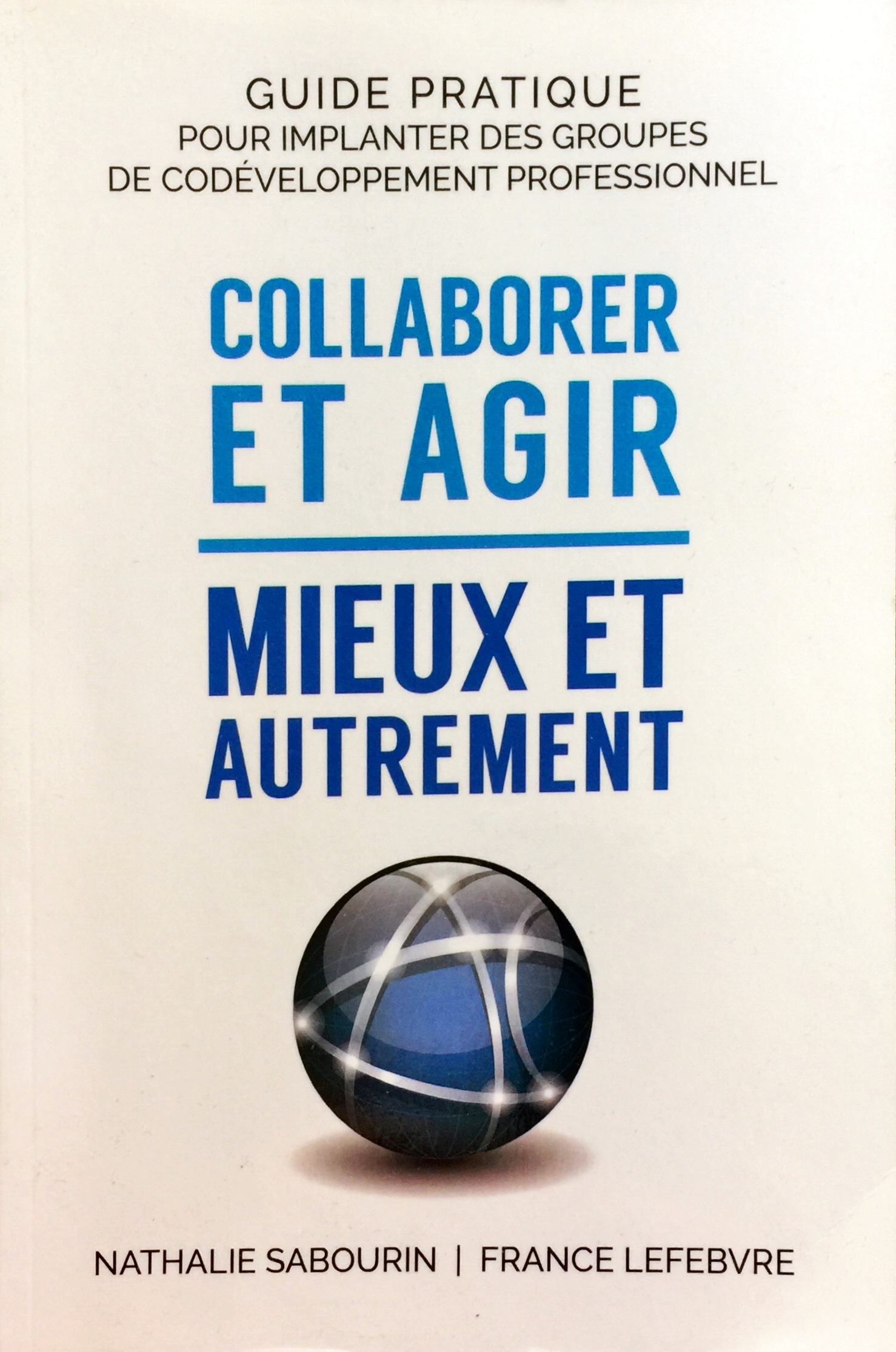
So I was exposed to a different format call, “Professional Co-development”. Developed in the 1990s by Adrien Payette and Claude Champagne from Montréal, Québec. It seems to be taking more and more places. The approach was to valorize experience and use the multiplying strength of a small group. I don’t plan to fully explain the extent of this training approach here. But here are a few key parts. How is the group form?A small group of people is formed, less than 8 is suggested, with an animator/facilitator. They will have meetings at a regular frequency, once or twice a month or other agree on frequency. The meeting duration is a few hours, long enough to have a complete discussion on the subject chosen by the “client”, typically 3–4 hours. Those meetings need to place each participant as the “client” at one time, so it could take close to a year. All is governed by some rules. The first is trust, so that can influence the group creation. The content of the meeting needs to be confidential. Participants need to be willing to share an experience. So, the group can be formed by Project Manager involved in different projects. It could also be a mix of various managing people in a single project. How is it done?In turn, each participant takes the demanding role (client) explaining what it is they want to improve/solve for the meeting. The other members of the group would then act as “consultants” to help solve the problem presented or in improving the aspect of the practice that was identified by the “Client”. Not to forget, there is a facilitator to ensure positive group dynamics. The meeting agenda is composed of 7 steps clearly defined. That is the role and responsibility of the facilitator, to follow the steps and respect the time-space. Benefits?Like any other form of training, there are multiple. Some that I found the most interesting are the team building, for the organization. Learn how to better ask questions and listen to the answer. Since the problems presented are real, the solution finding principle is very valuable. That simple?No, not really, many books were written first by the coauthor of the approach and then a few others. It is a well-organized type of training that includes many rules and steps all well documented. That was just to get you exposed to this training concept, “Professional Co-development”. This is far from a complete explanation. Hope you discover the basis of this innovating approach to learning. |
Coaching with positive feedback! WRONG
| In a recent article, I have seen that on the contrary. We might be pushing our ways instead of encouraging the individual to develop a personalized way. Communication is one of the keys to project success. We give feedback to our team members or peer. It is often said to give constructive feedback. A recent study from Marcus Buckingham and Ashley Goodall published by HBR (Harvard Business Review) question the bias we put into it and the efficiency in the improvement of people skills. Have a look at the article The “Feedback Fallacy”. What have you learned? Do you plan to change the way you help your team grow?
See - https://hbr.org/2019/03/the-feedback-fallacy
|
Did you , consider other risk like new technologies
Categories:
Transparency
Categories: Transparency
| Always interested in new technologies, I'm also interested in an evaluation of risk. In this case, it might not have a direct relation to project management. Personally, I find that we tend to not evaluate risk from a supplier or other parties involve in our project. In this case, Cryptocurrency is involved or the organization governance. What is the risk of doing business with the corporation xyz? Do you really evaluate it? Look at this article "QuadrigaCX: How To Lose $140 Million In An Instant" What would append to your project if it depended in an organization that seems to have just one key resource? |
The Power of Connection with Vikas Narula
| This is a conference I have much enjoyed last year. Vikas Narula - The Power of Connection - Bridging the Divide Talk about the difference between corporate hierarchy organigram and organization real communication network. With an excellent way to present those network. Hope some of you will find this presentation inspiring. What is your preferred point in the presentation? |
Henry Mintzberg - Free minded speaker in an intimate conversation
Categories:
Agile,
Case study,
Success factors,
Motivation,
Decision,
Risk Management,
Leadership,
Sustainability,
Governance
Categories: Agile, Case study, Success factors, Motivation, Decision, Risk Management, Leadership, Sustainability, Governance
| A nice interview I finally get to listen to "Henry Mintzberg - Listening to his current views on management, rebalancing society and Agility". That was one of the keynote speakers at last year Agile Tour Montreal. You might know Henry Mintzberg for is contributions on management, organizational configurations, or coordination with tasks. I found many interesting perspectives in this interview conference. Some about the balance between government and the private sector. |


