Az előző esztendőhöz képest 2019-ben új helyszínen és napirenddel jelentkezett a PMI Budapest elnöksége. 2019. április 15-én, az IT Services Hungary Kft. konferencia termében tartotta éves rendes közgyűlését a PMI Budapest, Magyar Tagozat. Az eseményt Dr. Kertész Máté, PMP a közgyűlés levezető elnöke nyitotta meg, aki az ügyrendi megállapításokkal kezdte mondandóját.


By Anoop Menon, Thomson Reuters Projects News

Project Health Check / Project Audit
1%, 500, 500 Club, AOP2019, AOP2021, AOP2022, CAPM, coaching, DiplOMA, ÉV PM, Év PM-je, HOA, Hungarian Chapter, interview, Kérdoív, Kéroiv, Lunch and Learn, PM Forum, PM Talent Gap, PMBOK, PMI Budapest, PMI Chapter Award, pmi.hu, PMIef, pmilim, PMO Trendek, PMP, PMPUB, PMPub, Projektalapú tanulás, Speaker, spotlight, Susanne Madsen, Webinar


|
Ezt követően az egybegyűltek megválasztottak a közgyűlés jegyzőkönyvvezetőjét, és a hitelesítőket is. Külön bemutatták a Választási Jelölő Bizottságot is, melynek elnöke 2019-ben Czibók Zoltán, PMP a DXC Hungary Kft. ügyvezető igazgatója volt, illetve tagjai Dr. Kertész Máté, PMP a 2018-as esztendő „Év Projektmenedzsere” cím nyertese, valamint Kovács Ádám, PMP, aki 2012 és 2018 között az egyesület Alelnöke, majd Titkára volt.
A 2019-es közgyűlést Kremmer László, PMP a PMI Budapest, Magyar Tagozat egyesület elnöke nyitotta meg, aki beszámolt arról, hogy egy nagyon sok feladatot hozó, minden tekintetben sikeres szakmai évet zárt az egyesület 2018-ban. Egyik legnagyobb eredményként értékelhető, hogy 2018.01.01-én 160 tagja volt a PMI Budapestnek, ami mára szinte megduplázódott és több, mint 300 tagja van az egyesületnek. Az elnök beszámolójában külön köszönetet mondott a több, mint félszáz önkéntesnek, akik vagy az egyesület elnökségében, vagy tanácsadó és segítő testületeiben foglalnak helyet, illetve 2018-ban az AGILIS Gyakorlati Útmutató szakmai lektorálásában segítettek.
Az elnöki megnyitót követően a „2018. évi egyszerűsített éves beszámoló mérlege” került bemutatásra, majd a „Számvizsgáló Bizottság jelentés”-ét hallgathatták meg az egybegyűltek. Ezt követően az „Elnökség beszámolója” került napirendre, amikor is az egyes alelnökök bemutatták, hogy a különböző területeken milyen szakmai eredményeket ért el a PMI Budapest, Magyar Tagozat 2018-ban. Ezt követően a „2018. évi Közhasznúsági Jelentés elfogadása”, majd a az „Alapszabály módosítás elfogadása” volt soron. Az eseményt a vezető tisztségviselők megválasztása azaz a „Tisztújítás” zárta.
A Közgyűlés az alábbi vezető tisztségviselőket választotta meg a 2019-2020-as ciklusra:
A PMI Budapest, Magyar Tagozat (PMI Budapest) 2018. évben gazdálkodásáról a számviteli törvénynek és a kapcsolódó előírásoknak megfelelve egyszerűsített éves beszámolót állított össze. A mérleg főösszege 12 486 ezer Ft, a saját tőke 12 128 ezer Ft. A részletes kimutatás a kettős könyvvitelt vezető egyéb szervezet egyszerűsített beszámolója és a közhasznúsági mellékletekből áll.
A PMI Budapest, Magyar Tagozat 2018. évben részesült Központi költségvetési támogatásban a NEA pályázat keretében 3 106 ezer Ft támogatást kapott és használt fel.
A PMI Budapest, Magyar Tagozat eredménye 2017-ban 383 ezer Ft volt, 2018-ban -42 ezer Ft volt. A vagyon az előző évek tartalékjaival összesen 12 486 ezer Ft. A Szervezet mindig törekszik arra, hogy az adott évben kapott bevételeket fel is használja közhasznú céljainak elérése érdekében. Ahhoz, hogy a szervezet életében újabb minőségi változást érjünk el, illetve a működés biztonságát garantáljuk, szükséges volt e tevékenységek forrásának biztosítása. A vagyon felhasználását részleteiben jelentésünk az egyéb szervezet egyszerűsített éves beszámoló tartalmazza.
Szervezetünk nem nyújtott ilyen juttatást, így e soron továbbra sem történtek kifizetések.
A PMI Budapest, Magyar Tagozat 2018. évben részesült Központi költségvetési támogatásban a NEA pályázat keretében 3 106 ezer Ft támogatást kapott.
A PMI Budapest, Magyar Tagozat 2018. évben nem nyújtott sem pénzbeli, sem természetbeni támogatást vezető tisztségviselőinek.
A PMI Budapest, Magyar Tagozat a hazai projektmenedzsment szakma meghatározó szakmai szervezete 2003 óta. Az elmúlt másfélévtizedben elhivatottan arra törekedtünk, hogy a lehető legnagyobb szakmai támogatást nyújthassuk nem csak az egyesületünk tagjainak, hanem a magyarországi projektmenedzsment szakma összes képviselőjének és hatékonyan együttműködjünk a hazai szakmai társ-szervezetekkel.
Missziónk: A PMI Budapest, Magyar Tagozat célja, hogy Magyarország meghatározó projektmenedzsment szakmai szervezete legyen, mely a PMI globális hálózat részeként aktív szakmai közösséggel rendelkezik. Víziónk: Az egyén fejlődése érdekében, önkéntes projektmenedzsment szakmai közösséget építünk, a fél évszázados múlttal rendelkező PMI globális szervezet részeként, gyakorlatban kipróbált tudásbázisra és minősítési rendszerre alapozva. A PMI alapértékeket valljuk magunkénak: A projektmenedzsment szakma hatása: Szakmai meggyőződésünk, hogy a projektmenedzsment olyan kritikus szakkompetencia, amely pozitívan befolyásolja egy szervezet eredményeit és a társadalmat. Hiszünk a professzionalizmusban: Az elszámoltathatóság és az etikus magatartás biztosítja a PMI érdekeltjei iránti elkötelezettségünket. Az önkéntesség a működésünk alapja: Az önkéntesek és a hatékony önkéntes partnerség a legjobb módja az egyesület céljainak és célkitűzéseinek eléréséhez. A közösség ereje az összetartó erőnk: A globális projektmenedzsment közösség tagjainak bevonása a legjobb módszer a projektmenedzsment szakma előmozdítására és növekedésük elősegítésére. A szakmai elköteleződés a sikerünk záloga: Különféle nézőpontok ösztönzése és az egyének hozzájárulása a projektmenedzsment szakmához és a PMI céljaihoz. 2003 óta célunk változatlan: a lehető legmagasabb színvonalú szolgáltatásokat, tartalmakat, termékeket, rendezvényeket létrehozni a magyarországi projektmenedzsment szakma képviselői, így a gyakorló projekt; program és portfóliómenedzserek és a szakma iránt érdeklődők számára. A PMI Budapest, Magyar Tagozat elnöksége a kezdetekkor azt tűzte ki célnak, hogy mindenben pluszt adhasson a hazai projektmenedzsereknek, valami olyat, ami egyszerre ötvözi saját hazai hagyományainkat a nemzetközi eredményekkel. A PMI Budapest, Magyar Tagozat közhasznú tevékenységégének főbb eredményei 2018-ban az alábbiak voltak:
A közhasznú tevékenység főbb területei:
A Kormányzati Operatív Programok sikerének alapvető eleme a megfelelő ismeretekkel rendelkező, felkészült projekt szereplők megléte mind a különböző államigazgatási mind közreműködő szervezetek oldalán, ezért a 2014-2020-as időszakra a kompetencia nagy volumenű fejlesztését tervezik. Ehhez közhasznú civil programjaival a PMI Budapest is hozzájárul közhasznú és az alapszabályban meghatározott célok és feladatok megvalósításával:
Üdvözlettel, |
| In conversation with Murat Bicak, Senior VP of Strategy at Project Management Institute (PMI), who discusses the role of technology in transforming the future of work and much more.
By Anoop Menon, Thomson Reuters Projects News As businesses embrace digitalisation as a future-proofing strategy, the interactions between projects, organisations and individuals are being transformed, according to Murat Bicak, Senior VP of Strategy at Project Management Institute (PMI), the world's largest professional association representing project management practitioners. Digitalisation involves the deployment of technologies like Artificial Intelligence (AI), machine-learning, Big Data and Internet of Things (IoT) to improve or transform business operations and functions. While the core proposition of project management - which is about getting things done - remains unchanged, what is transforming is "how the pace of change impacts projects, organisations and individuals and how these systems start interacting with each other," said Bicak in an interview with Thomson Reuters. He pointed to the decrease in the "survival rates of organisations" over the past few years as an indicator of the impact of digital disruption on businesses. "In the '50s and '60s, S&P 500 organisations had a 60-year survival rate. Over the next five to six years, we expect that survival rate to go down to the teens, may be 12, 13 or 14 years and that puts a lot of pressure on every organisation," the PMI executive said on the sidelines of Dubai International Project Management Forum (DIPMF) in December 2018. He reasoned that survival rates have dropped because "a lot of organisations are going through some sort of change," and while "every change is delivered through a project, some organisations are unable to focus on the right attributes." Paraphrasing a quote by the ex-CEO of Twitter, Dick Costolo, who spoke at a PMI event last year, he said many organisations focus on protecting their past but what they really need to do is focus on protecting their future. "I think that's a very profound observation because when we look at organisations such as Netflix or Amazon, we see that even during the course of their more than 25 years of existence, these companies are reinventing themselves," he noted. He added that to keep pace with such changes, project managers need to think differently about the questions they need to ask, how fast they should deliver and how machine and algorithms would complement their teams. "We used to emphasise social skills because project management is about how you manage between the technical skills, the leadership skills and the strategy. Now we have put a fourth layer on top because digital skills are equally important if not more important. What that means is - how do I interact with a new member, or may be new members of my team which are machines and algorithms." He said the success story of US-based Stitch Fix, an online personal styling service for clothing founded in 2011, could be a good example of how projects will change in the future. The company, currently valued at $2 billion, was built on a premise that "everybody in the world could have their own designer." "They did that by pairing AI with human stylists to understand people's clothing choices. With close to 100 data scientists, more than 100 algorithms that are constantly learning and insights, they can actually design clothing that no retailer can do," he said. Bicak then painted a scenario where every project would have humans at the centre, machines and teams around them and many ecosystem players. He continued: "Decisions would be made very quickly based on interpreting data, understanding data, asking lots of questions, building hypothesis, killing hypothesis and pivoting, and that changes the whole way of value delivery." Future of work Commenting on impact of such changes on project management, Bicak said it is inevitable that some tasks would be automated over a period of time. He referred to an October 2017 PMI podcast with Michael Chui, Partner, McKinsey Global Institute (MGI), who said that half of all the activities people are being paid to do in the global workforce could be automated by adapting currently demonstrated technologies. "That doesn't mean that 50 percent of jobs are going away but that 50 percent of tasks can be automated," said Bicak. Another study by MGI on the future of work, published in December 2017, found that that between 75 million and 375 million people around the world may need to change occupational categories and acquire new skills by the year 2030. On the other hand, the outsourcing of certain tasks to machines or algorithms would also "create a lot of time" for project managers to focus on the problems they need to solve, said the PMI official. He said: "We're then going to find ourselves more in the role of understanding, asking questions, generating insights and leading. Critical thinking, creativity and innovativeness are going to become much more important going forward and I think we're going to have to retrain our workforce to reclaim that capability." But he also struck a note of caution on current hype around AI systems, pointing out that the technology is still at a nascent stage. He said: "While AI has taken off in recent years due to the coming together of algorithm technology, super-computing capability and availability of data, in 2018, we learned that if our data is biased, the output will be biased. We have learned that a lot of the data that has been used for a number of algorithms are actually biased from a racial perspective due to which they will make decisions that will be wrong or biased." A February 2018 press statement from MIT, citing a joint MIT- Stanford University study, said gender and skin-type bias were found in commercial facial-analysis programs with error rates as high as 34 percent in determining the gender of dark-skinned women. "Because of what has happened, researchers understood the immensity of this problem. We need to think about aspects like legislation, governance and ethical coding. Thus, for example, last year, Stanford University launched Human-Centred AI Initiative (HAI) to bring together academia, industry, and governments to guide the future development of AI." Virtuous savings cycle The savings from digitalisation can be reclaimed and reinvested to drive further savings in projects akin to a virtuous cycle, noted Bicak. The 2018 edition of PMI's annual Pulse of the Profession survey had found that nearly 10 percent of every dollar is wasted due to poor project performance, which translates to $99 million for every $1 billion invested. He explained: "Now we're not only going to not waste that 10 percent but we're going to be able to take that and put it back into the system, and do that several times so that it's not just 10 cents on the dollar that will be saved. It's going to create ROI that will be put back into the system. We don't know that yet but we believe that it will be significant." He also pointed out that a key mandate for the strategy function that he helms at PMI is to prepare the non-profit association for the "immensity of change in the future of work" through a transformation programme. "The question we are asking is: what does the digital technology represent for the profession and what will it enable us to do that we weren't able to do before? Our transformation is about finding that answer," he said. Under the transformation programme, he continued, PMI decided to change posture and invest in innovation and in data capabilities to better understand its stakeholders and their needs, and think even more forward in terms of post-agile conversations so that projects can be delivered better with less waste, more effectively, more efficiently and really reach the outcomes. "I think the premise of this programme is that it gives us an opportunity to really reinvent ourselves and do something that we have not done before that will advance humanity," he concluded. (Reporting by Anoop Menon; Editing by Mily Chakrabarty)
|
| PMI Budapest, Hungarian Chapter is pleased to announce that the next PMPub will take place on 22nd May 2019! The event’s topic is “PMI Pulse of Profession 2019 – The Future of Work – Leading the Way with PMTQ” Data from the new 2019 Pulse of the Profession® survey show organizations wasted almost 12 percent of their investment in project spend last year due to poor performance—a number that’s barely budged over the past five years. It’s time to add a new ingredient to that old formula, especially given the fundamental shift in how work is getting done. Few jobs of the future will revolve around a bulleted list of static responsibilities. More and more, people in all roles will be hired to manage a portfolio of projects, and increasingly, those projects will be tied to technology. TQ, or technology quotient, is a person’s ability to adapt, manage and integrate technology based on the needs of the organization or the project at hand. Though the term has been used for a few years, it’s taking on a new urgency as people and companies search for digital sustainability—the capacity to adapt to the constant whirl of change brought on by advances in technology. Coupled with the changing nature of work from “job for life” to “portfolio of projects,” we see an even greater demand for TQ combined with project management, or PMTQ. For anyone charged with making strategy reality in a world constantly being remodeled by tech, PMTQ will be the must-have, make-or-break skill set. Conducted since 2006, PMI’s Pulse of the Profession® is the premiere global survey of professionals who provide project, program, or portfolio management services within global organizations. The Pulse charts the major trends for project management now and in the future. It features original market research that reports feedback and insights from project, program, and portfolio managers, along with an analysis of third-party data. Our speaker is László Kremmer, PMP who is the President of PMI Budapest, Hungarian Chapter. László shares the major statements of this survey such as the top drivers of projects success, new ways to execute a project, and how to answer the changes and deliver results.
We are looking forward to an engaging and collaborative session. Come and take part in the PMPub! You can register here! |
|
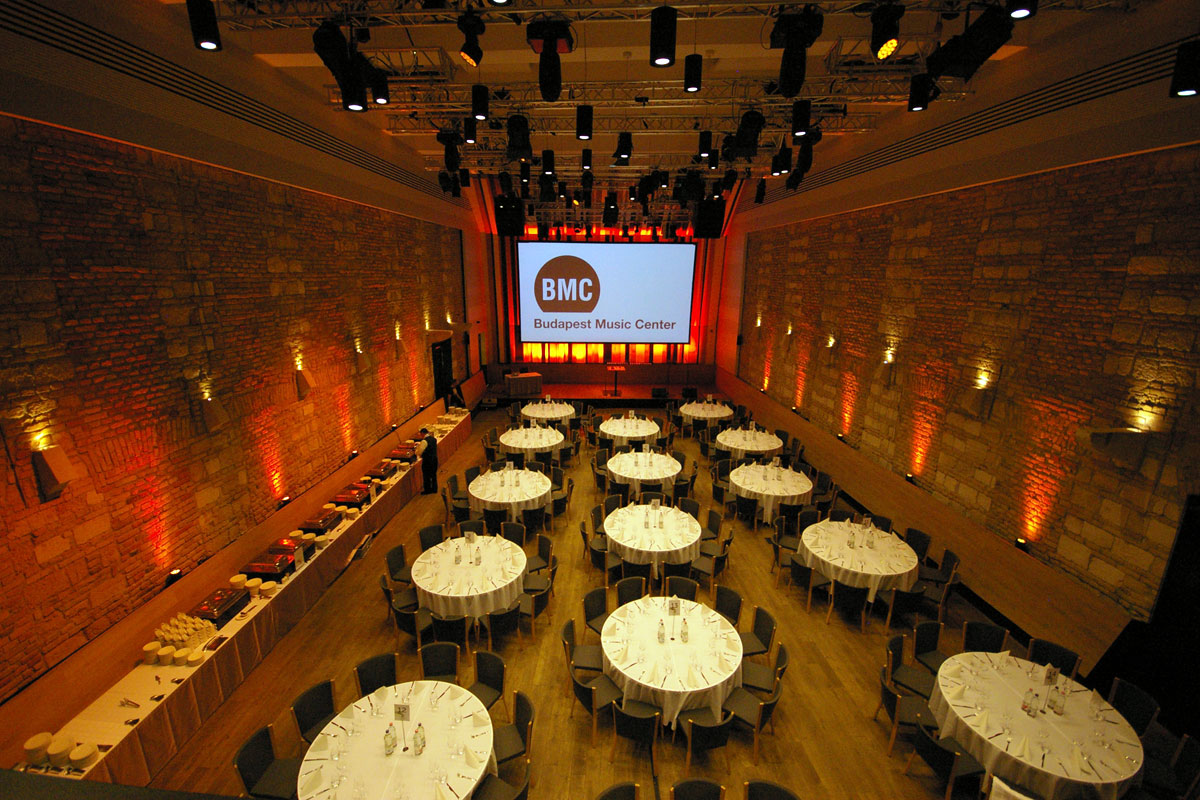
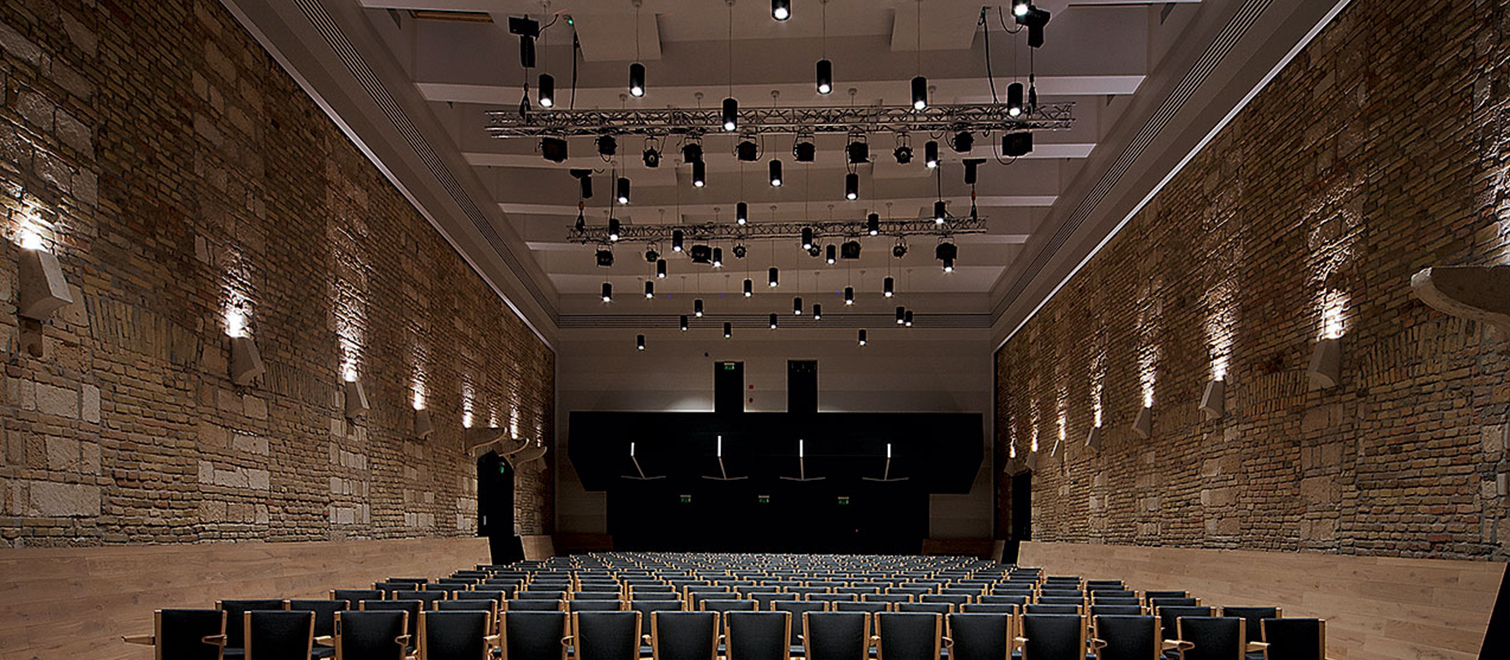
TECHNOLOGY MADE POSSIBLE BY A PROJECT MANAGER Looking for insights and inspiration? Join PMI Budapest, Hungarian Chapter's “7th Art of Projects Conference 2019” on 7 November, 2019. in the Budapest Music Centre’s Conference Hall. For 50 years, project and program management professionals have made modern marvels possible. PMI Budapest, Hungarian Chapter’s “7th Art of Projects Conference 2019” will teach you the concepts, skills and behaviors to help shape the next 50. And thanks to our exciting new partnership with our excellent speakers, you’ll feel even more inspired to do it.
In this unique and uplifting session, Jim is going to talk about “Reflections on the History of Project Management and the Project Management Institute”. We will celebrate the bold and the daring, the entrepreneurs who make the impossible possible and the deep thinkers who conjure new possibilities. To understand the project management professional of 2019 and beyond, requires an understanding of how we have matured and changed from the project schedulers and planners of the 1960's. Where did we come from and how did PMI play a role in building a new profession? A look back at the people, places, and environment will not only tell us about our history but will help us to understand where project management may be headed and how you can influence that direction. This keynote presentation aims to put you back in the 1960's, to help you understand the motivation for the founding of PMI and to give you a look at the time and people. With this bit of history as a backdrop, we will then take a look at what the future may hold for the project management profession and PMI. Other talks will close a full day of learning applicable skills, hearing best practices and networking with your peers from around the world. The result? You’ll leave with the methods and the motivation to move to the next stage of your career – and make more modern marvels possible.
What is PMI Budapest, Hungarian Chapter’s “7th Art of Projects Conference 2019”?
As a project, program and portfolio management professional, you have the potential to make modern marvels possible. But in today’s demanding, ever-evolving world, you need the latest knowledge and skills to realize that potential. PMI Budapest, Hungarian Chapter’s “7th Art of Projects Conference 2019” can help. Each year, it brings together hundreds of project, program and portfolio managers from around Hungary and Europe for a full day of cutting-edge education, knowledge-sharing and networking. In 2019, attendees will experience something completely new and unique: a special Keynote Session by the founder of PMI, Mr. James Snyder, celebrating the achievements of professionals in a constantly disrupted world. Whether it’s tackling some of the world's biggest challenges, or inventing ways to help us connect and collaborate, our speakers’ stories will inspire you to reach higher in your own career. If you want, you can build on that enthusiasm (and deepen your knowledge on a specific topic) by attending a half-day course PMI Budapest, Hungarian Chapter “Master Class” in Budapest on 8 November, 2019. (Separate registration fees apply).
Why should you attend? Join us in Budapest and you’ll:
So, you get a lot of value from a single ticket.
When and where is it? 7-8 November, 2019.
Venue: BUDAPEST MUSIC CENTER More information will be available here soon: www.pmibudapestevents.hu |
| We’re moving to Pearson VUE to provide a better overall exam experience. All certification examinations worldwide (except China) will be run through Pearson VUE to provide:
What do you need to do? You can continue directing candidates through the existing application process with no changes. Candidates will be guided to one of the test vendors based on the timeframe they plan to test. If you provide details around the scheduling or testing process at Prometric in your materials then you will need to update them. Transition Timeline There will be a period of overlap where scheduling and testing will be available with both Prometric and Pearson VUE. Most candidates who have already scheduled their exams will be unaffected by this change. Important Dates
Next Steps for Candidates Who Already Scheduled through Prometric Candidates who have already scheduled a test with Prometric on or before 30 June 2019 can keep that appointment and test as planned, regardless of the certification exam. For those candidates who have already scheduled with Prometric on or after 1 July 2019, we will work with Prometric and Pearson VUE to have their test appointment moved to Pearson VUE. Next Steps for Candidates Who Have Not Scheduled Candidates who have not yet scheduled their exams have two options:
Next Steps for Paper-based Testing (PBT) We will work with Pearson VUE to transition any candidates that are scheduled for a PBT exam on or after 1 July 2019 to Pearson VUE test center location. |
|
"This planet has - or rather had - a problem, which was this: most of the people living on it were unhappy for pretty much of the time. Many solutions were suggested for this problem, but most of these were largely concerned with the movements of small green pieces of paper, which is odd because on the whole it wasn't the small green pieces of paper that were unhappy." - Douglas Adams |
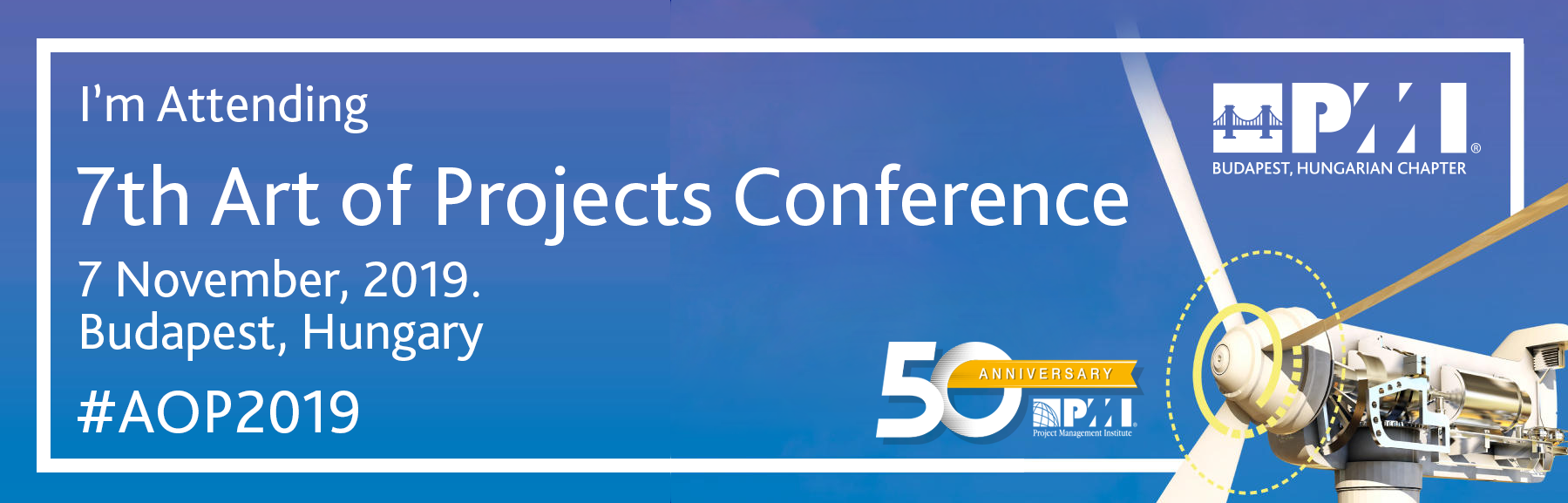
 This year’s event features PMI Budapest, Hungarian Chapter’s first ever Keynote Session delivered by James Snyder the founder of PMI – Project Management Institute to inspire and inform project management professionals.