


Categories: Agile, Collaboration, Communications Management, Digital, Disruption, Diversity, Innovation, Leadership, Project Management
“A virtual team working together as one >> side by side separated by waters bought together by technology.” Virtual Team Intelligence
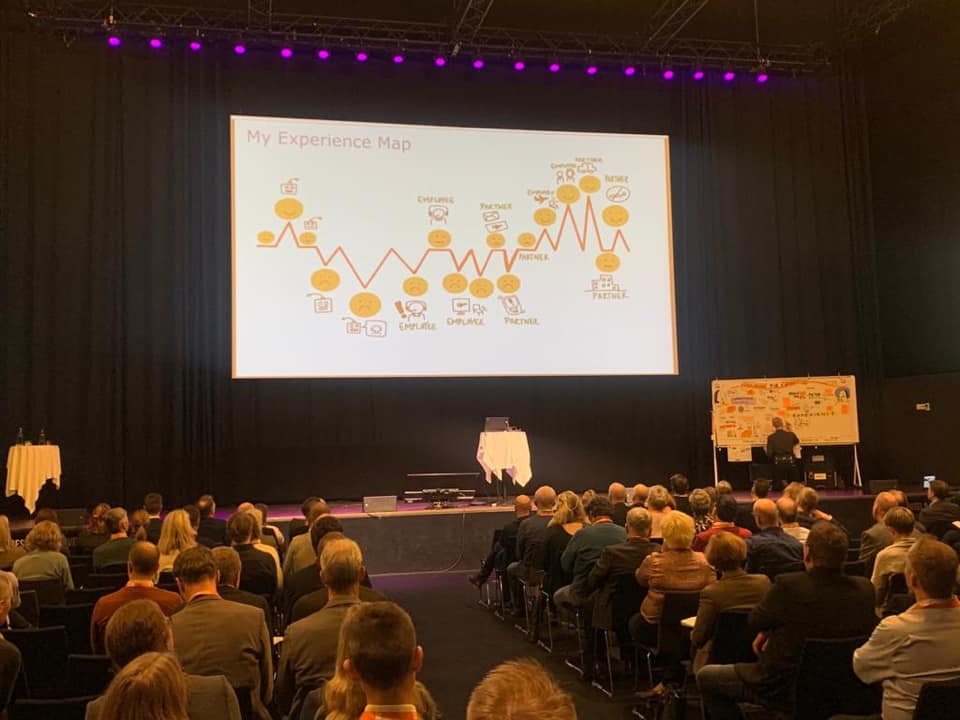
Imagine you are 7,847 km away at home, presenting your first keynote presentation. Exciting isn’t it? More exciting when you see the audience 400 + eagerly waiting to listen to you. Even more exciting when you know you have a dedicated team of volunteers supporting you for this.
Yes, you guessed it right, we are referring to a virtual conference presentation. With the outbreak of the corona virus, I could not be present in-person for the PMI Sweden’s “Passion for Projects” #passionForProjects conference, but never the less the team behind the scene did ensure that the presentation went on smooth and sound. This is an exemplary example of the power of virtual collaboration.
According to research in late 2019
Companies allowing remote work have 25% lower employee turnover those that don’t.
People who work remotely at least once a month are 24% more likely to be happy and productive.
By 2028, 73% of all departments will have remote workers.
Does this mean that in the future of work #futureofWork virtual collaboration will be on the rise?
Will it become a critical aspect of #futureofPMWork ? Let us see why
Collective Intelligence: To encourage Diversity of thoughts, build innovative products and improve agility to proactively transition to the future, collective intelligence would take the center stage. Teams would swarm to brainstorm, collaborate and innovate, and once done they would move on.
Distributed teams: With the rise of the gigs teams would become more and more distributed. Teams would extend beyond the 4 walls of the organization, across multiple locations, geographies and continents.
Connected projects: As projects become more and more connected exchanging information in the ecosystem, our teams would not be confined to one organization, but extended across our customers, co-players, partners and suppliers.
I have been working with virtual teams for many years now, in fact I lead the Agile Community of Practice within my organization which is a 100% virtual collaboration platform spanning across 40 countries with 546 members. It has been 5 years now. So what worked for me all these years?
Team working agreements: When teams work separately, it is easy for teams to get disconnected especially if they are in different time zones. Shared team working agreements like communication protocols, regular meeting rhythms and virtual coffee time connects have been instrumental in improving team cohesion.
Frequent communication: When team do not interact face to face, there is a risk of losing touch. This can lead to missing out on critical information like unexpected emergencies, time demand and priorities. Frequent communication, avoiding lengthy silences are key to removing these impediments. I have leveraged social media, instant messaging, whatsapp, Skype video calls for frequent communication.
Playing games: To keep the engagement on, I have leveraged online virtual, team contests and games. These games encourage members to do what’s best for the team. Leaders emerge and sometimes leaders step down for the greater good of the team. This helps to encourage an atmosphere of collaboration to work towards a team goal.
How do you think the #futureofPMWork looks like in terms of virtual collaboration?
Do you have any other tips to improve virtual collaborations in the #futureofPMWork? I would love to know.

 Community Champion







