


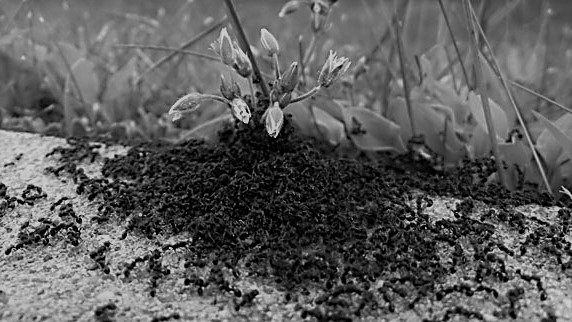
 HBR published an article this week on how leaders can help their teams to recover quicker from disruptions. Given the events of the past year, this topic is apropos and is likely to remain so for the foreseeable future.
In the article, the author introduces the concept of collective self-healing at the team level drawing upon observations of how ant and other social insect colonies respond to major upheavals. She identifies three characteristics which enable teams to become more resilient:
- The ability for a task to be completed by more than one person on the team even if that activity is not within their normal responsibilities. A team of generalizing specialists would satisfy this requirement, but even a team of specialists can behave in this manner if there is support for them to take on different responsibilities when the situation demands it and if they are willing and have confidence in their ability to learn new skills.
- The ability to operate efficiently with distributed leadership. Who leads depends on the needs of the moment and when the context has changed such that someone else on the team is better equipped to lead, that person steps in. This is a characteristic of mature teams where the lead role is not associated with only one member of the team.
- Sufficient self-awareness to know when they need assistance and the humility to seek that help in a timely manner without letting the fear of loss of social capital get in the way. Not only does this allay the fears of stakeholders that the team is hiding the true status of a situation but it also reduces the likelihood of major impacts which can occur if a problem is allowed to fester.
The author closes with three questions which leadership teams should ask themselves to determine whether they have the right system in place (e.g. values, policies & processes, roles and measures) to support the realization of these team attributes.
But one prerequisite which is not specifically referenced in the article is psychological safety.
When team members don’t feel safe, they will prioritize their own safety over that of the team. They will be less willing to take on unfamiliar responsibilities due to the fear of blowback if they fail. Even if they are the best person to lead the team in a given situation they will be less likely to do so for the same reasons or because they are worried about how others in the team will perceive or treat them. And they will avoid asking for help in a proactive manner since they won’t want to appear vulnerable within the team.
Just as it is for creating high-performing teams, psychological safety is an underpinning for creating resilient teams which are able to handle the vicissitudes of delivering during turbulent times. So the number one question which leaders should be asking themselves is “Have we cultivated sufficient safety within our teams?“


 Community Champion


