


 Secondary risks are those which arise based on the implementation of a response to an identified risk. Similar to other risks, secondary risks can fall into known-unknown and unknown-unknown categories. I’ve never liked the term “secondary risk” as it creates the perception that these are not as important as “primary” ones and this is not the case. A more accurate term might be “response-generated risks” or “effect risks”.
Semantics aside, a day ago I learned a cold lesson about secondary risks.
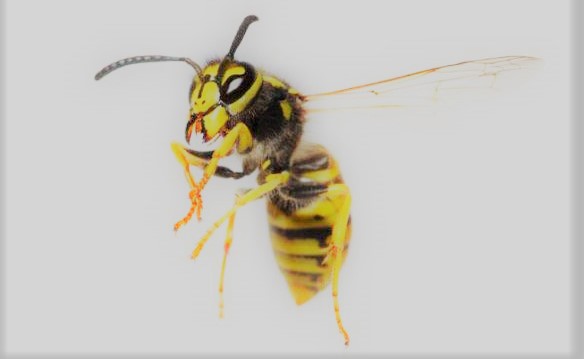
As readers of my recent articles will know, we recently moved into a new house. Let me clarify that the house itself is not new – it is about 35 years old. When we took possession of the house, I did a quick walkaround the exterior and noticed that there were quite a few wasps that were entering and departing a crack in the grout between two bricks near our air conditioner. Having had a painful experience with a wasp last year, I considered the impact of the risk of getting stung by a wasp outside of my house to be quite high although the probability was low so long as I didn’t bother them.
To respond to the risk, I went to the nearby hardware store and got a can of wasp spray. I sprayed it in the crack and then sealed the crack with some masonry repair caulking.
This response created the first secondary risk which was quickly realized. While new visiting wasps were unable to enter the house, the ones which had entered were now trapped inside and over the course of the next couple of days found ways into our basement living space.
By responding to the first risk, I had created my first secondary risk of getting stung by a wasp inside of the house. The impact was still high but the probability had now increased to high given the increased likelihood of accidental interactions while being in the basement.
As I expected there would only be a few wasps that had got trapped in the house, I chose to respond to the new risk in a similar fashion to the first. I sprayed the inside basement area near the entry point liberally and was happy to see that the response appeared to be effective in eliminating the unwanted guests.
Unfortunately, this response to the first secondary risk resulted in the creation of a second one.
When I woke up the next morning and washed my face I noticed the water was lukewarm. I confirmed that hot water was unavailable from a second faucet in the house and proceeded down to the basement to inspect the hot water heater. After reviewing its user guide, I confirmed that it had shut down as a sensor had detected the presence of flammable gases in the vicinity. As you can guess, the water heater was close to the entry point of the wasps.
While my wife was not pleased that she’d have to take a lukewarm shower, thankfully our water heater is a rental unit and so the technician visit to replace the sensor and start up the heater was no charge.
So the next time you choose to respond to a risk without sufficiently analyzing the consequences of that response, you might end up in cold water!


 Community Champion


