


How Will You Become a Better Project Leader in 2021?


|
by Dave Wakeman, PMP I’ve worked on political campaigns, in sports, in theater, in ticketing, in marketing and a lot more. I like to consider myself a good example of all the ways a Project Management Professional (PMP®) certification can be helpful in industries of all sorts. Over the last month or so, I did some research to figure out how I could grow my skills in 2021. While the focus of my research directly related to my work as a marketer, the data still has some utility for project managers. First, the details. In looking to see what CEOs thought of their marketing departments, I found that in a survey of over 500 mid-to-large businesses, 80 percent of CEOs didn’t trust their marketing departments. That was stunning and I went to look to see what I could make out of it by checking out the marketing and strategy folks to see where their heads were. In a sample of just over 1,100 marketers, 73 percent were looking to grow their businesses in 2021, 40 percent don’t have a strategy and 53 percent who want to grow don’t know where to start. I’m sure you’re wondering where I’m going with this. Project managers should pay attention to these numbers for a few reasons. First, in our roles, we have to win the support of our sponsors. I don’t know if the number of sponsors who are uncertain about what their project leaders are doing is similar to my research findings, but the bigger question is: Are we making certain that we have the trust of our sponsors? The second point here is that we need to know what we want to achieve—and we need a plan to get there. That’s reflected in the marketing survey: Folks know they want to grow, but about 40 percent of them don’t have a plan to get started. As project professionals, this hits close to home, because if we aren’t careful, our plans get overrun by other activities. It’s our job to always keep our goals in mind as we move forward. Finally, if we don’t know where we’re heading or how to get somewhere, it’s totally fine to ask for help. In fact, doing our jobs well means we need to ask for help. For me, these discoveries led to brand articulation for the new year built around being a more focused, effective and profitable project manager. What are your biggest goals or areas of growth you’ve identified for 2021? |
How Are You and Your Teams Practicing Gratitude?
|
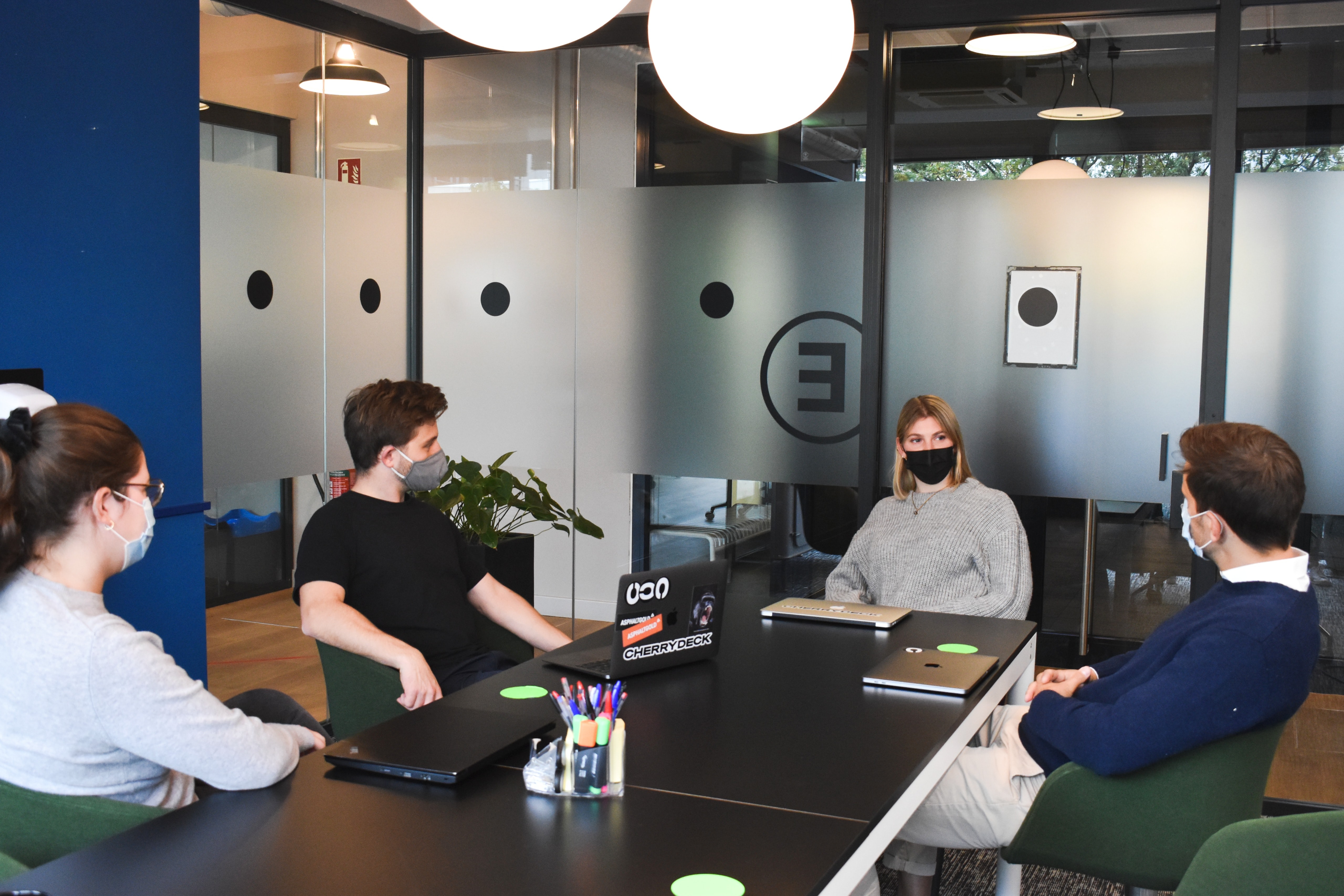
by Christian Bisson I’m always trying to find ways to help my project teams forge connections with one another. And one of the things I’m trying is to incorporate expressing gratitude. Along with helping teams bond, it can help improve team performance, too, especially with all the uncertainty of today’s workplace. An October 2020 poll by Monster, for example, found the overwhelming majority of workers believe that expressing gratitude at work helps ease stress and anxiety (97 percent) and receiving gratitude motivates their daily work (94 percent). Here are a couple ways you can get your project team to practice gratitude: Thank You Card RetrospectiveFirst, provide blank thank you cards and pens to your entire team. Then, allow several minutes for everyone to fill out a few cards, writing who they want to thank on the team, what action they’re thanking the person for and the positive impact it had on them. A variation on this would involve asking everyone to write at least one card to someone outside the team and delivering it to them after the activity. Note that it’s important for people to specify the exact action and impact that it had. This allows for meaningful gratitude to be shared, as opposed to generic answers like: “Thank you for your great work.” Kudos RetrospectiveStart by writing four titles over over “boxes” where people will be able to add notes. The titles might be something like:
Then, tell everyone to think about latest sprint and write notes that align with those four boxes. Once that’s is done, have everyone take turns presenting what they wrote. I’ve found this so effective that I now use it as part of all my retrospectives to close out on a positive note. Simple activities like these can help people share gratitude they would most likely keep to themselves. These exercises, as well as recognizing the great work of your team, helps the team grow together and strive to continue doing outstanding work. What activities have you used to practice gratitude among your team?
|

Are You Stifling Your Team’s Creativity?
|
by Yasmina Khelifi, PMI-ACP, PMI-PBA, PMP Having an innovative mindset isn’t as simple as having good ideas. It takes strong project leaders who create an empathic culture in which people can share their ideas and feel empowered to challenge the status quo. According to PMI research, 3 in 4 project professionals say their organization has sponsored or invested in innovative ideas brought forward by teams or individuals. Unfortunately, that doesn’t always happen. Here are three ways project leaders stifle the creativity of their teams—and why you should avoid them at all costs. 1. Sticking to the same old routine Teams should always be looking critically at how they’re navigating project challenges. Sure, some techniques and ideas stand the test of time, but the team should feel supported to bring fresh perspectives and experiences to the table. When I joined a new team many years ago, I ferreted out some process inefficiencies and some requirements that weren’t tracked properly and alerted the project managers. They had their reservations but remained open to my input. We delivered the projects successfully and the team as a whole gained valuable lessons. To keep you and your team receptive to new ideas and new ways of working, ask yourself:
2. Deprioritizing new ideas When I joined a team as a new volunteer, the team was encouraged to generate new ideas, but then leadership ignored them. This crushed team morale and held me back from making any proposals. Remember: A motivated project team is an effective project team. To keep the ideas flowing, take team suggestions, challenges and recommendations seriously and prioritize them as part of your project strategy. Ask yourself:
3. Failing to secure team buy-in A few years ago, my team wanted to consolidate different trips to Africa among multiple departments. I proposed that we use a shared digital spreadsheet to keep track of these trips, while a senior manager, instead, proposed a new tool not yet adopted by most team members. The goal was to push the new tool, but the team wasn’t open to it at that time. As a result, we had this shiny, new resource that cost money and that few knew how to use. Getting feedback and buy-in from the team is integral in creating meaningful change. Here are a few suggestions for securing that support:
The possibilities to spur positive change should not be squandered. Project professionals must kindle the spark of curiosity and embrace new perspectives, even if they’re disruptive. How do you keep your team inspired to remain creative and innovative? Share your comments below. |
A New Year, A New Kind of Leadership
Categories:
Leadership
Categories: Leadership
|
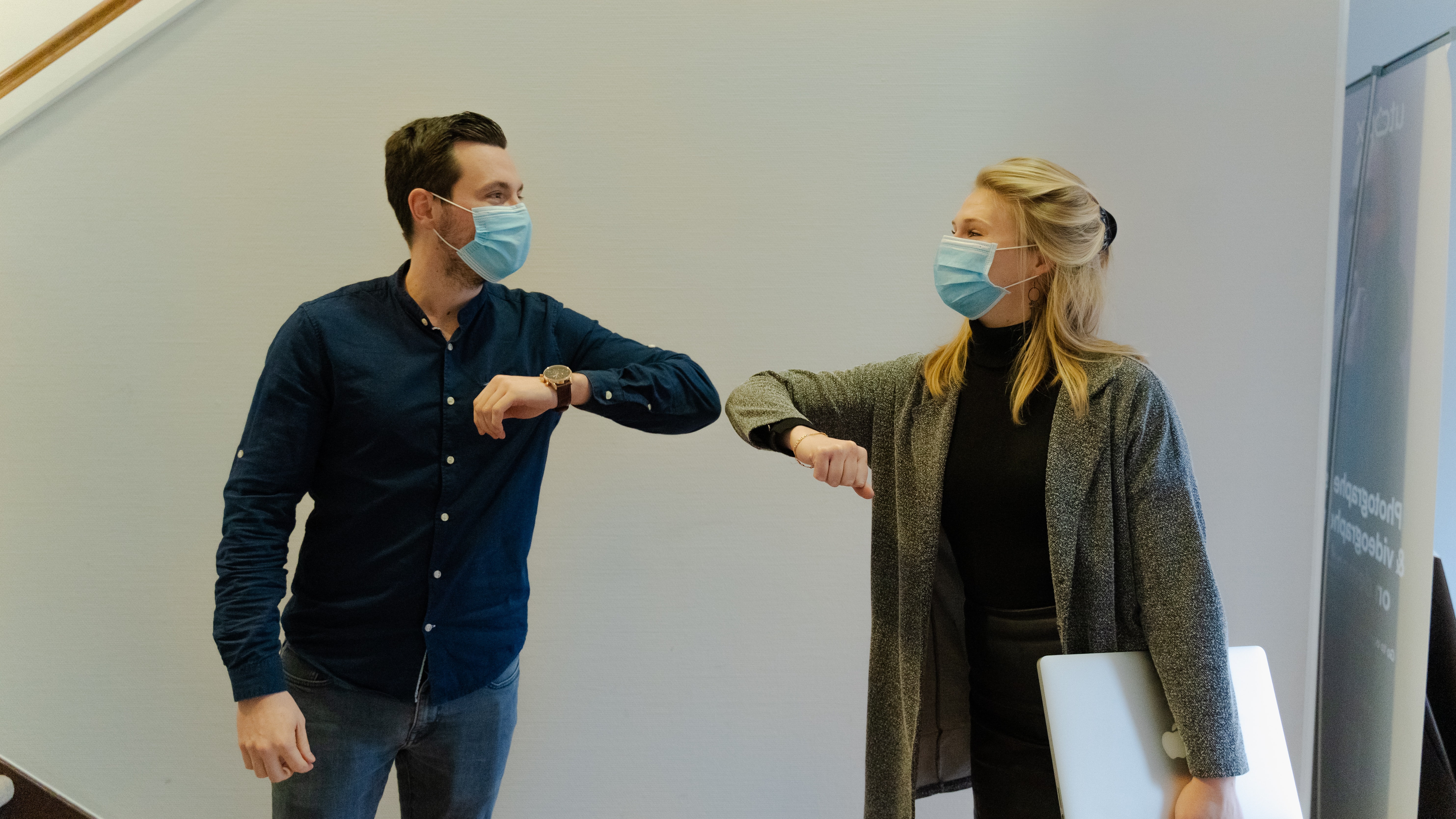
by Dave Wakeman Well, we’re about to turn the page on 2020. And while I’m hopeful that 2021 will be much less disruptive, I did want to share a few lessons I hope we take with us into the new year: Mental health deserves our attention: This year, I’ve heard more discussion than ever before about the need to monitor mental wellbeing and encourage people to put their mental health first. I get that the modern economy seems designed to wring every productive second out of us. So it takes a conscious effort to turn off and tune out. Only then can you recover and be able to push forward and work on new projects. Recharging doesn’t have to be a complex thing. One of the most powerful forms of rejuvenation I’ve heard from many people this year is mindfulness. Processes have power: We’ve seen a vaccine for the coronavirus come together faster than any effort like it before. What got us there? Science and processes. Both are help fueling innovation, progress and effectiveness. I don’t have to tell you in the project management community about the power of processes, but we should all be hopeful that the world at large understands how important processes are now. True leadership matters more than ever: We’ve see how bad leaders can cause a great deal of damage, especially when they aren’t forthcoming with information, lead with lies and disinformation, or just give up. But this year has also shown us how important good leadership is to teams, countries or any organization. Now more than ever we need leaders to help pull us together and we need to step up as project professionals when this doesn’t happen. What leadership lessons learned will you be taking into 2021? Happy holidays. Stay safe!
|

Lessons in Innovation From Retail’s Rock and Roll Rebels
|
by Cyndee Miller It takes a certain swagger to be in a rock and roll band—and to launch a retail project in the middle of a pandemic. And yet defying conventional wisdom, The Rolling Stones and Nick Cave launched their own retail fiefdoms, each one a fitting distillation of their respective brands. For the Stones, it’s an in-your-face boutique on London’s famed Carnaby Street. For Cave, it’s a new site hawking “things conceived, sourced, shaped and designed” by the man himself. Purists might cringe at the blatant commercialization, but that’s poppycock. Rock and roll is—and always has been—a business. Mick Jagger might be known as the lead singer of the Stones, but he himself was a student at the London School of Economics—and clearly knows a solid project opportunity when he sees it. Billed as the first permanent retail space by a musical act, RS No. 9 Carnaby Street is a collaboration between the band and Bravado, the merchandise and brand management arm of Universal Music Group, the Stones’ label for more than a decade. Make no mistake, these folks are no retail dilettantes. They picked a prime spot in the Carnaby Street district and worked with GH+A Design Studios to create a stop-shoppers-in-their-tracks boutique—starting with the massive 3D-printed statues of the Stones’ signature tongue-and-lips logo in the window. Inside, the studio brought in glass floors graffitied with Stones lyrics and five huge screens looping exclusive archival performance footage. The band even collaborated with the Pantone Color Institute to create a Stones Red hue featured all over the store and its line of goods. This clearly goes far beyond the merch stand at concerts or even the pop-up shops dedicated to musical acts ranging from Rihanna to The Clash. (Those projects come with their own issues as PM Network reported a few years back.) But launching a brick-and-mortar store right now is an audaciously bold move even for the self-proclaimed world’s greatest rock and roll band. With Euromonitor predicting global retail sales to dip by more 3.5 percent this year due to the pandemic and more shoppers flocking to ecommerce, the Rolling Stones did what all good project leaders do: They adapted. Along with the new shop, there’s a dedicated RS No. 9 Carnaby hub added to the band’s existing online shop, with an interactive 360-degree feature that lets shoppers move around the London boutique and score digital-only options. “We had to pivot our strategy a bit and there’s a much heavier online component,” former Bravado CEO Mat Vlasic told Rolling Stone magazine. The pandemic did delay construction and stalled the opening by a couple months. But make no mistake, unlike last year’s pop-up shop in the United States, the London outpost is built for the long haul and will follow the best practices of traditional retailers, with plenty of buffer in the schedule for new product design. Vlasic told the magazine that building out a longer timeframe allows the team “to be much more creative … and not be confined by ‘Oh you can’t do this because you don’t have the time.” Cave’s retail empire is a bit more modest and a whole lot more esoteric, but this project too was born of the COVID crisis. “I feel very free, free to do what I like—the music industry has been atomized, the rulebook has been torn up, few of us are working, but there can be an energy to disaster, a feverish need to respond to a crisis that is weirdly compelling.” Cave told Financial Times. Out of that came Cave Things, what he calls s “a mysterious, subversive, super-playful enterprise where anything can happen.” Launched in early August, the ecommerce site offers everything from erotic wallpaper to what’s being promoted as the first and best bunny bowl designed by a rock star. Cave already had an ecommerce site for him and his band The Bad Seeds. But it was pretty straightforward, whereas Cave Stuff goes “beyond merchandise but stops before art… the incidental residue of an over-stimulated mind,” as he describes it on the shop. And this indeed seems to be a project “that sits in a place entirely of its own.” So what do you think? These rockers have definitely turned up the volume on innovation—can traditional retailers pick up a few tips? |



