Project Management: Lingua Franca or Tower of Babel?
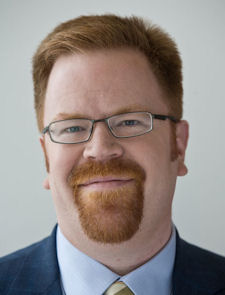
Mark Mullaly is president of Interthink Consulting Incorporated, an organizational development and change firm specializing in the creation of effective organizational project management solutions. Since 1990, it has worked with companies throughout North America to develop, enhance and implement effective project management tools, processes, structures and capabilities. Mark was most recently co-lead investigator of the Value of Project Management research project sponsored by PMI. You can read more of his writing at markmullaly.com.


 Communications Management
Diversity
Integration Management
Knowledge Management
Lessons Learned
Organizational Culture
PMO
Scope Management
Strategy
Talent Management
Using PMI Standards
Communications Management
Diversity
Integration Management
Knowledge Management
Lessons Learned
Organizational Culture
PMO
Scope Management
Strategy
Talent Management
Using PMI Standards
As I have noted in previous columns, project management is becoming recognized on an international scale. In support of this, there are a number of efforts underway to promote a global view of how we think about, discuss and practice project management. But to what extent is project management a universal language? To what extent can it be? Or are we all simply sowing confusion as we use the same words to mean very different things?
Creating confusion in the world of project management isn’t terribly hard. Let’s take one simple example as a point of illustration: the project charter. What is it? Who prepares it? What does one look like? What is it intended to accomplish? Ask a dozen project managers, and you are likely to get a dozen (or more) different answers. Look at actual evidence in even one organization, and you will likely see a variety of examples and practices associated with the production of one theoretically simple deliverable.
Given this diversity, is the globalization of project management a viable possibility?
The story of the tower of Babel is an apt one in this context. Widely considered a metaphor for the inability of human beings to communicate with each other, its origin was in a single people speaking a consistent language. United in purpose, they chose to build a tower that would reach to the heavens. Seeing and feeling …
Please log in or sign up below to read the rest of the article.
|
"I respect a man who knows how to spell a word more than one way." - Mark Twain |


