


One of the seven principles behind Disciplined Agile (DA) is Context Counts. Every person is unique, with their own set of skills, preferences for workstyle, career goals, and learning styles. Every team is unique not only because it is composed of unique people but also because it faces a unique situation. Your organization is also unique, even when there are other organizations that operate in the same marketplace that you do. For example, automobile manufacturers such as Ford, Audi, and Tesla all build the same category of product yet it isn’t much of a stretch to claim that they are very different companies. These observations – that people, teams, and organizations are all unique – leads us to a critical idea that your process and organization structure must be tailored for the situation that you currently face. In other words, context counts.
CONTEXT FACTORS
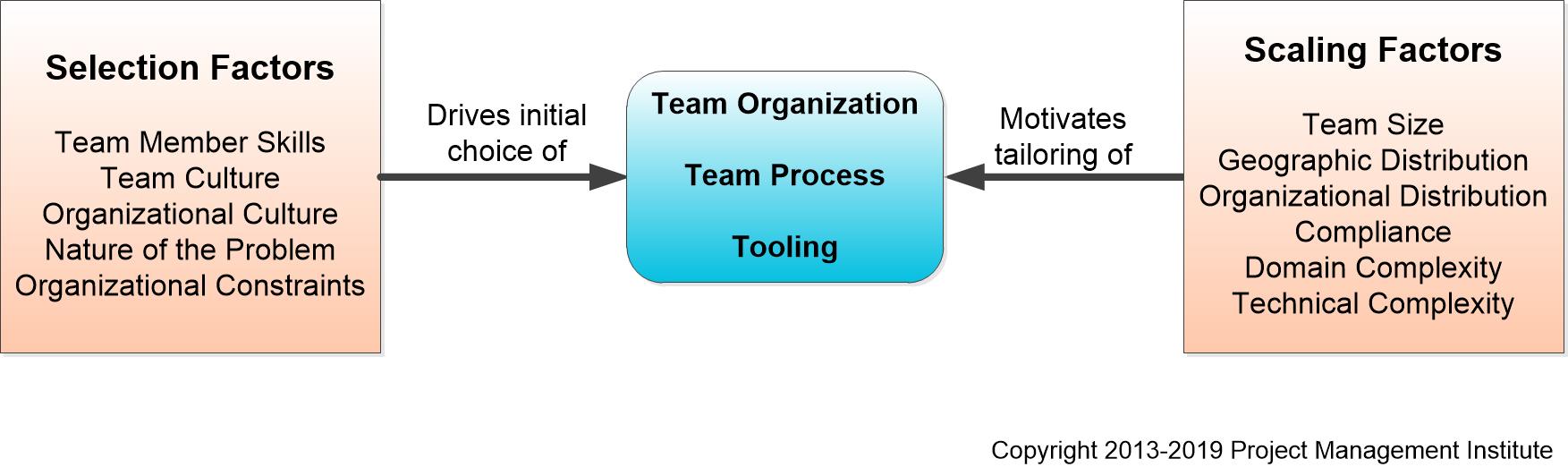
Figure 1 overviews the potential factors that you should consider regarding the context of the situation faced by your team. We’ve organized them into two categories:
- Selection factors that drive your initial choices around your high-level way of working (WoW) and in particular your choice of initial lifecycle.
- Scaling factors that drive detailed decisions around your team’s WoW.
Of course it’s never this straightforward. Selection factors will have an effect on your detailed WoW choices and scaling factors will also have an impact on your initial decisions. Our point is that in general the selection factors have a bigger impact on the initial choices than do the scaling factors and similarly the scaling factors have a bigger impact on your detailed tailoring decisions than do the selection factors.
Figure 1. Potential context factors (click to enlarge).
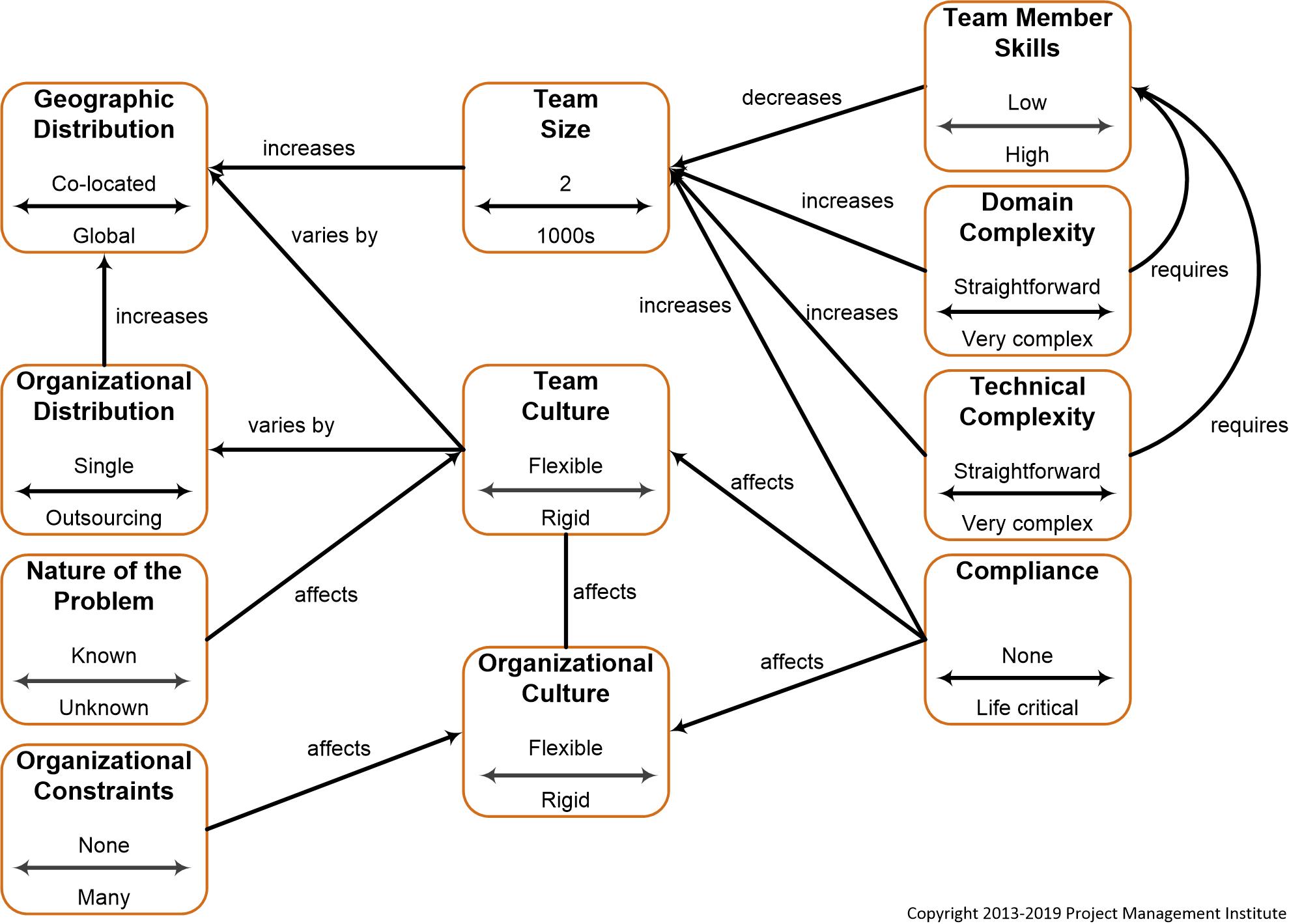
Context factors are interdependent. Figure 2 shows the major relationships between the context factors. For example, you can see that:
- As domain complexity rises the skills required to address that complexity also rise (harder problems require greater skill to solve).
- As team member skills increase the size of the team required to address the problem it faces can shrink (a small team of skilled people can do the job of a larger team of lower-skilled people).
- Your organizational culture and your team culture tend to affect one another, hopefully positively.
- Your team culture will vary by organization distribution (your team will have a different culture than that of teams in a different division of your organization, or of teams in a different company).
- The more organizationally distributed your team becomes the greater the chance that it will be geographically distributed as well. For example, if you are outsourcing some of the work to another organization the people doing that work may be in another, lower-cost country.
Figure 2. Relationships between context factors (click to enlarge).
TACTICAL AGILITY AT SCALE
Let’s explore the scaling factors a bit. As we mentioned earlier, the scaling factors tend to drive your detailed decisions around your way of working (WoW). For example, a team of eight people working in a common team room on a very complex domain problem in a life-critical regulatory situation will organize themselves differently, and will choose to follow different practices, than a team of fifty people spread out across a corporate campus on a complex problem in a non-regulatory situation. Although these two teams could be working for the same company they could choose to work in very different ways.
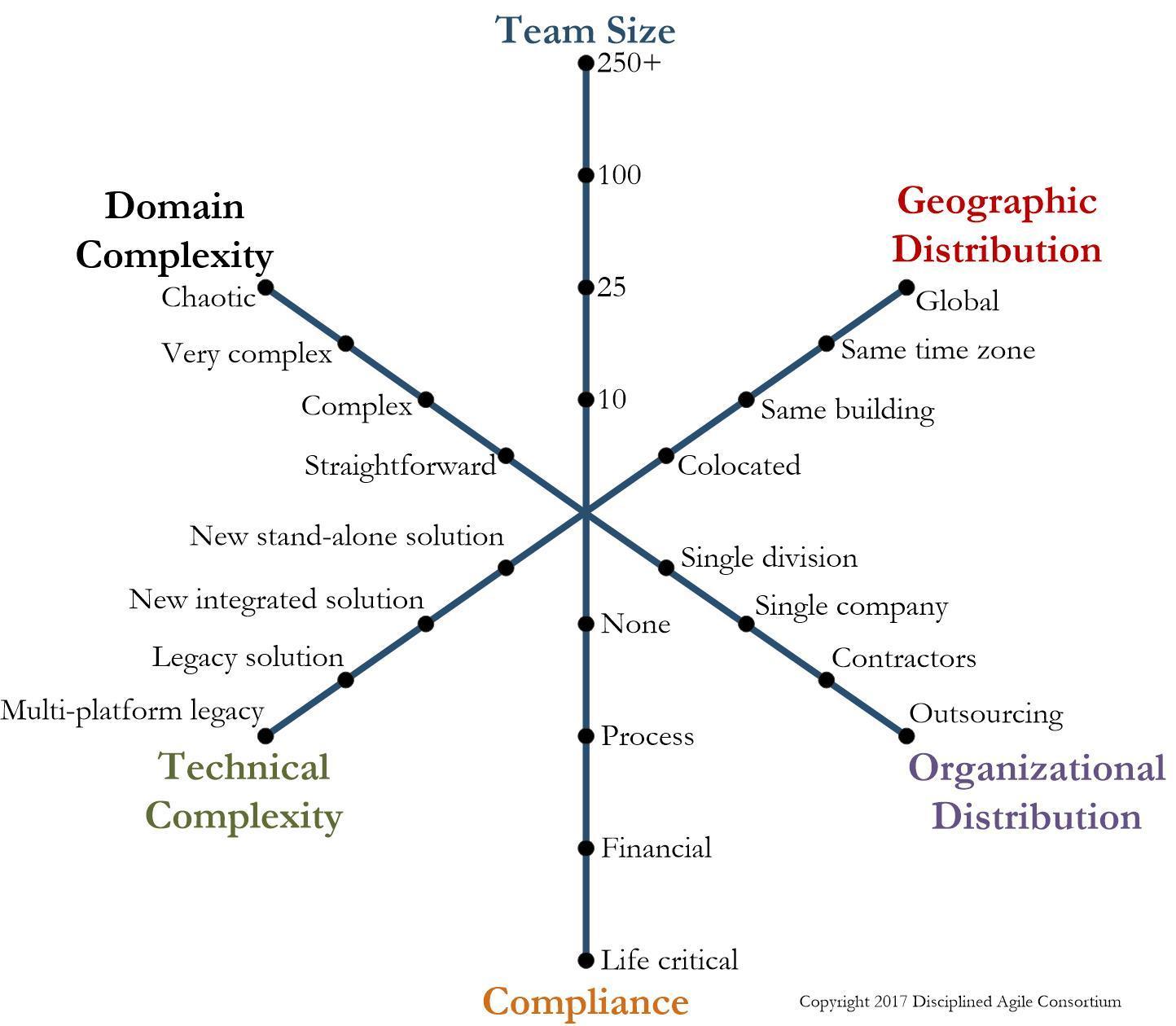
Figure 3 depicts the scaling factors as a radar chart, sometimes called a spider chart. There are several interesting implications:
- The further out you go on each spoke the greater the risk faced by a team. For example, it’s much riskier to outsource than it is to build your own internal team. A large team is a much riskier proposition than a small team. A life-critical regulatory situation is much riskier than a financial-critical situation, which in turn is riskier than facing no regulations at all.
- Because teams in different situations will need to choose to work in a manner that is appropriate for the situation that they face, to help them tailor their approach effectively you need to give them choices.
- Anyone interacting with multiple teams needs to be flexible enough to work with each of those teams appropriately. For example, you will govern that small, co-located, life-critical team differently than the medium-sized team spread across the campus. Similarly, an Enterprise Architect who is supporting both teams will collaborate appropriately with each.
Figure 3. Tactical scaling factors faced by teams.
ENTERPRISES REQUIRE ENTERPRISE-CLASS SOLUTIONS
The leading agile method Scrum provides solid guidance for delivering value in an agile manner but it is officially described by only a sixteen page guide. Disciplined Agile recognizes that enterprise complexities require far more guidance and thus provides a comprehensive reference framework for adapting your agile approach for your unique context in a straightforward manner. Being able to adapt your approach for your context with a variety of choices (such as those we provide via goal diagrams) rather than standardizing on one method or framework is a very good thing.
SOURCE
This article is excerpted from Chapter 2 of the book An Executive’s Guide to Disciplined Agile: Winning the Race to Business Agility.




