


Categories: business agility
Market and competition factors, innovation dynamics and technological journeys are among the agile drivers of organizations

In the previous article I presented an overview of the Business Agility model according to the figure below. Formulating the Business Agility strategy is a crucial first dimension of building agility. The definition of strategy allows the organization to carry out a course of action based on a clear understanding of the performance of the “why” (logic) and the “what” to do.
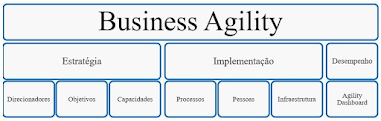
When formulating the strategy, it is important to consider the agile drivers of the organization, which are: market and competition factors in the industry in which your company operates; innovation dynamics and technology journeys; network and value chain; sociopolitical norms and trends; internal organizational aspects; and change factors. These elements must be considered when directing your Business Agility strategy.
Still on strategy, when efining agile objectives, it is necessary to formulate a strategic response for each one of them, reflecting on how these elements will help in this formulation. The agile objectives are: company priorities and business objectives; requirements and level of agility needed; target scenario to be achieved; critical success factors for each of these agile goals; and action strategy to achieve them.
But the organization also needs to plan for its agile capabilities and gaps. Once identified, it is then necessary to plan and act on each gap. Capabilities can be: culture; leadership performance; active; resources; between others. At this time, the use of the company's internal network is indicated, which can bring good values in the search for these capabilities.
The next text will deal with the implementation of Business Agility.
Instagram--> digitalmodebrasil


 Community Champion

