The Project Initiatives That Influenced My Career


|
By Peter Tarhanidis, PhD I’ve been fortunate to have a career that constantly challenges me and my team to apply new approaches to achieve an organization’s mission. I believe that adapting these contemporary management practices and innovative operating models has helped me become the project leader I am today. Below are select project initiatives that have helped me develop my skills:
What themes have you identified in your career? How have you broadened your range? |

Seek Better Questions, Not Answers
|
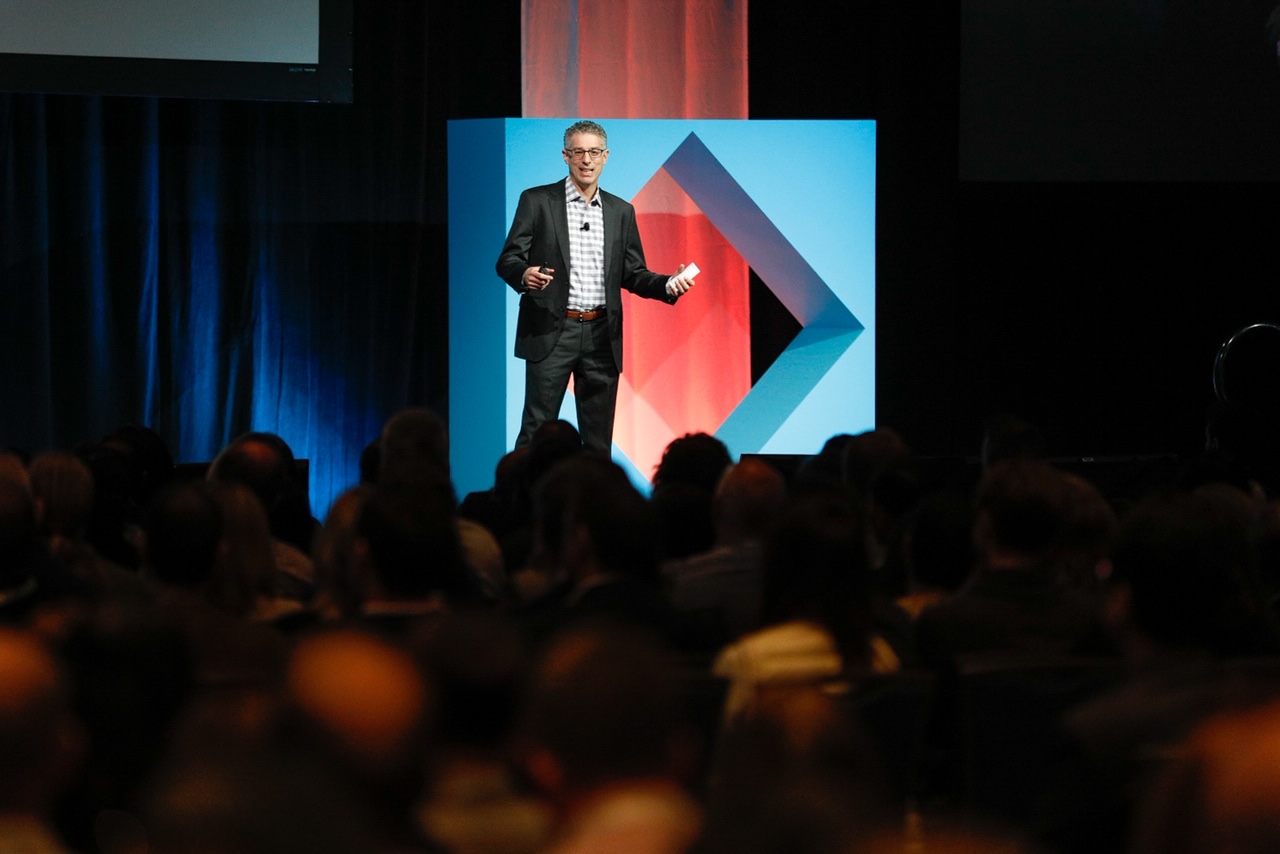
by Cyndee Miller It’s not often I’m told to act like a 4-year-old—and by the executive director of the MIT Leadership Center, nonetheless. But stick with me, there’s actually a sound business case here. Anyone who has ever been around a 4-year-old knows they ask lots of questions. And apparently, it’s a trait they share with CEOs at some of the world’s most innovative companies, from Pixar to Salesforce, explained Hal Gregersen. “Questioners are truth seekers. They can’t afford errors. They have to get to the truth of the matter—and often it’s the tough fearless question that gets us there,” he said at PMO Symposium. To be clear, we should strive to be innovative 4-year-olds as adults—and that means not only asking lots of questions, but better questions. “The way we build better systems, better organizations and a better world is by asking the better question,” he said. So how do you do it? Default to ask, not tell, Mr. Gregersen said, whether it’s an individual conversation, a team discussion or a customer interaction. And you better make them good questions. That means devoting time specifically to coming up with questions—just as you would for brainstorming answers. Sit down with your team. Set a timer. And then write down as many questions about the problem as possible. Now the whole point of asking questions is to take the time to learn, not act. So listen up and flex the power of the pause: Wait three to four seconds after someone stops talking—that’s typically when you’ll start to get the good stuff. “In the hectic world of projects and leadership, we sometimes don’t stop enough,” Mr. Gregersen said. “But that’s how we build the trust to get the data in order to not get blindsided.” It all boils down to one key question: “What are you doing to actively figure out what you don’t know you don’t know before it’s too late?” Listening was also the lesson at the closing session of PMO Symposium. During an interactive musical performance by The Music Paradigm, maestro Roger Nierenberg urged the audience to tune into the dynamics of the orchestra—and observe the behaviors that allow the ensemble to succeed as a team. “Musicians have the ability to play and listen at the same time,” he said. “It makes us alert and capable. It makes us very agile.” And that goes for leaders most of all. “As a conductor, when I was clear and dictatorial, I thought I was being kind by telling the orchestra exactly what to do. But it killed the listening,” Mr. Nierenberg said. “And that’s a precious thing.” And that’s an official wrap for me. See you next year at PMO Symposium, 8-11 November 2020 in Orlando, Florida, USA. I’ll be back on the event beat. As a reporter, I’ve spent years honing my questioning (and listening) skills, but I’m always looking for new ideas. What’s your top tip for asking the right questions? |
A Home for Transformation: Lessons From Fannie Mae’s PMO
|
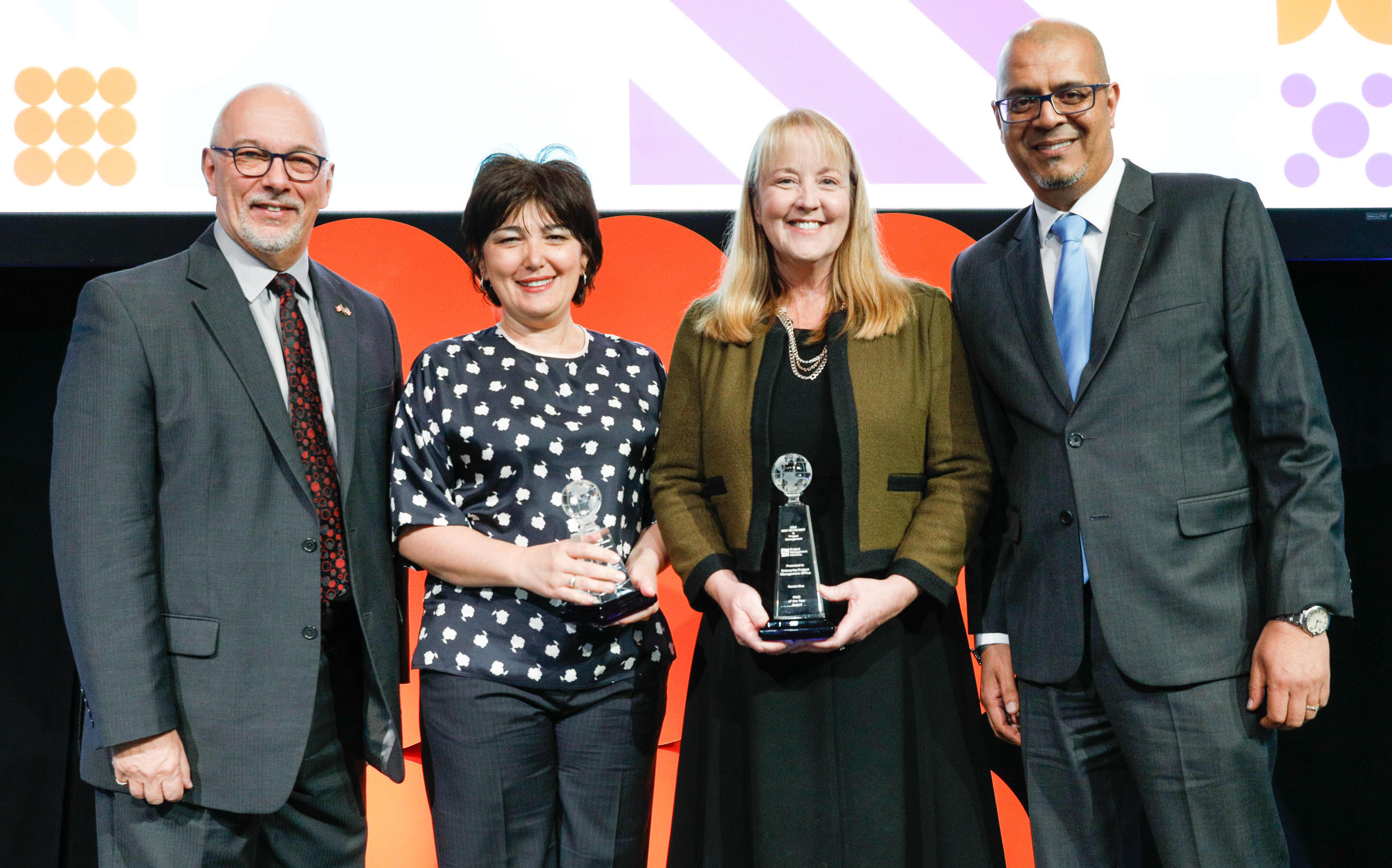
by Cyndee Miller How did Fannie Mae go from bailout to business transformation? In part through an extraordinary enterprise project management office, 2019’s PMO of the Year. In the wake of the U.S. housing crisis in 2007—and a rescue by the U.S. Treasury Department—Fannie Mae set out to improve its business model to better serve the housing industry. In particular, leaders at the government-sponsored mortgage backer knew they had to confront its technological shortcomings. Enter the EPMO, dedicated to modernizing the mortgage process through digital transformation. Part of that process included an enterprise-wide move to agile: Today, teams manage more than 90 percent of projects with it. And PMO leaders have the numbers to prove their progress: Over the last three years, the EPMO has increased its releases by more than 160 percent, while also reducing incidents by more than 65 percent. "PMOs are more relevant than ever," said Fannie Mae’s Amilda Gjecovi, in accepting the award at PMO Symposium. Her colleague Joyce Walsh commended the other two finalists: McDonald’s Corp. and Saudi Aramco. “I am humbled by the competition,” she said. “They are truly impressive leaders and have made a real impact in their organizations.” No doubt. Here’s a quick look: McDonald’s has been serving up some serious digital transformation. The company’s push to develop and install a mobile ordering technology across seven countries in just 12 months was a 2018 PMI Project of the Year finalist. A year after project completion, global sales at McDonald’s jumped 4.5 percent. Behind that big win: the fast-food giant’s Global Technology PMO (GTPMO), focused squarely on digital-driven growth. Since then, the GTPMO has helped McDonald’s stake its claim as a true digital leader, overseeing the next generation of customer relationship management projects, beefing up programs to find, retain and develop tech talent, and moving to a full-on agile transformation. Even as one of the world’s largest oil and gas enterprises, Saudi Aramco isn’t content to just stay put. So when the company’s PMO noticed a gap in its capital expenditures compared to similar projects at other industry leaders, it launched a range of initiatives to generate more efficiencies across project management processes and delivery. The payoff: A 2017 study of projects over US$10 million revealed the implementation of 10 value improvement practices resulted in cost avoidance of more than US$1 billion for the capitol program—and improved project cost performance by 11 percent. Want to learn more? Look for in-depth features of the three PMOs in upcoming issues of PM Network, and head over to PMI’s YouTube channel for video case studies. |
Indulge Your Audacious Curiosity—Even if It Means Failing
|
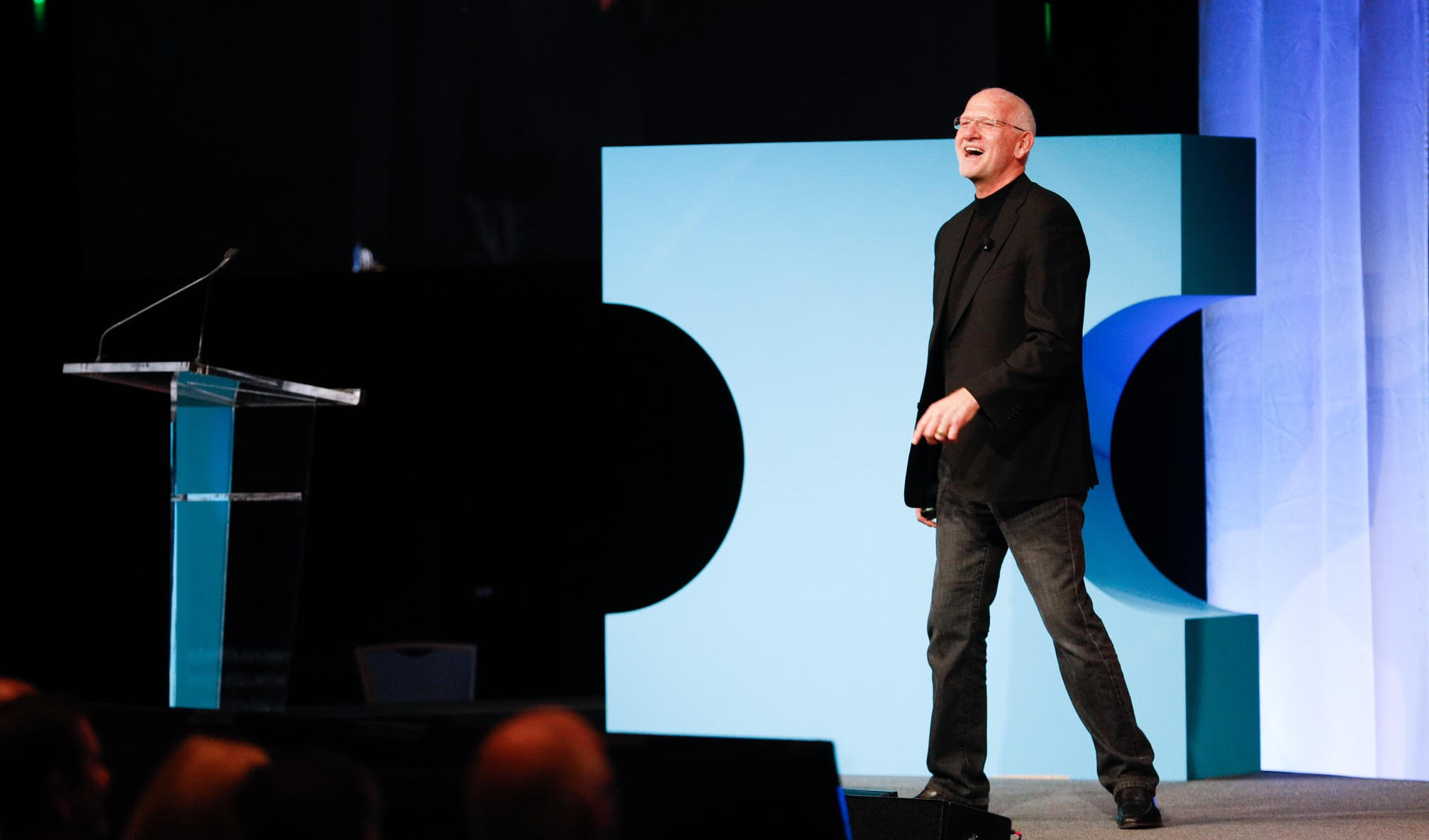
by Cyndee Miller A quantum physicist and a self-proclaimed mad scientist walk onto the stage at PMO Symposium. Now some of you are bound to be wondering what the heck they could possibly teach us about working in The Project Economy. Plenty. For starters, you need to be embracing all those “what if” questions you have roaming around in your head. True innovation—whether in the lab or at the boardroom table—often stems from a seemingly wild question. “It’s about optimizing that moment in a meeting when someone says, ‘This is a crazy idea, but what if we tried X?’” said Andrew Pelling, PhD, a scientist and professor at the University of Ottawa. At Pelling Lab, the team thrives on a balance between scientific rigor and “audacious curiosity.” Bottom line: Scientists and project leaders alike must create a framework that lets in a little room for bold questions and creativity. “Those kinds of questions have led to an enormous amount of discoveries,” he said. In Dr. Pelling’s case, it might have even led to a new innovation strategy altogether: “We took the business model canvas and the scientific method and mashed them together,” he said. The result is the pHacktory, a small lab where “risk is a virtue” and where projects are “bound to fail…or change everything.” Yeah, he said it, the F-word. “No matter the question, we really push our teams to understand what types of knowledge they might create, even when they fail,” he said. “It’s the accidental discoveries, the unintended innovations that come from these failures that we’re after. So, the more failures, the better.” Now I realize those are truly frightening words for many of the project leaders held accountable for those failures. But it also speaks to the need to keep asking questions—it’s the only way you’re going to deliver the truly spectacular results. Dr. Pelling was one of the speakers at the TED Conversation, part of a partnership between PMI and TED. It’s a pretty obvious collab: TED is dedicated to spreading great ideas. Project leaders turn those ideas into reality. “If there’s anyone who can help usher in the future, it’s the people in this room,” said Briar Goldberg, director of speaker coaching at TED. Part of that ushering process has to involve looking at the end result. Take quantum computer technology. Shohini Ghose, PhD, a quantum physicist and professor at Wilfrid Laurier University, outlined some of the revolutionarily applications it could have for all kinds of projects, from medication to encryption. But, she said, there are also loads of questions that have to be answered: “Who will access this tech? How will it be used? How will it change and improve society for the better?” So, what’s your big idea? Now’s your time to share. PMI members have an opportunity to take the stage at PMI Global Conference 2020 for a special TEDx event. Stay tuned to PMI.org—more details and an application are coming soon. In the meantime, how are you indulging your audacious curiosity? And how are you encouraging it on your team? |

Are You Delivering Tangible Results?
|
by Cyndee Miller George Lucas was a project manager. And the Star Wars production team? A PMO. So declared Bob Safian, former editor of Fast Company, at the start of PMO Symposium. Sure, Star Wars may be a 1970s-era example from PMI’s list of 50 Most Influential Projects, but it also embodies a mentality that speaks to the future. We’re entering The Project Economy, where people have the skills to turn ideas into reality, and organizations deliver value through the successful completion of projects. Work is no longer about static job responsibilities, but a sequence of tasks. Why the switch? “The Project Economy is about the need for speed, flexibility and learning,” Mr. Safian said. It’s a way to try things out—and get things done. Young workers today aren’t looking to land the job they’ll have for the rest of their lives. They’re looking for the tasks and experiences that will grow their skills, he explained. And organizations are seeing the payoff, too. It’s just part of the deal for Daniel Ek, CEO and co-founder of music streaming giant Spotify. He hires top leaders for a two-year “tour of duty.” At the end of that cycle, they may re-up for another tour—but only if the goal still makes sense. “It’s how he builds fluidity, adaptability and effectiveness into the company,” Mr. Safian explained. With so much changing so fast, he encouraged project leaders to continually ask themselves three key questions: 1. Is this Day One? It’s a maxim that Jeff Bezos uses at Amazon. In other words, are you going into work every day as if it’s your first and you can start from scratch? 2. Is what you’re doing relevant to the next generation? 3. Are you embracing and encouraging a growth mindset? “If you resolve all these questions, we can make tremendous change and make a tremendous impact on the world ahead of us,” Mr. Safian said. Because whether they’re working on a construction project or a blockbuster film franchise, project leaders everywhere share a common purpose: delivery. “In business there’s a lot of dialogue, a lot of talk about strategy, leadership, metrics and planning. But at the end of the day it’s about producing tangible results,” Mr. Safian said. “That’s what you all do. That’s the purpose of project management. That’s the purpose of business. And that’s the purpose of humanity—to get something tangible done.” Let’s hear it: How is The Project Economy changing how you get something tangible done? |