


Categories: Lean
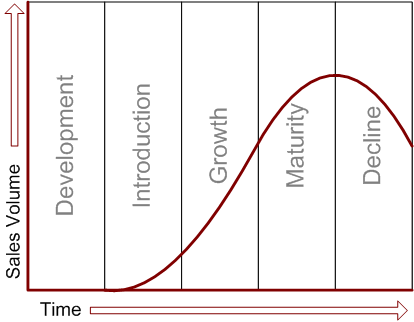 Do you manage your projects with the perspective of the full life cycle of the product(s) you are creating?
I’ll bet the answer is no. That’s what my answer is too. I think I fail at this as much as anyone.
Traditional project management practices have led us to focus on the short term impacts of scope, cost, and quality.
Initial Scope
This is probably the place we do best at identifying and trying to quantify the full life cycle costs of the product. There is at least a small section of the projects out there with a strong initiation phase that consider life beyond the final project milestone.
When we don’t, we can end up creating a product the customer is happy with today, but becomes the bane of their existence two years from now. Some examples of life cycle considerations:
- Maintainability of code
- Flexibility for future updates as technology progresses
- Ease of interfacing with other systems
- Sponsor changes - when your sponsor is replaced by someone else, does your product still add value to the business?
- Total cost of ownership
Change Control
When your project deals with a change request, what are the factors taken into account? Is it just a matter of how many hours or dollars it will take to implement the change?
Are you also estimating the impact in operations of the change? What life cycle considerations are you taking into account?
Documentation
When you decide to add another document into the mix or just on the initial number of documents required for your project, do you figure in the total impact for maintaining those documents across the entire product life cycle?
Code
If you aren’t doing automated software builds and automated unit testing of code, have you figured in the lifetime costs during development and in operations of that decision?
Have you figured in the risk of deploying code into operations that has only rudimentary testing procedures?
Processes
With all of the many processes that occur on your project, what’s the difference between their optimal state and the current state? Does saving an hour a day collectively across the project team because of a process improvement make a difference?
Have you taken into account how the design choices you make today will impact the processes required in operations? How much time are you saving or costing the users of your product?
Training
Are you short-sighted in thinking that training your project staff or spending time learning how to get continually better is something you can’t afford?
Perhaps your customer doesn’t want to pay for training, because project staff should come to the project fully trained. Do they realize that technology does not stand still?
How much money and time will you waste a year from now because you saved a much smaller amount today by not valuing the concept of a learning organization, a learning project team? Have you ever heard the expression “penny wise and pound foolish?”
So, what steps do you take on your projects to include the whole product life cycle in decision making?





