
The Catch-22 of Project Management Certification and Experience


|
Many have a common theme around the problem of gaining experience when many of the positions that you find posted require a PMP certification. Here's the deal. What Catch-22?It may seem like a Catch-22, but it's really not. You know those jobs requiring PMP certification? Those are not entry level jobs you're applying for. Any employer who is requiring PMP certification for an entry-level project management position does not understand what the PMP is. What you need instead is a more entry-level role if you don't have experience yet. This can come in many forms. For many of us, we got our start by doing project management on the side. In addition to our day jobs we started managing projects. I realized that managing projects and creating something new was what I most enjoyed about managing people. Another avenue is to secure a role such as Business Analyst or Technical Lead. More established companies will have different levels of project manager roles. One of the things that I teach is when assessing organizations you might want work for, take a look at what their organizational structure looks like. What sorts of titles do the different roles have in their company? Corporate Project Culture
Examples include "Project Manager 1, 2, and 3" or progressive levels such as "Junior Project Manager", "Project Manager", "Senior Project Manager". What about those of you who would rather work in smaller companies with maybe more of a startup feel to them? In many cases if you secure some type of lead technical role or people management role within my start up or small-company you will have the opportunity to manage projects. (You won't be able to avoid them!) Startup Project Culture
One of the downsides of doing this in a startup company is there is less of an established process or training in project management as a discipline. But on the flipside you can learn SO much in a startup environment about business, product development, and leading teams that is hard to come by in a large and well-established company. These people that thrive in a startup environment instead of the large corporate culture can show you a lot about getting things done. I think that really helped me to start thinking critically about how projects are delivered, and one of the reasons why I'm a big advocate of Lean and Agile delivery methods today. If you spend your entire career within a large organization you don't really get exposed to this type of thinking much. You really have to think about what type of environment excites and motivates you. What Is Your Path?
This can be a good environment for someone brand-new to project management to learn one way of managing projects. Or do you get motivated by having to figure it out? I am of the latter persuasion. I love to go into a situation that is fairly unstructured and inconsistent, and shape that culture into a highly performing delivery mechanism of products. I did this even when I was starting out, and so can you. Even when I really didn't have any experience yet managing projects in any kind of formal way, the challenge of trying to figure it out was an awesome incentive for learning as much as I could. And you can do the same. You Can't Wait To Be An "Expert"You don't have to know everything there is to know about project management or even have any experience at it when you start out in either of these situations. For those of you like me who identify as lifelong learners and read several non-fiction books a month and attend training or webinars whenever you can, you can succeed in any of these environments. If you're not naturally drawn to learn more every time every day about managing projects and delivering products, and you instead must force yourself to learn more about this process, then you may want to reconsider project management as a career path. Seriously. If this doesn't excite you then why are you pursuing it as a career? You'll probably be doing this for the rest of your life - don't you want to enjoy it? |
 I get a lot of questions from people who are getting started in project management.
 When you start to see a pattern of progressing levels of responsibility for project management rolls, this might be a good organization to grow your project management career with.
 In startup companies people wear many hats. That's how I got my start in project management. I did manage a few projects at a larger fortune 500 company, but I really got to manage a lot of projects when I was just the Operations Manager for a small startup company.
 Would you rather go into an established organization that probably has training manuals on project management and they have their software development lifecycle all mapped out on pretty little diagrams?
4 Easy Steps To Understanding Project Management Certifications
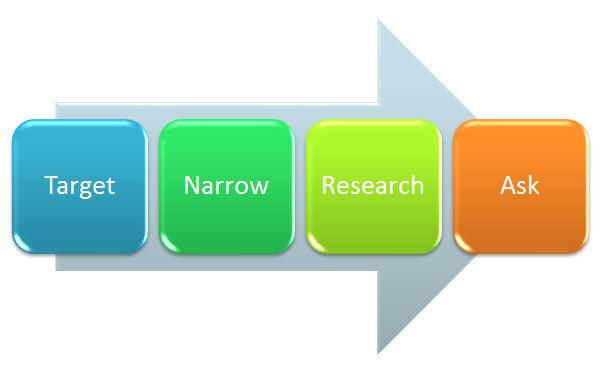
| I get this question a lot. "Please can you tell me the difference between the PMP and Prince2 and the advantages and disadvantages thereof." Or something similar. Look, it's not a bad idea to research the various options out there for certification or even degree programs. But you shouldn't start there in my no-so-humble opinion. Perhaps a completely different focus of your time and energy is a better ROI than pursuit of a certification. But how can you know? Here are four easy steps to understanding which certification or degree you should pursue.
Step 1 - Target OrganizationsThink of yourself as a business. You are trying to figure out what product to develop (which certification to pursue). You don't start with the product. You start with your target market - the people who will potentially buy your product if only you can make it solve a problem they experience and make their lives better. So first thing's first. Who is your target market? If you don't know who you are trying to serve, you are only taking a wild guess about where to put your efforts. Who is your target market (potential employers)? Step 2 - Narrow Your FocusIt's likely you have some rather broad category of potential employers from the last step. Something like "software development companies" or "telecommunications". Not good enough. I want you to think deeply about the organizations in which you thrive. Not just exist, but THRIVE.
Step 3 - Research And Narrow Your Focus MoreNow that you understand what you want, let's find a candidate list of potential fits. The internet is such an awesome tool, and not just for posting what you just ate for breakfast to your Facebook friends (who knew?) Using sites like LinkedIn, Gantthead, and just a good 'ol Google search you can find out amazing things about companies in your area and if they might be a potential fit for YOU. Get creative. Use company searches, Chamber of Commerce information, and asking around your professional network (you've got a well-maintained network of professional relationships, right?) to find out more about these organizations. In the end, narrow down your list to 3-10 target organizations. You can broaden this list later if you want, but for now let's keep the focus as narrow as possible. By the way - if the company you already work for is on that list of 3-10 organizations, congratulations! You may not want to switch companies. But if it's not, maybe it's time for a change. Step 4 - AskGeeeez Josh, I thought this article was supposed to be about project management certifications? It is. But if you expected me to talk about certifications in Step 1 it's because you've been thinking about this bass-ackwards, pal. Now that you have a small, targeted list of 3-5 organizations that are a good fit for you, guess what you can do now? Ask. Just ask them - what certifications, if any, does your organization value? (Hint: some organizations DESPISE certifications - it's true!) Hopefully you've already expanded your professional network towards these 3-10 organizations. If not, now's the time. It can take some time to do it right. This is slow-roasted goodness, not a microwave entre. Even if you can't seem to find a connection you can approach these organizations so you can get to know them. And for them to get to know you. What If You Still Don't Understand?Well, you messed one of these steps up, bucco. If your candidate list of companies isn't 3-10 narrowly focused ones, do steps 1-3 again. This time, with FEELING. If you are confident about which companies you've put on your short list, but still don't understand if they value project management certifications or which ones, you've got some networking to do. Look at step 4 and get your hands on every book, article, and training program you can find on professional networking. Most of all, practice the heck out of it. And the best part? In the process of trying to understand about project management certifications, you learned a heck of a lot more about something else. Your career. |
World Governments Call For Better Project Management
|
Like the UK example earlier, this is a call for better project management in government. Again we see recommendations for the establishment of a "Centre for Excellence" in Project Management for Governments.
Here are some highlights from the report with my summaries.
Major Finding 1 - "Government does not have a sound governance framework for the development of major capital projects"
Major Finding 2 - "Project management practices for the new high schools projects were deficient"
Major Finding 3 - "Government Administration Building employed good project management practices"
Some good news! This project had a competent and well-trained project manager and came in on time and within budget.
What can the rest of us learn from these examples from the Cayman Islands? Share your thoughts in the comments. |
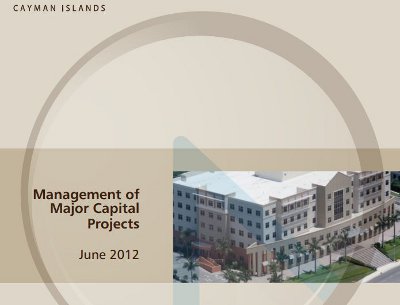 In another example of governments around the world realizing they need to focus on better project management, the Cayman Islands' Auditor General
MPM Certification?
Categories:
Certification
Categories: Certification
| Recently there has been some heated debate about the value of the MPM Certification.
Certification Red Flags
I think this is more like a club than a credential. SeriouslyIn order for me to take a credential seriously, it has to either:
That is my honest opinion on the matter. What do you think? |
 From time to time I learn about new programs that I've never heard of before. Sometimes they are valid start-up certifications, and sometimes

