

A Story About My T-Shirt ( Team Building Fun )
Categories:
Video
Categories: Video


| Josh gives an example of how project team building can be done in a fun way, in a complex environment. This is just one example. How do YOU create fun activities for your project team? Share your examples in the comments.
|
The Genius of the 'AND'
Categories:
Project Leadership
Categories: Project Leadership
| Ty posted an interesting piece on leadership that I commented on, and am about to expound upon here. He referred to successful project work being led, not managed.
Leadership is a sexy attribute that everyone wants to be associated with. However, do not forget about the importance of effective management. Frankly, I don't want to hire project managers who can not manage teams, stakeholders, and projects effectively. To use a sports analogy, it's about blocking and tackling combined with inspiration and empowerment. A good coach needs to be effective at both leadership and management, not one or the other. We are project coaches. |
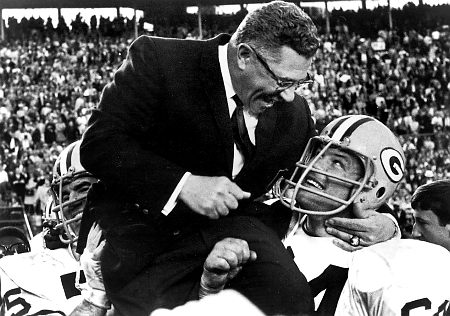 A general, CEO, technical innovator, or scientist can get away with being a great leader and lousy manager if and only if they surround themselves with great managers. The general and CEO in that case rely on their vision and strategic capabilities, and the technical innovator and scientist rely on their ability to create movements through technical breakthroughs.
The Power of Low Expectations
Categories:
Professional Development
Categories: Professional Development
| How is lasting progress made? I've asked myself this question many times in relation to my own professional and personal development. Reflecting on my own career and life, a pattern emerges.  At times I can get really gung-ho about a particular area. There was a time when I spent 2 hours every day at the gym when I was really focused on being physically fit. After a short time I came down with the flu. I didn't go back to gym. See, looking back I now understand that the level of commitment I had expected of myself was too high. When an obstacle appeared, it just became too daunting a task to go back to it at full throttle again. It wasn't a conscious decision either; it happened subconsciously as I continued to pay gym dues for months with good intentions of going back. There were always the little excuses. I didn't have enough time (suddenly) or my neck was hurting, etc. Plus I knew how much pain I was going to be in if I did my regular work out after being out of commission for so long. As time went on, these excuses became more believable and it was easier to talk myself out of it. Fast ForwardI've now discovered the Power of Low Expectations. Paradoxically, this can lead to high performance.Let me explain. I'm back at the gym, but it's not the same as last time. First, I eased into my workout routine, starting with just 15 minutes of low-stress activity. I kept at this in a consistent way, actually resisting the urge to do more. Every few days I would gradually increase my workout length and intensity. Eventually I settled into a balanced state. Although I could do more, I don't. Even if I feel particularly motivated to run an extra mile, I stop when it is time to stop. Because of this approach, I have consistently stuck to the plan because it never feels like a burden. And in the end, the consistency of "low expectations" yields returns far greater than the short-term burst of activity followed by failure. What Does This Have to Do with Me?Everything.I coach new and aspiring project managers. Many of them are very gung-ho  about getting into project management, and I have seen quite a few get burned out very quickly. They might do almost nothing for a long time and then, feeling almost guilty about not working towards their goals, sign up for a "boot camp" or short training class. They finish it over the course of a week or so and don't want to hear about project management again for a long time. about getting into project management, and I have seen quite a few get burned out very quickly. They might do almost nothing for a long time and then, feeling almost guilty about not working towards their goals, sign up for a "boot camp" or short training class. They finish it over the course of a week or so and don't want to hear about project management again for a long time. Whatever your career goals are, plan them out into the future and decide what you'll need to do to acheive them. Plot those tasks out evenly along the course of time as you move towards your goals. Take 15 minutes a day, every day, and do something that moves you forward. I broke up my pmStudent e-Learning courses into short lessons of 10-20 minutes each on purpose, and advise students to set aside a quiet time each day when they can focus on one lesson at a time, instead of saving it all for the weekend and have to spend several hours. If they do the latter, it's likely they will never finish the course. KaizenAnother great application of the Power of Low Expectations is in organizational change management. Dramatic change usually doesn't stick in the organizations I've worked for. If you try to implement a new project management methodology over the course of a few months, there is little you can do but try to force it on the staff using role power and formal authority. You may get compliance, but you won't get commitment. How many "big changes" have you experienced in an organization that were supposed to make things better, and 6 months later... "Hey, wasn't Project XYZ supposed to fix this problem? Whatever happened to it?" "I don't know. I think they announced the "new process" was in place, but we didn't like it so we just kept doing things the way we've always done them." Perhaps you have a story like this you'd like to share in the comments? Come on, you know you want to! The better way to implement lasting change is to describe the desired state in the future and formulate several stages through which the organization will pass to reach the goal. Small changes over time will yield big changes if there is a continuous march towards improvement. It is just as important to take time between any transitional changes. This allows you time to get everyone who is impacted by the change engaged and use their creative energy to come up with great ideas and move towards the goal as a group. When people are involved and contributing to the iterative cycle of planning and execution, their voices will be heard and you can garner commitment. Long-lasting commitment. Now get back to it. But don't push yourself too hard. Image credits (Creative Commons-licensed content for commercial use) Dare to slack during the day by cell105 Boston #56 by Dennis Wright X is for... by AndYaDontStop |


