


2.jpg)

 - 2018 Remix_Moment.jpg)





Guessing is not a strategy: How to build decision velocity with AI and real-time data
June 10, 2026 | Live Webinar

The Emerging Tensions of Adaptive Governance
From Statistical Patterns to Operational Judgment
ORGANIZATIONAL MEMORY & DECISION CONTINUITY
RESPONSIBLE DECISION ARCHITECTURE™
Decision Architecture Under Pressure
Agile, Career Development, Career Development, Career Development, Career Development, Career Development, Career Development, Career Development, Career Development, Career Development, Career Development, Career Development, Career Development, Career Development, Career Development, Career Development, Career Development, Career Development, Career Development, Career Development, Career Development, Career Development, Career Development, Career Development, Career Development, Career Development, Career Development, Career Development, Career Development, Career Development, Career Development, Career Development, Career Development, Career Development, Career Development, Career Development, Career Development, Career Development, Career Development, Career Development, Career Development, Career Development, Career Development, Career Development, Career Development, Career Development, Career Development, Career Development, Career Development, Career Development, Career Development, Career Development, Career Development, Career Development, Career Development, Career Development, Career Development, Career Development, Career Development, Career Development, Career Development, Career Development, Career Development, Career Development, Career Development, Career Development, Career Development, Career Development, Career Development, Career Development, Career Development, Career Development, Career Development, Career Development, Career Development, Career Development, Career Development, Interpersonal Skills, Interpersonal Skills, Interpersonal Skills, Interpersonal Skills, Interpersonal Skills, Interpersonal Skills, Interpersonal Skills, Interpersonal Skills, Interpersonal Skills, Interpersonal Skills, Interpersonal Skills, Interpersonal Skills, Interpersonal Skills, Interpersonal Skills, Interpersonal Skills, Interpersonal Skills, Interpersonal Skills, Interpersonal Skills, Interpersonal Skills, Interpersonal Skills, Interpersonal Skills, Interpersonal Skills, Interpersonal Skills, Interpersonal Skills, Interpersonal Skills, Interpersonal Skills, Interpersonal Skills, Interpersonal Skills, Interpersonal Skills, Interpersonal Skills, Interpersonal Skills, Interpersonal Skills, Interpersonal Skills, Interpersonal Skills, Interpersonal Skills, Interpersonal Skills, Interpersonal Skills, Interpersonal Skills, Interpersonal Skills, Interpersonal Skills, Interpersonal Skills, Interpersonal Skills, Interpersonal Skills, Interpersonal Skills, Interpersonal Skills, Interpersonal Skills, Interpersonal Skills, Interpersonal Skills, Interpersonal Skills, Interpersonal Skills, Interpersonal Skills, Interpersonal Skills, Interpersonal Skills, Interpersonal Skills, Interpersonal Skills, Interpersonal Skills, Interpersonal Skills, Interpersonal Skills, Interpersonal Skills, Interpersonal Skills, Interpersonal Skills, Interpersonal Skills, Interpersonal Skills, Interpersonal Skills, Interpersonal Skills, Interpersonal Skills, Interpersonal Skills, Interpersonal Skills, Interpersonal Skills, Interpersonal Skills, Interpersonal Skills, Interpersonal Skills, Interpersonal Skills, Interpersonal Skills, Interpersonal Skills, Interpersonal Skills, Leadership, Leadership, Leadership, Leadership, Leadership, Leadership, Leadership, Leadership, Leadership, Leadership, Leadership, Leadership, Leadership, Leadership, Leadership, Leadership, Leadership, Leadership, Leadership, Leadership, Leadership, Leadership, Leadership, Leadership, Leadership, Leadership, Leadership, Leadership, Leadership, Leadership, Leadership, Leadership, Leadership, Leadership, Leadership, Leadership, Leadership, Leadership, Leadership, Leadership, Leadership, Leadership, Leadership, Leadership, Leadership, Leadership, Leadership, Leadership, Leadership, Leadership, Leadership, Leadership, Leadership, Leadership, Leadership, Leadership, Leadership, Leadership, Leadership, Leadership, Leadership, Leadership, Leadership, Leadership, Leadership, Leadership, Leadership, Leadership, Leadership, Leadership, Leadership, Leadership, Leadership, Leadership, Leadership, Leadership, Leadership, Strategy, Strategy, Strategy, Strategy, Strategy, Strategy, Strategy, Strategy, Strategy, Strategy, Strategy, Strategy, Strategy, Strategy, Strategy, Strategy, Strategy, Strategy, Strategy, Strategy, Strategy, Strategy, Strategy, Strategy, Strategy, Strategy, Strategy, Strategy, Strategy, Strategy, Strategy, Strategy, Strategy, Strategy, Strategy, Strategy, Strategy, Strategy, Strategy, Strategy, Strategy, Strategy, Strategy, Strategy, Strategy, Strategy, Strategy, Strategy, Strategy, Strategy, Strategy, Strategy, Strategy, Strategy, Strategy, Strategy, Strategy, Strategy, Strategy, Strategy, Strategy, Strategy, Strategy, Strategy, Strategy, Strategy, Strategy, Strategy, Strategy, Strategy, Strategy, Strategy, Strategy, Strategy, Strategy, Strategy, Sustainability, Talent Management, Talent Management, Talent Management, Talent Management, Talent Management, Talent Management, Talent Management, Talent Management, Talent Management, Talent Management, Talent Management, Talent Management, Talent Management, Talent Management, Talent Management, Talent Management, Talent Management, Talent Management, Talent Management, Talent Management, Talent Management, Talent Management, Talent Management, Talent Management, Talent Management, Talent Management, Talent Management, Talent Management, Talent Management, Talent Management, Talent Management, Talent Management, Talent Management, Talent Management, Talent Management, Talent Management, Talent Management, Talent Management, Talent Management, Talent Management, Talent Management, Talent Management, Talent Management, Talent Management, Talent Management, Talent Management, Talent Management, Talent Management, Talent Management, Talent Management, Talent Management, Talent Management, Talent Management, Talent Management, Talent Management, Talent Management, Talent Management, Talent Management, Talent Management, Talent Management, Talent Management, Talent Management, Talent Management, Talent Management, Talent Management, Talent Management, Talent Management, Talent Management, Talent Management, Talent Management, Talent Management, Talent Management, Talent Management, Talent Management, Talent Management, Talent Management


| The year will not be new... if you are the same!
Last year, exactly on the 26th of December 2019, I created my first reflection on this blog on this topic It occurs to me to ask you: - Have you defined your goals for 2020? - Were they S.M.A.R.T.? - In what areas did you define your objectives?
Have you made plans to achieve your goals? Did you monitor the plans on a monthly basis? Did you introduce the appropriate corrective measures keeping the objectives in mind? It's time to compare your goals and what you have achieved:
- What were the main difficulties you experienced? - What are the main facilities? - What are the most important lessons learned? - What is your opinion about my proposal at the end of 2019? Does it make sense? Remember that:
I wish your year 2021 to be full of achievements
|
    I just received the volunteer certificate for my contribution,
during 2020, to the Project Management Profession and to the PMI
It is a privilege and a pleasure to be part of the PMI Community
What will be your contribution as a PMI volunteer?
|
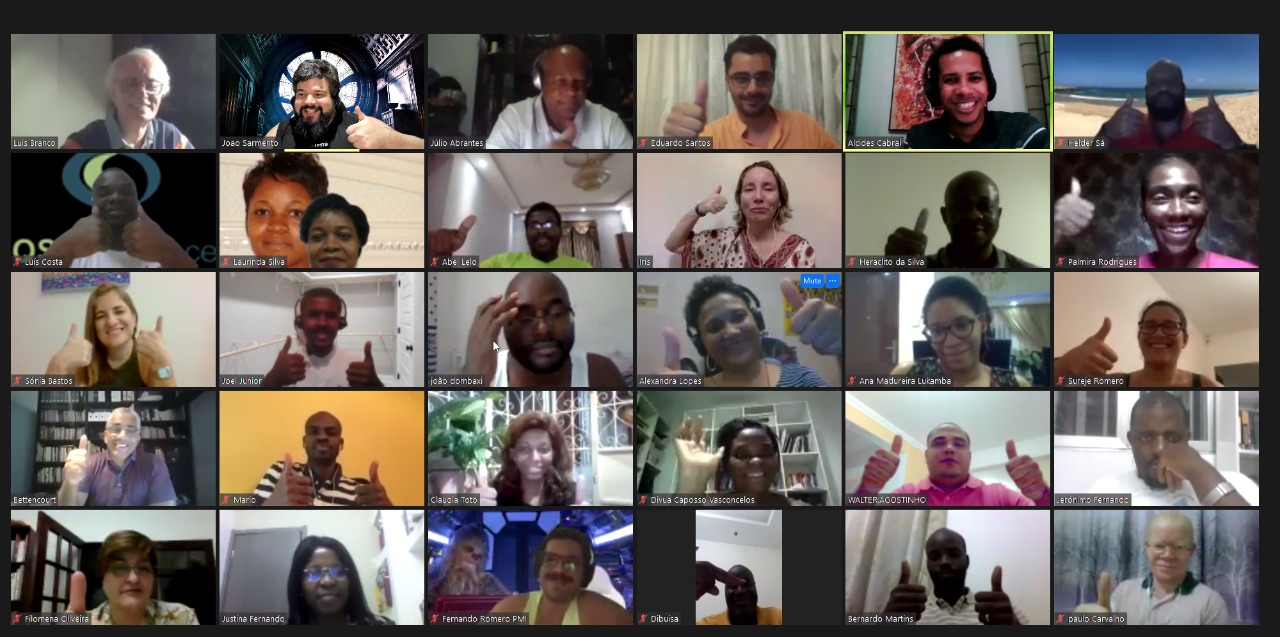
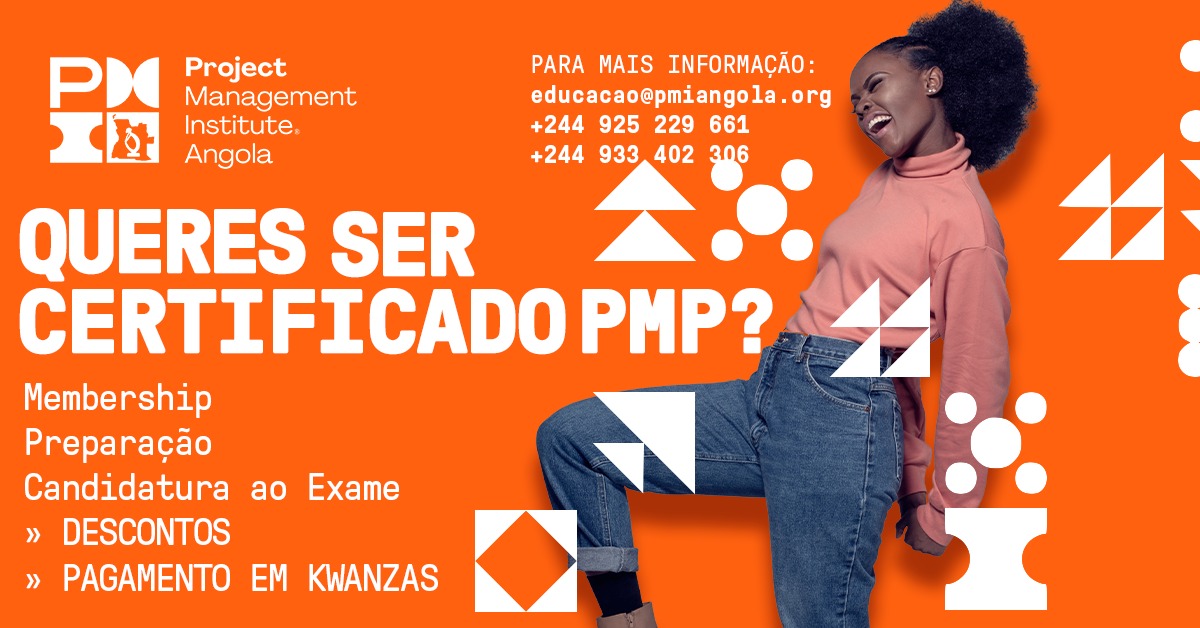
| Yesterday, June 5, 2020, the last online session of the PMP Initiative was held, which was organized by PMI Angola This training action started on May 4, 2020 Thirty participants attended this course
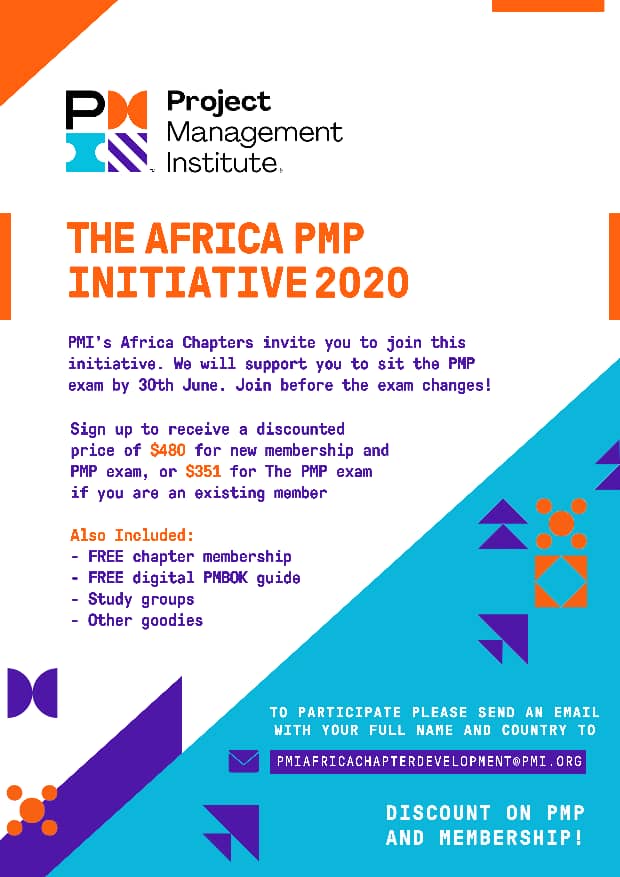
This training course followed the Africa PMP Initiative 2020
I take this opportunity to congratulate PMI Angola for the initiative
And wish all graduates a great success in carrying out the PMP certification exam Find out what the trainees of this training said
|
|
Você sabia? Em 2008 tive oportunidade de, pela primeira vez, ver o vídeo produzido e realizado por v Karl Fisch, Scott McLeod e Jeff Brenman: “Did you Know”? Passei a incorporá-lo logo no início das acções de formação que ministrava à época. Para além de servir como “quebra-gelo” (icebreaker) o principal propósito era o de estimular a reflexão ao perguntar aos meus formandos: “O que significa isto para si?” Como consequência obtive as reacções mais diversas em relação aos factos apresentados e ao significado que estes poderiam ter nas suas vidas.
Em 2008As informações, prognósticos e/ou conclusões mais impressionantes contidas no vídeo produzido e realizado em 2008 são, para mim:
Existem um outro conjunto de informações nos incentivam a ver este vídeo na totalidade Em 2010 passei a usar outras técnicas e ferramentas para quebrar o gelo (icebreaker) no início das acções de formação de formação que ministrei. Em 2018 Fiquei surpreendido, em 2018, quando vi uma versão actualizada do vídeo “Did you Know” Vale a pena ver essa nova versão
Conclusão “A única coisa permanente é a mudança” – Heráclito Quais são, na sua opinião, as alterações mais significativas que ocorreram nos últimos 10 anos? Em que medida é que estas mudanças podem afectar a nossa profissão de Gestores de Projectos? Did you Know?In 2008 I had the opportunity, for the first time, to see the video produced and directed by Karl Fisch, Scott McLeod and Jeff Brenman: “Did you Know”? I started to incorporate it right at the beginning of the training actions I was teaching at the time In addition to serving as an “icebreaker”, the main purpose was to stimulate reflection by asking my trainees: “What does this mean for you?” As a consequence, I got the most diverse reactions in relation to the facts presented and the meaning they could have in their lives. In 2008 The most impressive information, predictions and/or conclusions contained in the video produced and made in 2008 are, for me:
There is another set of information that encourages us to watch this video in its entirety. In 2018 In 2010, I started using other techniques and tools to break the ice (icebreaker) at the beginning of the training courses I gave. I was surprised, in 2018, when I saw an updated version of the video “Did you Know”. This new version is worth seeing. Conclusion “The only permanent thing is change” – Heráclito What are, in your opinion, the most significant changes that have occurred in the past 10 years? How can this changes affect our profession as Project Managers? |
|
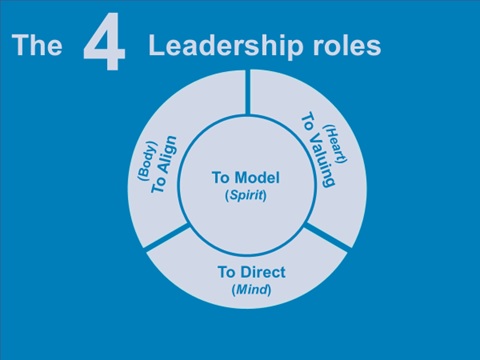
In the first article of this series of 3, the theme was addressed: "The paradigm of people as a whole". A simple way of thinking about life was suggested, addressing the 4 dimensions of the person as a whole, his needs, intelligences and attributes and how to light the inner fire and we find our voice. In the second, "People and Work", a reflection was made on what people expect from their work, the main chronic and acute problems and the response of companies and organizations of the industrial era to solve these problems. In this last article “The Leadership Solution in Organizations” the leadership solution to solve chronic problems is addressed. The 4 leadership roles are analyzed. The leadership solution in organizations The decision to inspire others to find their own voice takes us to the heart of the four chronic organizational problems that stem from the current model of the industrial age. Each person who has found their own voice has the power to rewrite the software of the industrial age (boss, rules, efficiency, control) that prevails in organizations. The process involves four functions that become the antidote to the four chronic organizational problems. Where there is little trust, we focus on shaping integrity to build trust. Where there is no vision or common values, we focus on moving towards creating a new vision and a set of common values. Where there is misalignment, we focus on aligning objectives, structures, systems and processes to encourage and align the valuation of people and culture, in order to serve the vision and values. Where there is weakness, we focus on valuing people and teams in terms of project or position. The four roles of the leader are not about leadership as a position, but as a proactive intention to affirm the value and potential of those around us and unite them as a complementary team in an effort to increase influence and impact on organizations and causes important that we are part. It should be remembered that, in a complementary team, the individual strengths (voices) become productive and the weaknesses become irrelevant because they are compensated for the strengths of the others.
The 4 Leader Roles are simply four qualities of personal leadership - vision, discipline, passion and awareness - on an expanded scale for the entire organization. To Model - (Conscience): Set a good example To Direct (Vision) - Determine the route together To Align (Discipline): Establish and manage systems to keep the course To Valuing (Passion): Focus talent on results, not methods, after getting out of people's way and helping them if they ask us. Whoever is in formal positions of authority in the organization can consider these four roles as a challenging but natural way of fulfilling their role. But to see them only as functions of top executives would perpetuate the codependent mentality in effect, which says: "it is the boss who thinks and makes important decisions”. The four roles fit everyone, whatever their position. They simply represent the way to increase our influence and the influence of our team in the organization.
Fonte: O 8º Hábito - Da Eficácia à Grandeza Stephen R. Covey
|
|
"A noble spirit enbiggens the smallest man" - Jebediah Springfield |