Support to Develop
by Luis Branco

This blog addresses management-related topics and has three areas of focus: 1. Technical skills; 2. Competencies in the field of interpersonal relations and communication (including personal organization and delegation, leadership, teamwork, conflict resolution, conducting meetings, and negotiation); and 3. Strategy (including diagnosis, strategic guidelines, and implementation).4.Technology
Recent Posts
RCPCV™: A Method for Decision-Making and Continuous Improvement
The Same Change Can Succeed and Fail at the Same Time
What Must Exist Even When No Single Role Owns the Whole?
PHASE 4 – THE EMERGENCE
When Structural Drift Becomes Consequential
Categories
Agile,
Career Development,
Career Development,
Career Development,
Career Development,
Career Development,
Career Development,
Career Development,
Career Development,
Career Development,
Career Development,
Career Development,
Career Development,
Career Development,
Career Development,
Career Development,
Career Development,
Career Development,
Career Development,
Career Development,
Career Development,
Career Development,
Career Development,
Career Development,
Career Development,
Career Development,
Career Development,
Career Development,
Career Development,
Career Development,
Career Development,
Career Development,
Career Development,
Career Development,
Career Development,
Career Development,
Career Development,
Career Development,
Career Development,
Career Development,
Career Development,
Career Development,
Career Development,
Career Development,
Career Development,
Career Development,
Career Development,
Career Development,
Career Development,
Career Development,
Career Development,
Career Development,
Career Development,
Career Development,
Career Development,
Career Development,
Career Development,
Career Development,
Career Development,
Career Development,
Career Development,
Career Development,
Career Development,
Career Development,
Career Development,
Career Development,
Career Development,
Career Development,
Career Development,
Career Development,
Career Development,
Career Development,
Career Development,
Career Development,
Career Development,
Career Development,
Career Development,
Career Development,
Career Development,
Career Development,
Career Development,
Career Development,
Career Development,
Career Development,
Career Development,
Career Development,
Career Development,
Career Development,
Career Development,
Career Development,
Career Development,
Career Development,
Career Development,
Career Development,
Career Development,
Career Development,
Career Development,
Career Development,
Career Development,
Career Development,
Career Development,
Career Development,
Career Development,
Career Development,
Career Development,
Career Development,
Career Development,
Career Development,
Career Development,
Career Development,
Career Development,
Career Development,
Career Development,
Career Development,
Career Development,
Career Development,
Career Development,
Career Development,
Career Development,
Career Development,
Career Development,
Career Development,
Career Development,
Education,
Governance,
Governance,
Governance,
Governance,
Governance,
Governance,
Governance,
Governance,
Governance,
Governance,
Governance,
Governance,
Governance,
Governance,
Governance,
Governance,
Governance,
Governance,
Governance,
Governance,
Governance,
In,
Integration Management,
Interpersonal Skills,
Interpersonal Skills,
Interpersonal Skills,
Interpersonal Skills,
Interpersonal Skills,
Interpersonal Skills,
Interpersonal Skills,
Interpersonal Skills,
Interpersonal Skills,
Interpersonal Skills,
Interpersonal Skills,
Interpersonal Skills,
Interpersonal Skills,
Interpersonal Skills,
Interpersonal Skills,
Interpersonal Skills,
Interpersonal Skills,
Interpersonal Skills,
Interpersonal Skills,
Interpersonal Skills,
Interpersonal Skills,
Interpersonal Skills,
Interpersonal Skills,
Interpersonal Skills,
Interpersonal Skills,
Interpersonal Skills,
Interpersonal Skills,
Interpersonal Skills,
Interpersonal Skills,
Interpersonal Skills,
Interpersonal Skills,
Interpersonal Skills,
Interpersonal Skills,
Interpersonal Skills,
Interpersonal Skills,
Interpersonal Skills,
Interpersonal Skills,
Interpersonal Skills,
Interpersonal Skills,
Interpersonal Skills,
Interpersonal Skills,
Interpersonal Skills,
Interpersonal Skills,
Interpersonal Skills,
Interpersonal Skills,
Interpersonal Skills,
Interpersonal Skills,
Interpersonal Skills,
Interpersonal Skills,
Interpersonal Skills,
Interpersonal Skills,
Interpersonal Skills,
Interpersonal Skills,
Interpersonal Skills,
Interpersonal Skills,
Interpersonal Skills,
Interpersonal Skills,
Interpersonal Skills,
Interpersonal Skills,
Interpersonal Skills,
Interpersonal Skills,
Interpersonal Skills,
Interpersonal Skills,
Interpersonal Skills,
Interpersonal Skills,
Interpersonal Skills,
Interpersonal Skills,
Interpersonal Skills,
Interpersonal Skills,
Interpersonal Skills,
Interpersonal Skills,
Interpersonal Skills,
Interpersonal Skills,
Interpersonal Skills,
Interpersonal Skills,
Interpersonal Skills,
Interpersonal Skills,
Interpersonal Skills,
Interpersonal Skills,
Interpersonal Skills,
Interpersonal Skills,
Interpersonal Skills,
Interpersonal Skills,
Interpersonal Skills,
Interpersonal Skills,
Interpersonal Skills,
Interpersonal Skills,
Interpersonal Skills,
Interpersonal Skills,
Interpersonal Skills,
Interpersonal Skills,
Interpersonal Skills,
Interpersonal Skills,
Interpersonal Skills,
Interpersonal Skills,
Interpersonal Skills,
Interpersonal Skills,
Interpersonal Skills,
Interpersonal Skills,
Interpersonal Skills,
Interpersonal Skills,
Interpersonal Skills,
Interpersonal Skills,
Interpersonal Skills,
Interpersonal Skills,
Interpersonal Skills,
Interpersonal Skills,
Interpersonal Skills,
Interpersonal Skills,
Interpersonal Skills,
Interpersonal Skills,
Interpersonal Skills,
Interpersonal Skills,
Interpersonal Skills,
Interpersonal Skills,
Interpersonal Skills,
Interpersonal Skills,
Interpersonal Skills,
Interpersonal Skills,
Interpersonal Skills,
Interpersonal Skills,
Interpersonal Skills,
Knowledge Management,
le,
lea,
Leadership,
Leadership,
Leadership,
Leadership,
Leadership,
Leadership,
Leadership,
Leadership,
Leadership,
Leadership,
Leadership,
Leadership,
Leadership,
Leadership,
Leadership,
Leadership,
Leadership,
Leadership,
Leadership,
Leadership,
Leadership,
Leadership,
Leadership,
Leadership,
Leadership,
Leadership,
Leadership,
Leadership,
Leadership,
Leadership,
Leadership,
Leadership,
Leadership,
Leadership,
Leadership,
Leadership,
Leadership,
Leadership,
Leadership,
Leadership,
Leadership,
Leadership,
Leadership,
Leadership,
Leadership,
Leadership,
Leadership,
Leadership,
Leadership,
Leadership,
Leadership,
Leadership,
Leadership,
Leadership,
Leadership,
Leadership,
Leadership,
Leadership,
Leadership,
Leadership,
Leadership,
Leadership,
Leadership,
Leadership,
Leadership,
Leadership,
Leadership,
Leadership,
Leadership,
Leadership,
Leadership,
Leadership,
Leadership,
Leadership,
Leadership,
Leadership,
Leadership,
Leadership,
Leadership,
Leadership,
Leadership,
Leadership,
Leadership,
Leadership,
Leadership,
Leadership,
Leadership,
Leadership,
Leadership,
Leadership,
Leadership,
Leadership,
Leadership,
Leadership,
Leadership,
Leadership,
Leadership,
Leadership,
Leadership,
Leadership,
Leadership,
Leadership,
Leadership,
Leadership,
Leadership,
Leadership,
Leadership,
Leadership,
Leadership,
Leadership,
Leadership,
Leadership,
Leadership,
Leadership,
Leadership,
Leadership,
Leadership,
Leadership,
Leadership,
Leadership,
Leadership,
Leadership,
Leadership,
or,
Organizational Project Management,
Portfolio Management,
Program,
Program Management,
Strategy,
Strategy,
Strategy,
Strategy,
Strategy,
Strategy,
Strategy,
Strategy,
Strategy,
Strategy,
Strategy,
Strategy,
Strategy,
Strategy,
Strategy,
Strategy,
Strategy,
Strategy,
Strategy,
Strategy,
Strategy,
Strategy,
Strategy,
Strategy,
Strategy,
Strategy,
Strategy,
Strategy,
Strategy,
Strategy,
Strategy,
Strategy,
Strategy,
Strategy,
Strategy,
Strategy,
Strategy,
Strategy,
Strategy,
Strategy,
Strategy,
Strategy,
Strategy,
Strategy,
Strategy,
Strategy,
Strategy,
Strategy,
Strategy,
Strategy,
Strategy,
Strategy,
Strategy,
Strategy,
Strategy,
Strategy,
Strategy,
Strategy,
Strategy,
Strategy,
Strategy,
Strategy,
Strategy,
Strategy,
Strategy,
Strategy,
Strategy,
Strategy,
Strategy,
Strategy,
Strategy,
Strategy,
Strategy,
Strategy,
Strategy,
Strategy,
Strategy,
Strategy,
Strategy,
Strategy,
Strategy,
Strategy,
Strategy,
Strategy,
Strategy,
Strategy,
Strategy,
Strategy,
Strategy,
Strategy,
Strategy,
Strategy,
Strategy,
Strategy,
Strategy,
Strategy,
Strategy,
Strategy,
Strategy,
Strategy,
Strategy,
Strategy,
Strategy,
Strategy,
Strategy,
Strategy,
Strategy,
Strategy,
Strategy,
Strategy,
Strategy,
Strategy,
Strategy,
Strategy,
Strategy,
Strategy,
Strategy,
Strategy,
Strategy,
Strategy,
Strategy,
Strategy,
Strategy,
Sustainability,
Talent Management,
Talent Management,
Talent Management,
Talent Management,
Talent Management,
Talent Management,
Talent Management,
Talent Management,
Talent Management,
Talent Management,
Talent Management,
Talent Management,
Talent Management,
Talent Management,
Talent Management,
Talent Management,
Talent Management,
Talent Management,
Talent Management,
Talent Management,
Talent Management,
Talent Management,
Talent Management,
Talent Management,
Talent Management,
Talent Management,
Talent Management,
Talent Management,
Talent Management,
Talent Management,
Talent Management,
Talent Management,
Talent Management,
Talent Management,
Talent Management,
Talent Management,
Talent Management,
Talent Management,
Talent Management,
Talent Management,
Talent Management,
Talent Management,
Talent Management,
Talent Management,
Talent Management,
Talent Management,
Talent Management,
Talent Management,
Talent Management,
Talent Management,
Talent Management,
Talent Management,
Talent Management,
Talent Management,
Talent Management,
Talent Management,
Talent Management,
Talent Management,
Talent Management,
Talent Management,
Talent Management,
Talent Management,
Talent Management,
Talent Management,
Talent Management,
Talent Management,
Talent Management,
Talent Management,
Talent Management,
Talent Management,
Talent Management,
Talent Management,
Talent Management,
Talent Management,
Talent Management,
Talent Management,
Talent Management,
Talent Management,
Talent Management,
Talent Management,
Talent Management,
Talent Management,
Talent Management,
Talent Management,
Talent Management,
Talent Management,
Talent Management,
Talent Management,
Talent Management,
Talent Management,
Talent Management,
Talent Management,
Talent Management,
Talent Management,
Talent Management,
Talent Management,
Talent Management,
Talent Management,
Talent Management,
Talent Management,
Talent Management,
Talent Management,
Talent Management,
Talent Management,
Talent Management,
Talent Management,
Talent Management,
Talent Management,
Talent Management,
Talent Management,
Talent Management,
Talent Management,
Talent Management,
Talent Management,
Talent Management,
Talent Management,
Talent Management,
Talent Management,
Talent Management,
Talent Management,
Talent Management,
Talent Management,
Talent Management
Date
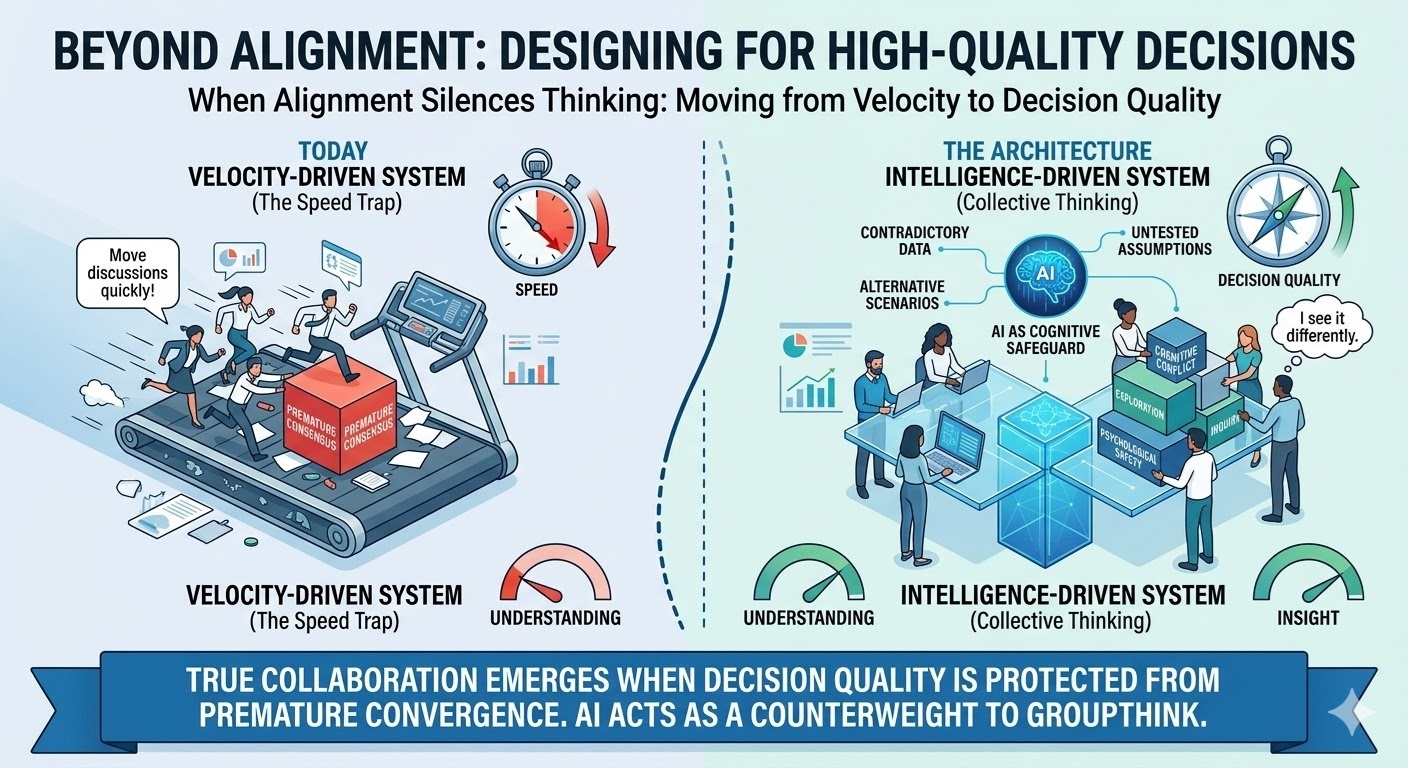
Why Intelligent Teams Sometimes Stop Challenging Ideas
Most organizations value collaboration.
Teams coordinate tasks, share information and move projects forward together.
Meetings are structured, updates are clear and decisions appear aligned.
From the outside, everything seems to function smoothly.
Yet inside many organizations, an important dynamic often goes unnoticed.
Ideas move forward without being sufficiently challenged.
Disagreement appears rarely.
Assumptions remain unexamined.
Early conclusions solidify quickly.
What appears to be alignment may simply be the absence of intellectual tension.
And without tension, collective thinking rarely reaches its full depth.
The Illusion of Productive Agreement
In complex projects, agreement often feels like progress.
Meetings conclude efficiently.
Discussions remain polite.
Decisions appear decisive.
But agreement reached too early can hide a deeper problem.
When perspectives converge before ideas are explored, teams may stop thinking before they fully understand the problem.
Coordination continues.
Understanding does not.
The difference between the two is subtle but significant.
Coordination moves work forward.
Collective thinking improves the quality of decisions.
The Speed–Understanding Trade-off
One reason disagreement disappears is pressure for speed.
Projects operate under deadlines, financial constraints and expectations for rapid progress.
Leaders often interpret quick convergence as efficiency.
Under these conditions, teams learn an implicit rule.
Move discussions toward agreement quickly.
The cost of this dynamic is rarely visible in dashboards.
Yet it affects decision quality.
When teams prioritize velocity over exploration, assumptions remain untested, alternative perspectives disappear and decisions may rest on incomplete understanding.
Efficiency increases.
Insight decreases.
The Decision Quality–Velocity Paradox
Organizations often assume that faster decisions improve performance.
In reality, decision velocity and decision quality do not always move in the same direction.
When conversations converge too quickly, teams may reach alignment before they reach understanding.
The result is a paradox:
Decisions move faster, but the reasoning behind them becomes shallower.
In complex environments, the real advantage rarely lies in making decisions quickly.
It lies in making decisions that integrate diverse perspectives, challenge assumptions and remain robust under uncertainty.
In other words, the challenge is not only decision speed.
It is decision quality.
The Hidden Role of Power
Hierarchy also shapes how freely ideas are challenged.
In organizations where authority is concentrated, questioning a decision may appear to challenge the person behind it.
Even when leaders encourage open dialogue, the structural asymmetry remains visible.
People read the room.
They observe which perspectives are welcomed and which slow the conversation.
Over time, a quiet form of self-censorship emerges.
Not because individuals lack ideas.
But because they understand the informal rules of the system.
Alignment becomes the safest contribution.
Not necessarily the most insightful one.
Creative Tension and Collective Thinking
High-performing teams recognize that disagreement can be constructive.
Research on team learning and psychological safety, including the work of Amy C. Edmondson, highlights the importance of distinguishing two very different forms of conflict.
Cognitive conflict concerns ideas, assumptions and interpretations.
Personal conflict targets individuals rather than the problem.
The first expands thinking.
The second damages trust.
When teams maintain this distinction, disagreement becomes a source of insight rather than disruption.
Different perspectives interact. Assumptions become visible.
Solutions evolve through dialogue.
This is the moment when collaboration moves beyond coordination and becomes collective intelligence.
Governance as Thinking Architecture
Whether such constructive tension appears often depends less on personality and more on structure.
Governance systems shape how teams reason together.
In many project environments, decision forums emphasize status reporting and rapid convergence.
Under these conditions, conversations tend to close quickly.
But governance can be designed differently.
Forums that allow exploration before convergence encourage deeper reasoning.
Retrospectives, design reviews and cross-functional problem-solving discussions create spaces where multiple perspectives can interact.
In this sense, governance becomes a form of thinking architecture.
It determines whether teams merely coordinate activity or integrate knowledge.
It also determines how organizations balance decision velocity and decision quality.
Systems optimized exclusively for speed tend to suppress exploration.
Systems designed for inquiry allow teams to examine complexity before committing to action.
AI as a Cognitive Safeguard
A new factor is beginning to influence this dynamic.
Artificial intelligence is often introduced as a tool for efficiency.
It summarizes information, analyzes data and accelerates decision processes.
Yet its most interesting contribution may lie elsewhere.
When integrated thoughtfully into decision forums, AI can function as a cognitive safeguard.
Unlike human participants, it is not influenced by hierarchy, reputation or social pressure to converge quickly.
It can surface contradictory data, highlight inconsistencies in reasoning and introduce alternative interpretations.
In this role, AI does not replace human judgement.
It protects the conditions under which judgement improves.
Automation accelerates tasks.
Augmentation expands thinking.
When used wisely, AI can act as a counterweight to premature convergence, helping teams consider information that might otherwise be ignored in the rush toward agreement.
Leadership and Structural Safety
Leaders play a central role in shaping these conditions.
Their responsibility is not simply to maintain harmony.
It is to protect the space where ideas can be questioned.
Leaders who encourage exploration before convergence, acknowledge uncertainty and distinguish critique of ideas from judgement of people send a powerful signal.
Inquiry is legitimate.
Over time, teams begin to experience what might be called structural safety – environments where questioning assumptions is not only tolerated but expected.
Reflection
Think about your last project meeting.
Did the discussion explore different perspectives long enough to challenge assumptions?
Or did consensus arrive quickly, allowing the conversation to move forward smoothly?
Alignment can feel productive.
But progress rarely begins there.
More often, it begins when someone in the room says:
“I see it differently.”
And the system around that conversation allows that voice to be heard.
Because in complex organizations the real challenge is not choosing between harmony and disagreement.
It is designing systems where decision velocity never comes at the expense of decision quality |
Posted on: March 10, 2026 04:31 PM
|
Permalink |
Comments (0)
|
"The greatest deception men suffer is from their own opinions."
- Leonardo Da Vinci
|




