How to Inspire Employees to Drive Change
From the Transformation & Leadership - Insider Tips Blog
by Jeffrey Martinez,
Nic Jain, Aung Sint

Today's world is influenced by change. Project managers and their organizations need to embrace and sometimes drive changes to keep up with the pace in highly competitive environments. In this blog, experienced professionals share their experiences, tips and tools to manage and exploit changes and take advantage of them. The blog is complimentary to the webinar series of the Change Management Community Team and is managed by the same individuals.
View Posts By:
Jeffrey Martinez
Nic Jain
Aung Sint
Past Contributors:
Luisa Cristini
Rob Bogue
Angela Montgomery
Carole Osterweil
Ruth Pearce
Amrapali Amrapali
John ORourke
Kavitha Gunasekaran
Ronald Sharpe
Ross Wirth
Steve Salisbury
Ryan Gottfredson
Walter Vandervelde
Tony Saldanha
Joseph Pusz
Vitaly Geyman
Recent Posts
How to do a webinar in our Change Management Community - Updated 2023!
Call for Volunteer - Transformation & Leadership
Why Projects Fail Due to Lack of Sponsorship
PM - A cheerleader, a manager or the captain of the team?
Stakeholder management in research: How to keep people engaged and interested in your project
Categories
3-generational workforce,
Agile,
Agility,
Authenticity,
Carole Osterweil,
change,
Change Management,
Change Resistance,
Character Strengths,
character strengths,
CIO,
communications management,
creative organization,
creativity,
creatvity,
Crisis management,
Culture,
curiosity,
Decision Making,
Design Thinking,
Digital Transformation,
Disruptive change,
Embracing change,
emotional intelligence,
Employee engagement,
Exponential,
first birthday,
Fourth Industrial Revolution,
Future-readiness,
Humanizing workplace interactions,
ideas,
Innovation,
innovation management,
innovative organization,
inovation,
Joe Pusz,
Leadership,
Leadership in 21st century,
Leading change,
Listening,
Luisa Cristini,
Management,
managing crisis,
Mental Maturity,
mentalhealth,
Mindsets,
modern project management,
Neuroscience,
New normal,
perspective,
PM,
PMI,
PMO,
pmo,
PMO Joe,
Project Delivery,
Project Management,
project management,
research and development,
Resilience,
risk management,
science management,
self-esteem,
Self-evolution,
social intelligence,
Sponsorship,
Stakeholder Management,
stakeholder management,
Stakeholder Management; Engagement; Appreciation,
Strengths-Based Project Management,
Sustainability,
systems thinking,
Teams,
Technologies,
The Great Reset,
Thought Leadership,
Transformant,
Transformative Leadership,
Transformative leadership,
Uncertainty,
Upskilling,
VUCA,
Walter Vandervelde,
Wise passivity,
Workspace dynamics
Date
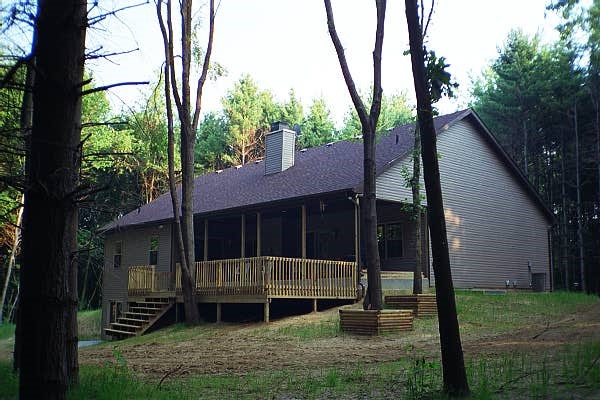
Some time ago, I had the opportunity to build a house. My builder told me that the typical house takes 160 days to complete – from groundbreaking to moving day. He then warned me that because the house was 700 feet off the main road, construction would take longer. Just how much longer, he would not commit.
I determined to reduce construction time. My plan was to stay engaged with the general contractor and treat the subcontractors like royalty. During construction, I went out to the house nearly every day. Often it was after work to evaluate progress and report findings to the general contractor. Normally the reports were positive. Occasionally there were small issues for him to address. One time there were electrical outlets in the wrong place; he fixed it. Once I found a wall six feet from where it was planned. The general contractor made it right and thanked me for identifying the issue so quickly.
At times, I would go to the site early in the morning before work, or during my lunch break. During these times, I took coffee, water, donuts, cookies, or pizza for the subcontractors. Later, I learned that these gestures created a sense of purpose and appreciation among the subcontractors. They wanted to help people build their dreams. They wanted to do good work and they wanted to feel like they were a part of something bigger than 8 – 10 hours of labor a day. I also discovered later that this worked to my advantage as many extras were added – at no cost.
There are two major lessons here. First, the sponsor of the project must be actively engaged in monitoring and guiding progress. Can you imagine the costs and delays if I hadn’t found the misplaced wall as early as I did? The second lesson is to engage and inspire your employees during change. I used donuts and coffee to share my passion for building the house in the woods, and in turn, the subcontractors felt like they were part of something bigger.
You might say, “Well, Steve, this is a nice story, but so what? You expended a lot of time and energy to supervise the construction, a job you delegated to the general contractor. But what were the real benefits?” We moved into the house in 140 days, the house met specifications, and the project came in under budget. How many of your projects achieve these kinds of results?
Call to Action: When you consider your next change initiative, be sure your sponsor plans time in her calendar to stay engaged with the project. Be sure she does more than attend the regular status meetings to stay informed. Instead, she can make a difference. She can talk to the employees doing the work or ask the project manager informally about progress. She can schedule lunches or other events during the project and not just to celebrate the end of the project.
Posted
by
Steve Salisbury
on: July 13, 2020 08:00 AM |
Permalink
Comments (2)
Please login or join to subscribe to this item
Very interesting., thanks for sharing
Please Login/Register to leave a comment.
|
"Interestingly, according to modern astronomers, space is finite. This is a very comforting thought--particularly for people who can never remember where they have left things."
- Woody Allen
|




