Viewing Posts by Steve Salisbury

Why Projects Fail Due to Lack of Sponsorship


|
Without a sponsor, your project will fail.
One company I worked with a few years ago initiated a large-scale, transformative change, which would impact how they went to market with some of their products and services. They had a great project structure, with project managers, administrators, and well-qualified technical support. They had a change and communications team that was well positioned to help them communicate about the change and prepare the organization. Ultimately, though, the project struggled for 2-3 years before senior executives decided to cancel the project. It failed to achieve most of the benefits they sought after.
What went wrong? There was insufficient leadership involvement. Yes, there were lower-level leaders who had an interest in the success of the project, but there was no single sponsor or sponsor coalition to hold the team accountable for results and mitigate project risks. One of the greatest risks which ultimately led to the end of the project was conflicting requirements of low-level leaders. I call this cross functional dysfunction.
Projects that have solid project management and change management teams cannot be successful without adequate sponsorship. They will suffer from these conditions:
Every project, regardless of size, requires a sponsor who is clear on their role as ultimate spokespersons for the change, and holds the project team accountable for delivery. The activities of a great sponsor include:
The organizational level of the sponsor depends on the breadth of the change. The rule of thumb is that ultimately, everyone significantly impacted by the change should have a direct reporting relationship to the sponsor. For example, if the change impacts everyone in the manufacturing operation, then the VP of Manufacturing would be the likely sponsor. If the change impacts everyone in accounting, then the Accounting Executive is the sponsor. You get the idea.
When your project structure includes solid sponsorship, at the right level, you will have a much better chance of achieving the intended results, thus driving the value you planned.
|

How Powerful Purpose Transforms
|
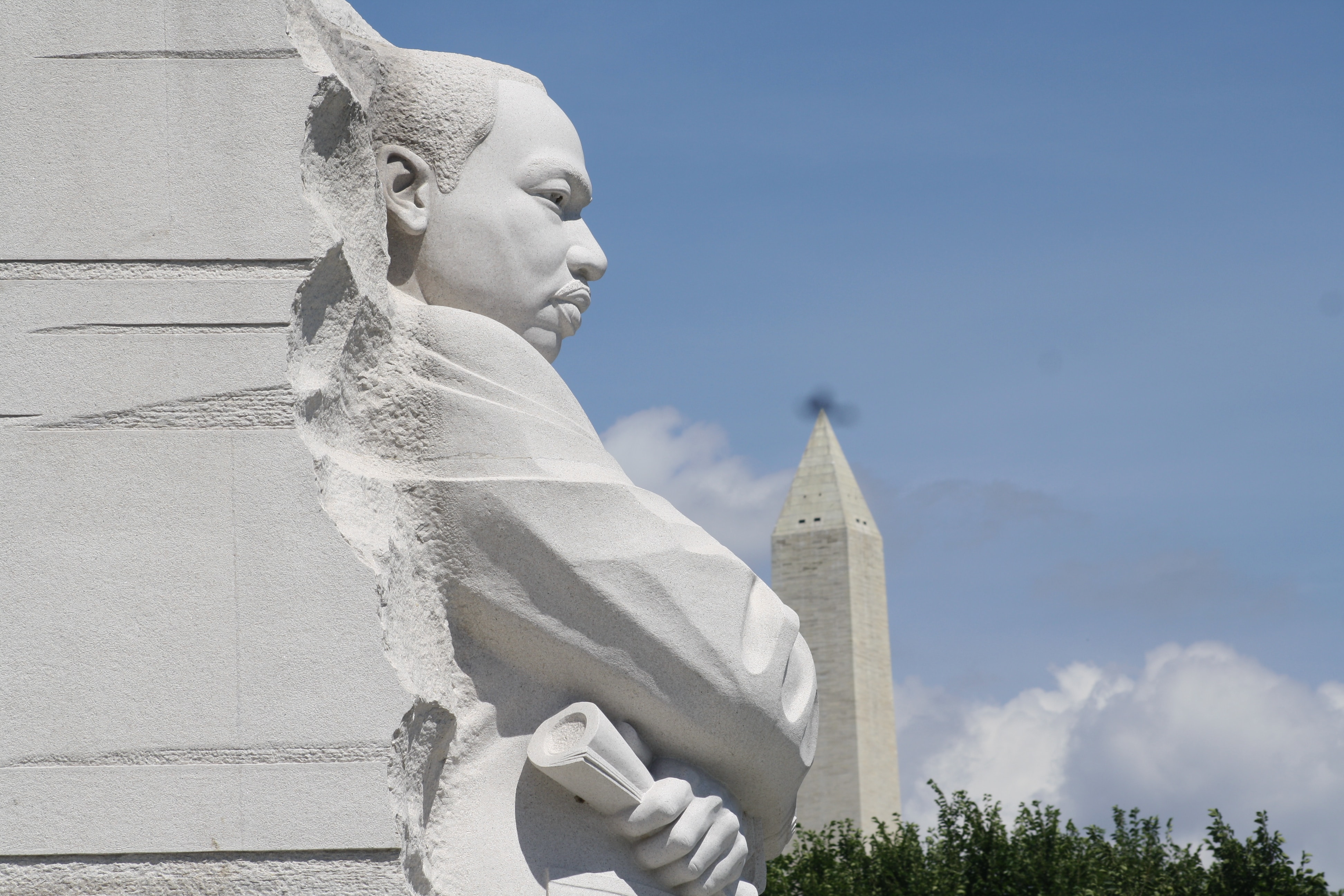
“I have a dream.”
Growing up in and around Chicago in the 1960s, I was exposed to the significant racial tensions and issues common in America at the time, and especially relevant to Chicago.
Anyone alive today should know the legacy of Martin Luther King, Jr. One man who did more to advocate for racial equality than anyone since perhaps Abraham Lincoln.
In 1966, King and the Southern Christian Leadership Conference (SCLC) announced plans for the Chicago Freedom Movement. This was a campaign to expand civil rights activities from the South to northern cities. King believed that “the moral force of SCLC’s nonviolent movement philosophy was needed to help eradicate a vicious system which seeks to further colonize thousands of Negroes within a slum environment” (King, 18 March 1966).
Of course, King is probably best and most widely know for his energizing and transforming speech, “I Have a Dream,” delivered on August 28, 1963, during the March on Washington for Jobs and Freedom. The speech was considered a defining moment in the civil rights movement and considered one of the most iconic speeches in American history.
Taken alone and without any context, the statement, “I have a dream,” means nothing. Most people have dreams. This statement is set apart, however, because it was part of a speech that was so powerful and so memorable, the phrase itself needs little contextualization today. King’s speech was clearly transformative, leading to civil rights legislation that ultimately changed the course of American history.
Martin Luther King Jr. was a man of clear purpose. He dedicated his live to his vision that America would truly be a land where “all men are created equal,” and securing progress on civil rights in the United States. Today we remember him for his commitment to his purpose, and we recognize the meaning of the title of his most famous speech, “I Have a Dream,” with little explanation.
Call to action: No matter your role – project manager, PMO leader, change manager and especially project executive or sponsor, be sure your purpose is clear. You don’t necessarily need a four-word slogan to sum it up, but your ability to clearly articulate your vision and purpose is vital to the success of your change.
Sources: https://en.wikipedia.org/wiki/I_Have_a_Dream https://en.wikipedia.org/wiki/Chicago_Freedom_Movement Photo credit: Woubishet Z. Taffese on Unsplash
|
We Are Now More Risk Adaptable
|
Photo by Cristofer Jeschke on Unsplash As a result of Covid-19, leaders will learn that it’s okay to take on more risk. In my eBook, “Activate: Profitable Strategy Execution,” I discuss performing a risk assessment to ensure successful change. It’s important to identify major risks associated with the readiness of the organization to embrace change. This might include, for example, evaluating pockets of resistance, or how quickly a remote work force might accept the change. As a result of Covid-19, organizations learned to become more flexible and adaptable, and do to so more quickly. In March 2020, there was insufficient time to prepare to move employees back home to work. Employees had little choice but to accept the situation. We learned to mobilize quickly around a crisis. This in turn gives leaders a chance to become more risk adaptable. They are more willing to try things faster, be less cautious, and remove needless layers of bureaucracy. In short, leaders are now able to take on more risk. This does not mean that we throw out all our stable processes, or our traditional risk management tools and standards. It does mean that we look at these through a new lens and ensure that we are leveraging the learnings from the pandemic to drive greater organizational capacity. One client determined that they needed additional technology to reach employees working from home differently and faster. The pandemic caused them to add these technologies more quickly. In the past they would have spent far more time evaluating different tools based on a set of criteria, and then making a well thought out selection. With the pandemic upon us, they had to make decisions quickly. They learned they don’t need to be as methodical, and they were able to deliver solutions to employees faster. How does this benefit the bottom line? The impact of the digital age means that companies must embrace greater innovation to provide the most value to customers and do it faster. The pandemic taught that greater risk-reward is possible, which in turn means generating more income sooner. Leaders have the opportunity now to be more assertive in their assessment of risk. It’s time to look more closely at processes and standards used to identify and manage risk. It’s time to realistically ask, “How can we do this faster and better,” now that we’ve seen for ourselves that we are more flexible and adaptable.
|

How to achieve great value
|
In my work advising leaders through major change and transformation projects in Fortune 150 organizations, I have distilled successful change to three underlying components.
Together these three components are essential for successful change and are required to drive the most value. When executed well, I’ve observed value targets exceeded.
When any one of these components are missing, you sub optimize the value of the change.
With any change, these items are critical. Now more than ever with employees working remotely, these principles become even more important to keep the organization together and focused on the end goal.
|

How to Inspire Employees to Drive Change
|
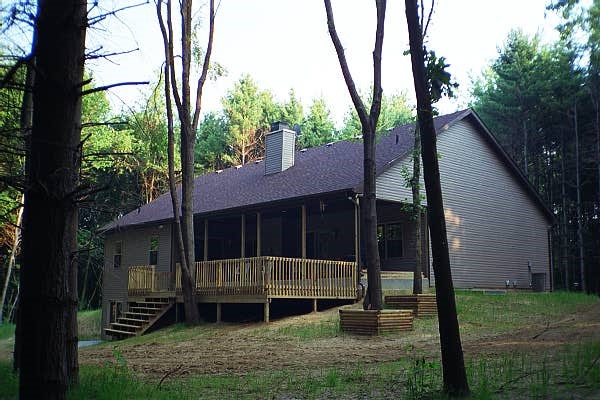
Some time ago, I had the opportunity to build a house. My builder told me that the typical house takes 160 days to complete – from groundbreaking to moving day. He then warned me that because the house was 700 feet off the main road, construction would take longer. Just how much longer, he would not commit. I determined to reduce construction time. My plan was to stay engaged with the general contractor and treat the subcontractors like royalty. During construction, I went out to the house nearly every day. Often it was after work to evaluate progress and report findings to the general contractor. Normally the reports were positive. Occasionally there were small issues for him to address. One time there were electrical outlets in the wrong place; he fixed it. Once I found a wall six feet from where it was planned. The general contractor made it right and thanked me for identifying the issue so quickly. At times, I would go to the site early in the morning before work, or during my lunch break. During these times, I took coffee, water, donuts, cookies, or pizza for the subcontractors. Later, I learned that these gestures created a sense of purpose and appreciation among the subcontractors. They wanted to help people build their dreams. They wanted to do good work and they wanted to feel like they were a part of something bigger than 8 – 10 hours of labor a day. I also discovered later that this worked to my advantage as many extras were added – at no cost. There are two major lessons here. First, the sponsor of the project must be actively engaged in monitoring and guiding progress. Can you imagine the costs and delays if I hadn’t found the misplaced wall as early as I did? The second lesson is to engage and inspire your employees during change. I used donuts and coffee to share my passion for building the house in the woods, and in turn, the subcontractors felt like they were part of something bigger. You might say, “Well, Steve, this is a nice story, but so what? You expended a lot of time and energy to supervise the construction, a job you delegated to the general contractor. But what were the real benefits?” We moved into the house in 140 days, the house met specifications, and the project came in under budget. How many of your projects achieve these kinds of results? Call to Action: When you consider your next change initiative, be sure your sponsor plans time in her calendar to stay engaged with the project. Be sure she does more than attend the regular status meetings to stay informed. Instead, she can make a difference. She can talk to the employees doing the work or ask the project manager informally about progress. She can schedule lunches or other events during the project and not just to celebrate the end of the project.
|