


Perspective <> knowledge
I remember as a small child traveling on the bus with my grandmother. She was old and looked wise and knowledgeable. People would ask her, “Can you tell me how to get to… [fill in the desired destination]?”
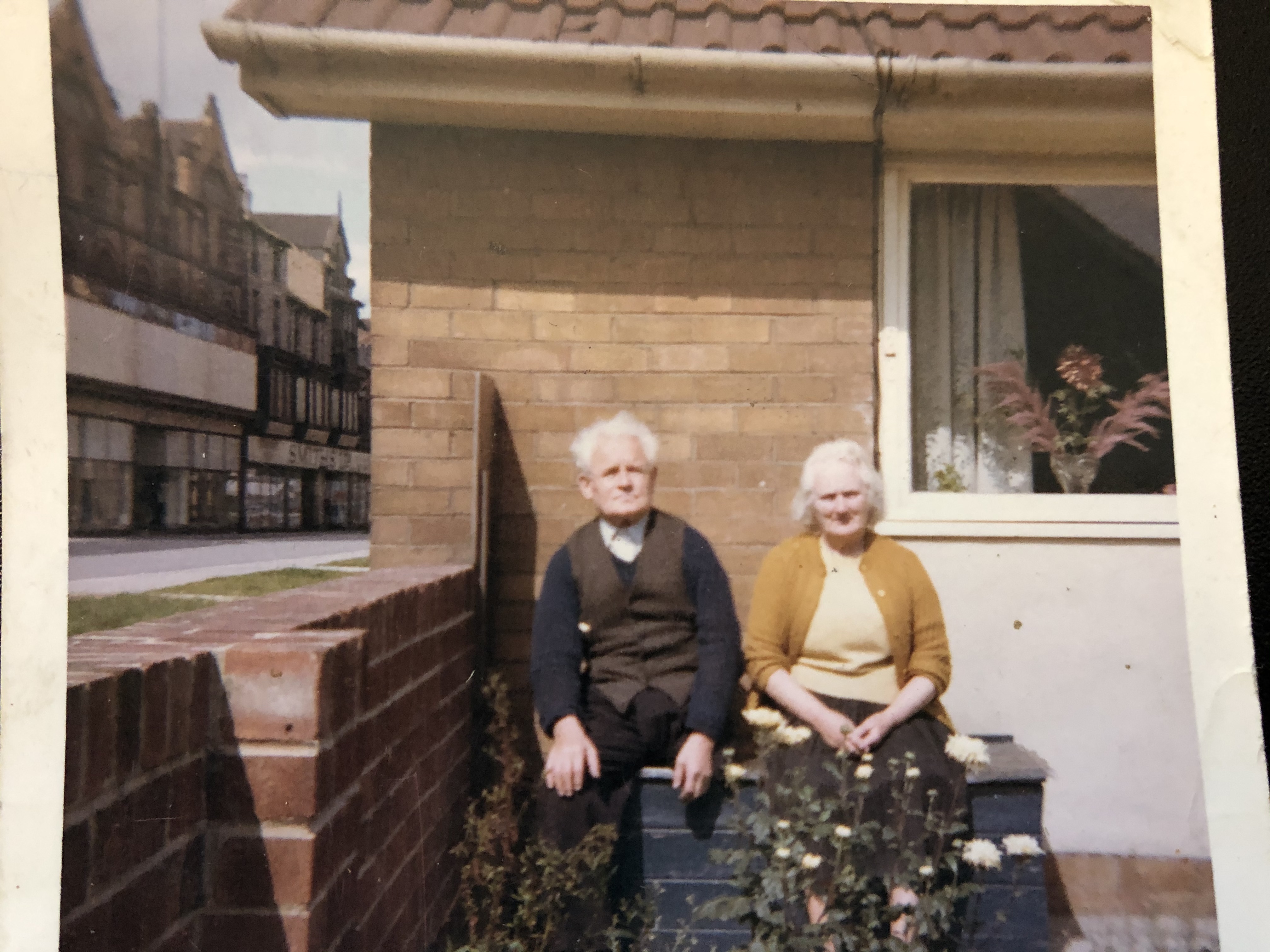
The truth was that she really stayed in a very small area of the town in England where she lived. But rather than say “I am sorry, I don’t know” she would say, shaking her head from side to side sadly, “Oh, you can’t get there from here”.
I would go home and tell my father the sorry tale and he would smile indulgently at my grandmother and then show me on a printed map of the town where the aforementioned location was in relation to where we had been. I learned to read maps that way.
In this case, “you can’t get there from here” was shorthand for, “I cannot help you.” Or, more accurately, “I cannot get you there from here.”
My grandmother’s perspective was that if she did not know the answer there was no answer.
Perspective + Judgment < Perspective + Curiosity
Twenty years later I was a student at Bath University in England, and I was walking in town. Bath is built in the hollow between seven hills and the traffic system was, at the time, well, a little confusing. A car pulled up and the driver rolled down the window and he asked, “can you tell me how to get to the Theatre Royal?” I looked across the pedestrian precinct directly at the theater and found myself saying, “Oh you can’t get there from here, not by car anyway.”
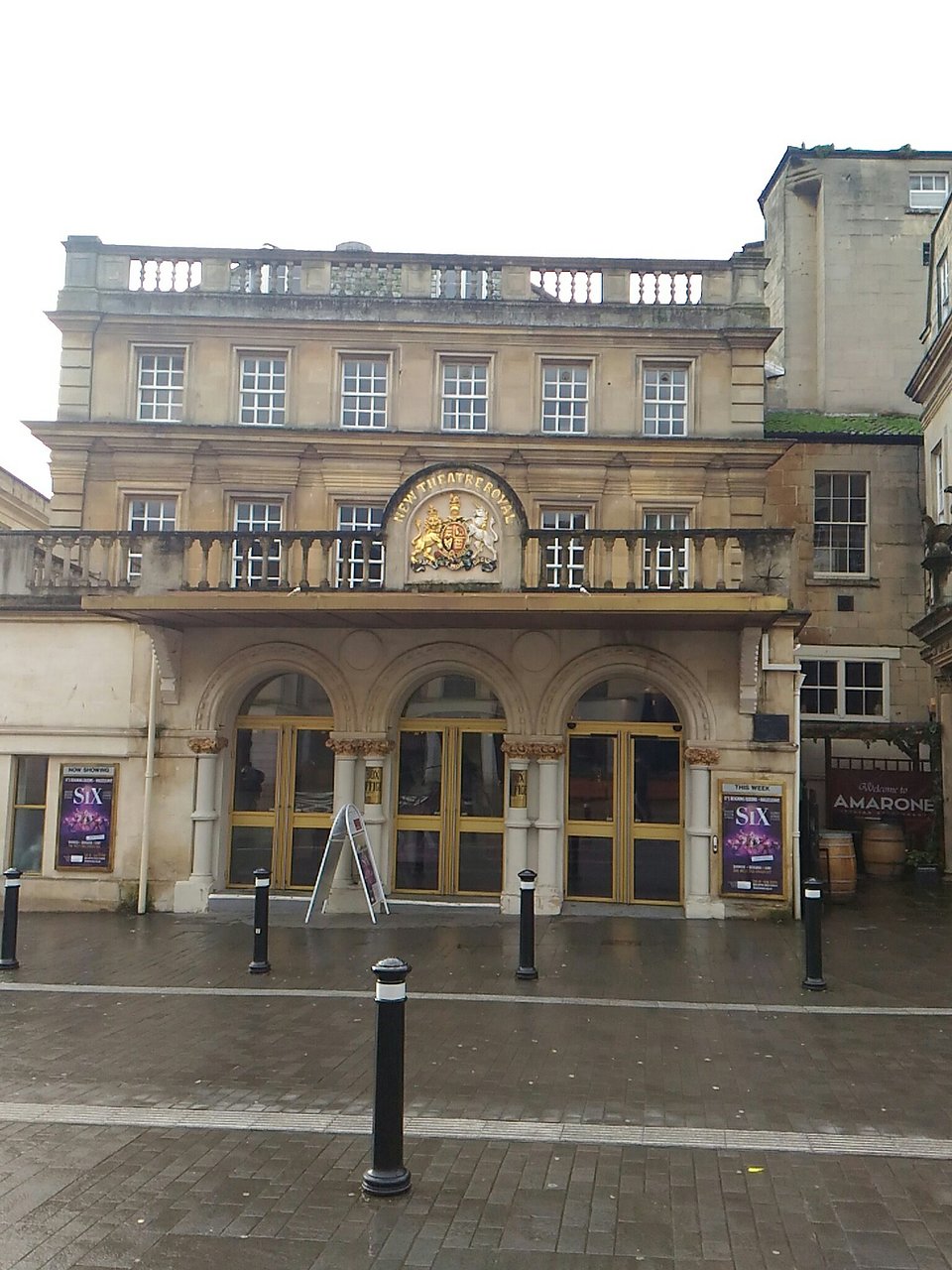
Needless to say, the driver looked bemused and slightly irritated. I suggested that he park right where he was and walk to the theater. But he explained that he was collecting his elderly mother from the matinée and she could not walk far.
I went on to explain that although the theatre was less than 50 yards away from where he was talking to me, the route to get a CAR to the theatre was laborious to say the least. He would actually have to drive out of town, take a major highway around the outside of town, come in from the opposite side, navigate the one-way system, before he would end up outside the theater. A three-minute walk was going to turn into a 15- to 20-minute drive.
In this case, “you can’t get there from here” meant “you can get there from here, but is it really worth the effort?”
Assessing whether the effort is worth the result depends on perspective. My perspective was it was not worth the drive. His perspective was, “I have no choice because of other constraints”.
I made a judgment without gathering all the facts. With some curiosity I could have discovered that there was more to the story.
Perspective + curiosity + teamwork -> a new reality
Later I became a project manager and the second project I was assigned to was to evaluate the efficacy of a particular IT project that was being implemented in London and whether that IT solution should be rolled out to the New York branch of our bank.
When I arrived in the office, I was given a ‘guided tour” of the software. It had been sold to the bank as “totally configurable”. To this day those words give me chills – and not in a good way. That is, every switch, option, combination of fields, process etc. could be switched on and off based on the needs of the consumer.
If you have ever gathered business requirements from consumers/users, you will understand that it is very difficult to imagine what could be. As Henry Ford famously said, “If I had asked people what they wanted, they would have said faster horses.” It is really rare and really difficult to imagine something that might get you to an end result in a totally different – and more efficient – way than the method you are currently using.
Destination vs route to get there.
For example, one of the staff at the bank “needed” to have trade confirmations and matching addressed envelopes printed off so that he could stuff the envelopes and mail out the confirmations at the end of the day. When he asked how that would be set up in the system, they confirmed that they could link to the print room and do exactly what he asked.
After the set-up had been completed, his supervisor came to see how testing was going and was dismayed to discover that the system had been set up to use the old-style printing rather than a tri-fold confirmation/envelope printout that could be folded and sealed by the spiffy new printer in the printer room. He had conflated the end result with the route – what was needed was a trade confirmation in the hands of the customer within a given timeframe.
When asked whether the system could be reconfigured to use the new process, the software vendor said, “you can’t change it now”. (I.e., we cannot get there from here!)
Had we had a map, been curious about the destinations we want to reach (i.e., outcomes needed) instead of the routes to get there, had we had an expert guide, and had we worked as a team, that IT system implementation could have been a game changer for the bank. Instead, it was a very expensive, overwhelmingly daunting system. We ultimately came to the conclusion that WE could not get there from here. We did not have the resources, the expertise, the vision or even the real need to change our existing processes. It was the most expensive journey to nowhere that I have ever traveled.
Three questions to help gain better perspective:
- Who has already been where I want to go?
- What questions should I be asking to uncover the most effective route?
- Who do I/we need to help me/us?




