How Powerful Purpose Transforms
From the Transformation & Leadership - Insider Tips Blog
by Jeffrey Martinez,
Nic Jain, Aung Sint

Today's world is influenced by change. Project managers and their organizations need to embrace and sometimes drive changes to keep up with the pace in highly competitive environments. In this blog, experienced professionals share their experiences, tips and tools to manage and exploit changes and take advantage of them. The blog is complimentary to the webinar series of the Change Management Community Team and is managed by the same individuals.
View Posts By:
Jeffrey Martinez
Nic Jain
Aung Sint
Past Contributors:
Luisa Cristini
Rob Bogue
Angela Montgomery
Carole Osterweil
Ruth Pearce
Amrapali Amrapali
John ORourke
Kavitha Gunasekaran
Ronald Sharpe
Ross Wirth
Steve Salisbury
Ryan Gottfredson
Walter Vandervelde
Tony Saldanha
Joseph Pusz
Vitaly Geyman
Recent Posts
How to do a webinar in our Change Management Community - Updated 2023!
Call for Volunteer - Transformation & Leadership
Why Projects Fail Due to Lack of Sponsorship
PM - A cheerleader, a manager or the captain of the team?
Stakeholder management in research: How to keep people engaged and interested in your project
Categories
3-generational workforce,
Agile,
Agility,
Authenticity,
Carole Osterweil,
change,
Change Management,
Change Resistance,
Character Strengths,
character strengths,
CIO,
communications management,
creative organization,
creativity,
creatvity,
Crisis management,
Culture,
curiosity,
Decision Making,
Design Thinking,
Digital Transformation,
Disruptive change,
Embracing change,
emotional intelligence,
Employee engagement,
Exponential,
first birthday,
Fourth Industrial Revolution,
Future-readiness,
Humanizing workplace interactions,
ideas,
Innovation,
innovation management,
innovative organization,
inovation,
Joe Pusz,
Leadership,
Leadership in 21st century,
Leading change,
Listening,
Luisa Cristini,
Management,
managing crisis,
Mental Maturity,
mentalhealth,
Mindsets,
modern project management,
Neuroscience,
New normal,
perspective,
PM,
PMI,
PMO,
pmo,
PMO Joe,
Project Delivery,
Project Management,
project management,
research and development,
Resilience,
risk management,
science management,
self-esteem,
Self-evolution,
social intelligence,
Sponsorship,
Stakeholder Management,
stakeholder management,
Stakeholder Management; Engagement; Appreciation,
Strengths-Based Project Management,
Sustainability,
systems thinking,
Teams,
Technologies,
The Great Reset,
Thought Leadership,
Transformant,
Transformative Leadership,
Transformative leadership,
Uncertainty,
Upskilling,
VUCA,
Walter Vandervelde,
Wise passivity,
Workspace dynamics
Date
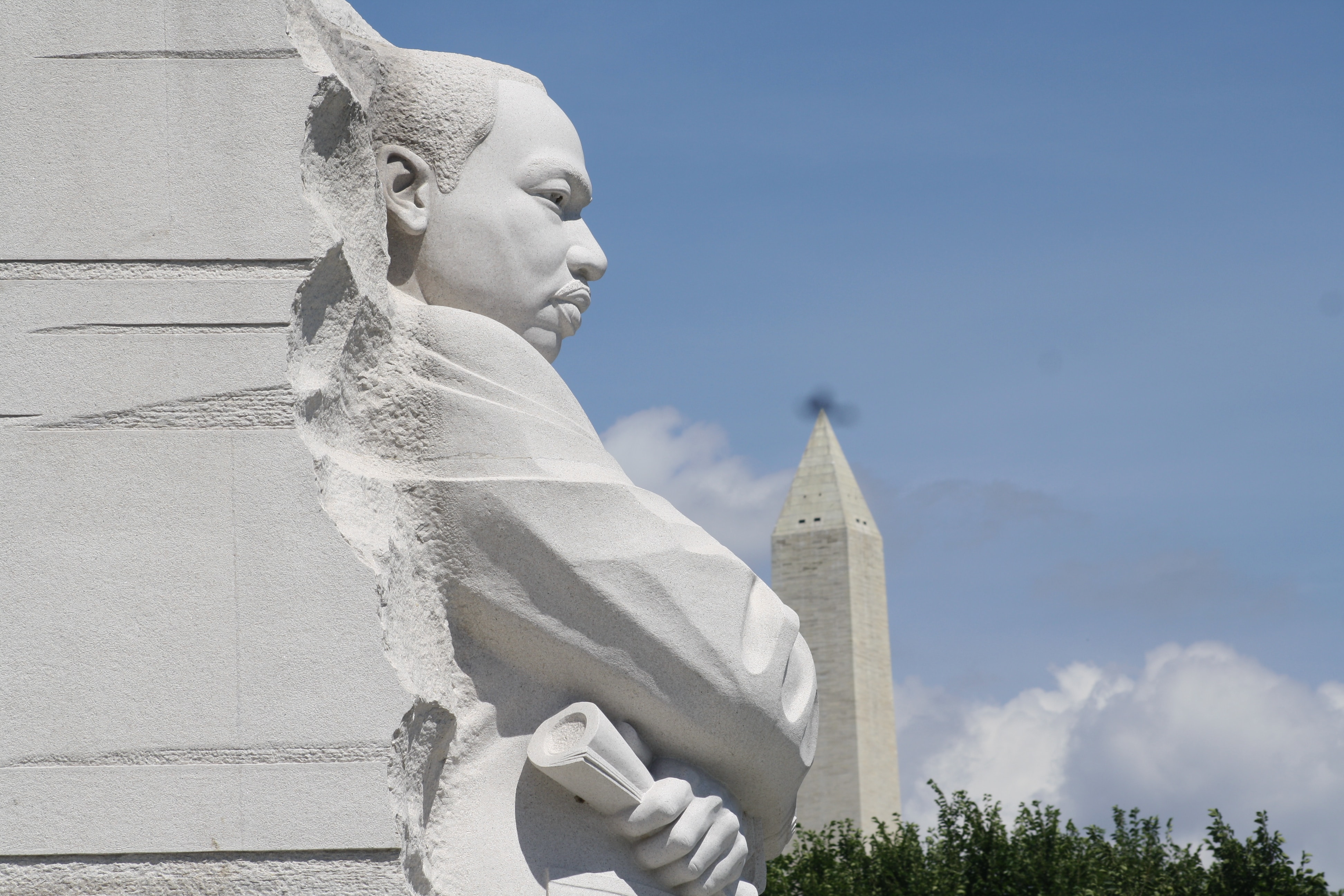
“I have a dream.”
Growing up in and around Chicago in the 1960s, I was exposed to the significant racial tensions and issues common in America at the time, and especially relevant to Chicago.
Anyone alive today should know the legacy of Martin Luther King, Jr. One man who did more to advocate for racial equality than anyone since perhaps Abraham Lincoln.
In 1966, King and the Southern Christian Leadership Conference (SCLC) announced plans for the Chicago Freedom Movement. This was a campaign to expand civil rights activities from the South to northern cities. King believed that “the moral force of SCLC’s nonviolent movement philosophy was needed to help eradicate a vicious system which seeks to further colonize thousands of Negroes within a slum environment” (King, 18 March 1966).
Of course, King is probably best and most widely know for his energizing and transforming speech, “I Have a Dream,” delivered on August 28, 1963, during the March on Washington for Jobs and Freedom. The speech was considered a defining moment in the civil rights movement and considered one of the most iconic speeches in American history.
Taken alone and without any context, the statement, “I have a dream,” means nothing. Most people have dreams. This statement is set apart, however, because it was part of a speech that was so powerful and so memorable, the phrase itself needs little contextualization today. King’s speech was clearly transformative, leading to civil rights legislation that ultimately changed the course of American history.
Martin Luther King Jr. was a man of clear purpose. He dedicated his live to his vision that America would truly be a land where “all men are created equal,” and securing progress on civil rights in the United States. Today we remember him for his commitment to his purpose, and we recognize the meaning of the title of his most famous speech, “I Have a Dream,” with little explanation.
Call to action: No matter your role – project manager, PMO leader, change manager and especially project executive or sponsor, be sure your purpose is clear. You don’t necessarily need a four-word slogan to sum it up, but your ability to clearly articulate your vision and purpose is vital to the success of your change.
Sources:
https://en.wikipedia.org/wiki/I_Have_a_Dream
https://en.wikipedia.org/wiki/Chicago_Freedom_Movement
Photo credit: Woubishet Z. Taffese on Unsplash
Posted
by
Steve Salisbury
on: March 08, 2021 10:14 AM |
Permalink
Comments (3)
Please login or join to subscribe to this item

Luis Branco
CEO| Business Insight, Consultores de Gestão, Ldª
Carcavelos, Lisboa, Portugal
Dear Steve
Interesting this theme that brought to our reflection and debate
Thanks for sharing
We agree. For everything in life we need a "why". Be it at a personal level or at an organizational level
To be a mobilizer you need to contain some "ingredients"

Kwiyuh Michael Wepngong
 Community Champion
Financial Management Specialist | US Peace Corps
Yaounde, Centre, Cameroon
Please Login/Register to leave a comment.
|
"Live as if you were to die tomorrow. Learn as if you were to live forever."
- Mahatma Gandhi
|





