


Guessing is not a strategy: How to build decision velocity with AI and real-time data
June 10, 2026 | Live Webinar

Autonomous vehicles: when 90% done means nowhere near ready
The accidental path to Project Management
What history reveals about AI and the Project Manager profession
When results aren’t enough: Rethinking Leadership
The Sagrada Família: A living Project Management case study
74-343, Agile, Agile, Artificial Intelligence, basadur, Budget Management, Career Development, Certification, Change Management, Change; Change management; Team management, Chapter, Communications Management, Complexity, conceptualizer, Cost Management, data management, Decision Making, Estimating, Ethics, generator, Giga Projects, Goal Setting, Governance, Human touch, implementer, Leadership, Lessons Learned, machine learning, MS Project 2013, Negotation, New Practitioners, optimizer, Organizational behavior, Organizational Culture, personal growth, pharmaceutical; lifecyle management; agile; waterfall, PMI, Problem solving, Product Owner, Project Communication, Project Management, PSM I, PSPO, Resource Management, Risk Management, Scheduling, Scope Management, Scrum, self-development, Stakeholder management, Strategy, Teams, test, training, Volunteering


In the past few weeks, I’ve watched several documentaries that left me shaken and reflective. These weren’t about natural disasters or distant conflicts—they were about human-made catastrophes that could have been avoided. What struck me was how often these tragedies were rooted in poor project decisions driven by cost-cutting. As a project manager, it’s deeply unsettling to see how choices made in a boardroom or on a spreadsheet can ripple out to impact—sometimes end—people’s lives.
In this post, I want to reflect on a few cases where decisions to reduce costs ended up costing lives, and why we, as project professionals, must never forget our responsibility to safeguard the people affected by our work—directly and indirectly.
1. Grenfell Tower fire: Tragedy wrapped in flammable cladding
In 2017, a devastating fire engulfed Grenfell Tower in London, killing 72 people. At the heart of the disaster was a refurbishment decision that prioritized cost over safety. A cheaper, flammable cladding material was used in the building’s facade renovation. Despite numerous warnings and concerns from residents, their voices were ignored.
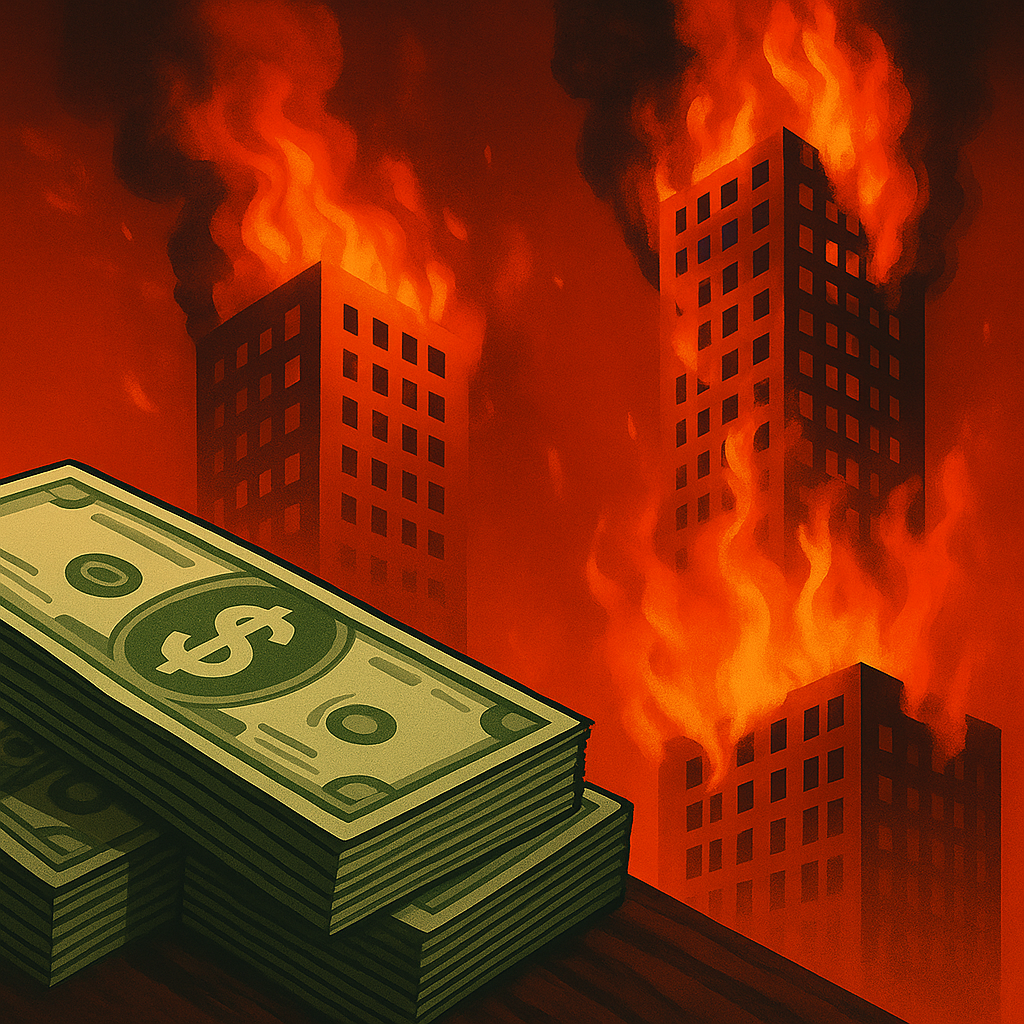 Investigations revealed that project decisions had been made under financial pressure—saving around £300,000 by switching to the cheaper cladding option. This tragic example shows how budget constraints, when not balanced with safety, can have horrific consequences.
2. Boeing 737 MAX: A race against time, at the cost of transparency
The Boeing 737 MAX crashes in 2018 and 2019, which killed 346 people, are another sobering case. Boeing made design changes to the 737 to compete quickly with the Airbus A320neo. A key addition was the MCAS software, which pilots weren’t adequately trained on—or even made aware of.
Internal pressures to deliver a cost-effective aircraft quickly, and without requiring expensive pilot retraining, led to a lack of transparency and critical safety oversights. Here, cost and time-to-market took precedence over thorough testing and pilot preparedness—with fatal results.
3. Ford Pinto: Cost-Benefit analysis over human life
A classic (and chilling) example from the 1970s is the Ford Pinto. During development, it was discovered that the fuel tank design made the car highly susceptible to explosions in rear-end collisions. Engineers had solutions to make the vehicle safer, but they would add a cost of about $11 per vehicle.
Internal memos revealed that Ford conducted a cost-benefit analysis, concluding that paying legal settlements for an estimated number of deaths would be cheaper than redesigning the car. The result? At least 27 people were killed in fiery accidents, and Ford’s reputation suffered irreparable damage.
The Project Manager’s Ethical Compass
These stories aren’t just about bad decisions. They’re about culture—where budget and timeline are prioritized over people’s lives. As project managers, we hold a pivotal role in shaping not just deliverables, but also how those deliverables affect the world.
Simon Sinek, in his book Leaders Eat Last, introduces the idea of “abstraction.” He explains that when the people affected by our decisions are reduced to data points, targets, or “line items” in a spreadsheet, we lose our emotional connection to them. It becomes easier to justify risky shortcuts or to ignore concerns because we no longer see the human beings behind the numbers. In large, complex projects, this detachment can be dangerously seductive.
We might be developing a product or managing a construction site, but at the other end of that project are people—real people, with names, families, and futures that can be profoundly impacted by our choices.
This is why ethics must sit at the core of our profession. The PMI Code of Ethics and Professional Conduct reminds us that we have a duty to act responsibly, to protect the public, and to put safety before profit. The "Responsibility" principle explicitly calls for taking ownership of decisions and their consequences—especially when those decisions can affect the lives and welfare of others.
Safety, ethics, and transparency aren’t optional checkboxes. They are non-negotiable responsibilities. We must champion a mindset where cutting costs is never done at the expense of human lives—whether it’s the people building the product or those using it. That means asking hard questions, pushing back when something doesn’t feel right, and keeping the bigger picture in focus—even when it’s uncomfortable.
Because at the end of the day, success isn’t just delivering a project on time and under budget. It’s delivering something we can stand behind—knowing it didn’t put lives at risk or turn people into abstractions.


Please Login/Register to leave a comment.
|
"Comedy is tragedy - plus time." - Carol Burnett |