Viewing Posts by Steve Salisbury

Demystifying Sponsorship
Categories:
Sponsorship
Categories: Sponsorship


|
Quite frequently I hear project managers or change agents on a project team express concern about a lack of sponsorship for their projects. When I ask them what they need, however, they don’t always know how to articulate their concerns into a tangible need that an executive can act upon. Sponsors play three important roles.
Participating directly in the project: Sponsors hold people accountable to adapt to the change. They work with their staff to ensure people are ready for the change. Sponsors allocate staff, training, or other resources as required. They also remove barriers to change by resolving issues and helping the organization adapt to risk. Engage other sponsors. Great sponsors engage other leaders to buy into and support the change. They build relationships across the organization to drive success. Sponsors equip other sponsors with communications, resources or other tools to help accomplish the purpose of the change. Communicate broadly throughout the organization. In my experience, this is the most overlooked yet often one of the easiest actions sponsors can take to affect change. They look for opportunities to talk about the change, the value of the change, and how the organization should engage to embrace the change. They also talk about the risk of not changing and the impact this might have on the organization’s long-term viability. Effective sponsors engage others in this dialog. It’s important that they not only share information, but that they listen to how the change is impacting their teams. This feedback can be a powerful influence, giving employees a method of adjusting how the change is implemented. If you are a project manager or play a role as a change agent on a project team, be sure your sponsor is fulfilling these responsibilities. Oftentimes, sponsors need help understanding their role in change. Most sponsors are smart leaders, but they have a full-time job running an organization and do not always know the details regarding how to support a change. You can help identify risks and issues. You provide insight to the sponsor about where greater engagement might be needed. You can also with communications, aligning leaders, and engaging the front-line in deploying the change. It takes a village, as they say, and between well-equipped, active sponsors, and change agents on the project team, you have a much greater chance to enjoy success.
|

Driving a transformation doesn’t stop when you implement the change
Categories:
Sustainability
Categories: Sustainability
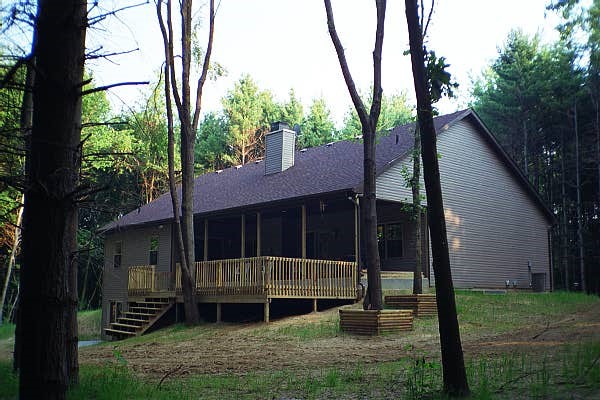
| “Just plan the project through go-live!” I recently had a conversation with a colleague working on a major transformation for a well-known Fortune 50. She told me that she was expressly told to only plan for work up through the launch of the change. This is a big mistake; let me explain. After I built and moved into my new home years ago, the builder presented me with a certificate explaining that the construction carried with it a five-year guarantee. They would take care of anything that went wrong with the house. Period. In the first few weeks I found a few minor issues. One door wasn’t closing correctly, and the builder promptly came out to repair it. Another time while I was away for the weekend, my son decided to enjoy an afternoon on the back porch and grilled up a juicy T-bone steak. He forgot to move the grill away from the house and voila, we had about 20 square feet of melted siding. My builder replaced the siding at no charge. When you make an investment in a transformation, it’s likely that you will spend much more than I did building this house. Yet many project managers consider their work done when the transformation is launched. Who is going to be around to make sure the change is institutionalized? How do you ensure that people permanently adopt the change and alter the way they need to work? How will you know that you are receiving the greatest value for your investment? Depending on the nature of the transformation, there are numerous ways you can ensure the systematic adoption of the change.
Putting these features in place will help you achieve the value you had planned, and in many cases, will drive even greater value. This greater value results from you paying more attention to the change far beyond that initial launch, and your employees finding ways to implement improvements beyond those originally planned.
|
How transformational leadership and organizational change management work together to drive phenomenal results
|
Leaders use OCM to provide a structured approach to leading the organization through a transformation or a large-scale change. There are, however, several prerequisites necessary for OCM to be successful. These are elements of transformational leadership.
With these elements in place, a strong OCM plan can be established and executed. OCM leverages these elements by providing and executing:
All of this combines to create a winning formula to drive phenomenal success, often exceeding targets. Call to action: As you consider your next transformation, think about these points. Have you done the work necessary to prepare your organization – starting with your leadership team – to drive success? Have you activated the team and set the stage to accelerate the work?
|
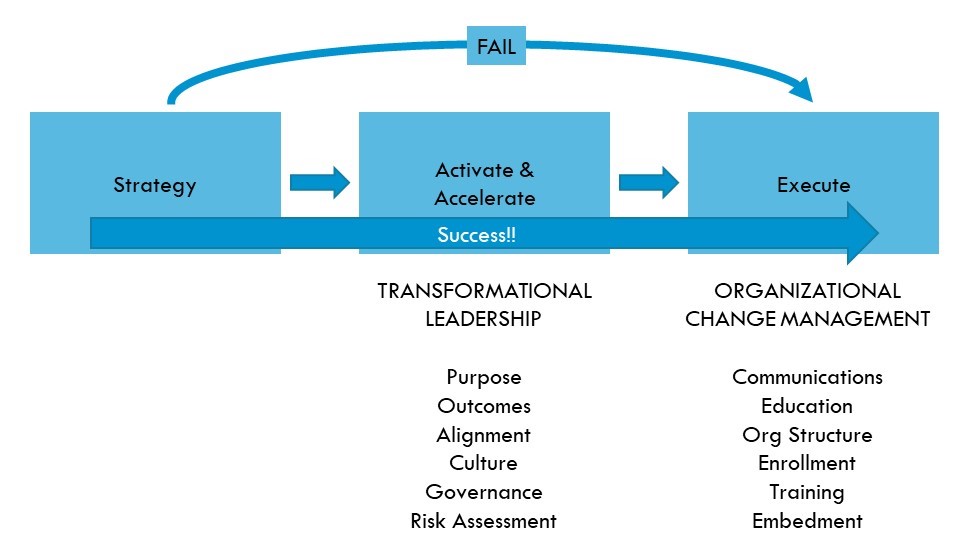 Working for years with senior executives driving transformational change, I’ve observed that sometimes leaders jump directly from strategy to execution without doing necessary preparation to activate and accelerate implementation within their organization. This preparation requires transformational leadership skills to transition from strategy to execution. I have also observed that organizational change management (OCM) cannot take the place of or make up for a lack of transformational leadership.
Lessons in Sponsoring Change
Categories:
Sponsorship
Categories: Sponsorship
|
A few years ago, I decided to hire a general contractor to build a house for me. The contractor, Ron, told me that the typical house takes 160 days to complete - from groundbreaking to occupancy. He then warned me that because the house was 700 feet off the main road in a heavily wooded area, construction would take longer. Just how much longer, he would not commit. I determined to reduce construction time. My plan was to stay engaged with the Ron and treat the subcontractors like royalty. During construction, I went out to the house nearly every day. Often it was after work to evaluate progress and report findings to Ron. Normally the reports were positive. Occasionally there were small issues for him to address. One time there were electrical outlets in the wrong place; he fixed it. Once I found a wall six feet from where it was planned. Ron made it right and thanked me for identifying the issue so quickly. At times, I would go to the site early in the morning before work, or during my lunch break. During these times, I took coffee, water, donuts, cookies or pizza for the subcontractors. Later, I learned that these gestures created a sense of purpose and appreciation among the subcontractors. They wanted to help people build their dreams. They wanted to do good work and they wanted to feel like they were a part of something bigger than eight hours of labor a day. I also discovered later that this worked to my advantage as many extras were added - at no cost. There are two major lessons here. First, the sponsor of a project must be actively engaged in monitoring and guiding progress. Can you imagine the costs and delays if I hadn't found the misplaced wall as early as I did? The second lesson is to engage and inspire your employees during change. I used donuts and coffee to share my passion for building the house in the woods, and in turn, the subcontractors felt like they were part of something bigger. You might say, "Well, Steve, this is a nice story, but so what? You expended a lot of time and energy to supervise the construction, a job you delegated to the general contractor, Ron. But what were the real benefits?" We moved into the house in 140 days, the house met specifications, and the project came in under budget. How many of your projects achieve these kinds of results? Call to Action: When you consider your next change initiative, as a sponsor, plan time in your calendar to stay engaged with the project. Think about more than just attending the regular status meetings to stay informed. Instead, make a difference. Talk to the employees doing the work. Ask the project manager informally about progress. Schedule lunches or other events during the project and not just to celebrate the end of the project. Dedicated to your profitable transformation, Steve
|