Driving a transformation doesn’t stop when you implement the change
From the Transformation & Leadership - Insider Tips Blog
by Jeffrey Martinez,
Nic Jain, Aung Sint

Today's world is influenced by change. Project managers and their organizations need to embrace and sometimes drive changes to keep up with the pace in highly competitive environments. In this blog, experienced professionals share their experiences, tips and tools to manage and exploit changes and take advantage of them. The blog is complimentary to the webinar series of the Change Management Community Team and is managed by the same individuals.
View Posts By:
Jeffrey Martinez
Nic Jain
Aung Sint
Past Contributors:
Luisa Cristini
Rob Bogue
Angela Montgomery
Carole Osterweil
Ruth Pearce
Amrapali Amrapali
John ORourke
Kavitha Gunasekaran
Ronald Sharpe
Ross Wirth
Steve Salisbury
Ryan Gottfredson
Walter Vandervelde
Tony Saldanha
Joseph Pusz
Vitaly Geyman
Recent Posts
How to do a webinar in our Change Management Community - Updated 2023!
Call for Volunteer - Transformation & Leadership
Why Projects Fail Due to Lack of Sponsorship
PM - A cheerleader, a manager or the captain of the team?
Stakeholder management in research: How to keep people engaged and interested in your project
Categories
3-generational workforce,
Agile,
Agility,
Authenticity,
Carole Osterweil,
change,
Change Management,
Change Resistance,
Character Strengths,
character strengths,
CIO,
communications management,
creative organization,
creativity,
creatvity,
Crisis management,
Culture,
curiosity,
Decision Making,
Design Thinking,
Digital Transformation,
Disruptive change,
Embracing change,
emotional intelligence,
Employee engagement,
Exponential,
first birthday,
Fourth Industrial Revolution,
Future-readiness,
Humanizing workplace interactions,
ideas,
Innovation,
innovation management,
innovative organization,
inovation,
Joe Pusz,
Leadership,
Leadership in 21st century,
Leading change,
Listening,
Luisa Cristini,
Management,
managing crisis,
Mental Maturity,
mentalhealth,
Mindsets,
modern project management,
Neuroscience,
New normal,
perspective,
PM,
PMI,
PMO,
pmo,
PMO Joe,
Project Delivery,
Project Management,
project management,
research and development,
Resilience,
risk management,
science management,
self-esteem,
Self-evolution,
social intelligence,
Sponsorship,
Stakeholder Management,
stakeholder management,
Stakeholder Management; Engagement; Appreciation,
Strengths-Based Project Management,
Sustainability,
systems thinking,
Teams,
Technologies,
The Great Reset,
Thought Leadership,
Transformant,
Transformative Leadership,
Transformative leadership,
Uncertainty,
Upskilling,
VUCA,
Walter Vandervelde,
Wise passivity,
Workspace dynamics
Date
“Just plan the project through go-live!”
I recently had a conversation with a colleague working on a major transformation for a well-known Fortune 50. She told me that she was expressly told to only plan for work up through the launch of the change. This is a big mistake; let me explain.
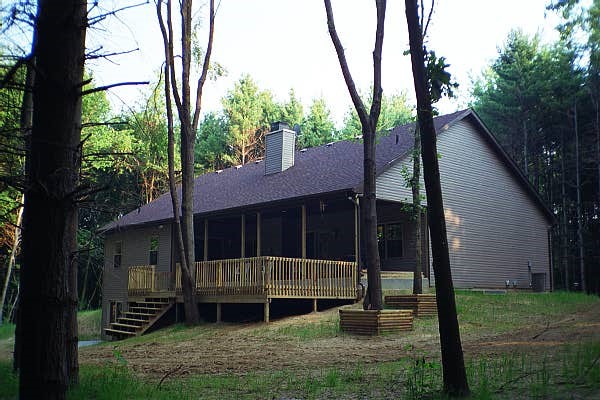
After I built and moved into my new home years ago, the builder presented me with a certificate explaining that the construction carried with it a five-year guarantee. They would take care of anything that went wrong with the house. Period. In the first few weeks I found a few minor issues. One door wasn’t closing correctly, and the builder promptly came out to repair it. Another time while I was away for the weekend, my son decided to enjoy an afternoon on the back porch and grilled up a juicy T-bone steak. He forgot to move the grill away from the house and voila, we had about 20 square feet of melted siding. My builder replaced the siding at no charge.
When you make an investment in a transformation, it’s likely that you will spend much more than I did building this house. Yet many project managers consider their work done when the transformation is launched. Who is going to be around to make sure the change is institutionalized? How do you ensure that people permanently adopt the change and alter the way they need to work? How will you know that you are receiving the greatest value for your investment? Depending on the nature of the transformation, there are numerous ways you can ensure the systematic adoption of the change.
- Change people’s measures to include metrics about the use of new behaviors, processes, or systems.
- Put change agents in place at various levels in the organization to answer questions and help resolve issues. Be sure they proactively reach out to their constituents.
- Ensure your leaders are asking questions about issues and results long after launch. Be sure they are equipped with resources to address these challenges.
Putting these features in place will help you achieve the value you had planned, and in many cases, will drive even greater value. This greater value results from you paying more attention to the change far beyond that initial launch, and your employees finding ways to implement improvements beyond those originally planned.
Posted
by
Steve Salisbury
on: September 05, 2019 12:30 PM |
Permalink
Comments (4)
Please login or join to subscribe to this item

Alexandre Costa
Scrum Master| Integer Consulting - Pictet technologies
Loures, Portugal
Thanks for sharing your thoughts.
inspiring article on transformation

Aaron Porter
 Community Champion
IT Director| Blade HQ
Payson, UT, United States
While there are exceptions, if, like me, you do not work for a third party software/service provider, your projects should come from the business. There should be a sponsor driving the work that desires ongoing value from the investment in the project. At a former employer, I was assigned to more than one project that didn't have a business sponsor. Implementation and adoption were a challenge when the intended recipients of the deliverables didn't have to use them, and didn't want them.
In my new position, I am socializing the concept of a value realization plan. Development of this plan starts during planning, but it isn't finalized until closer to the end of the project because of the potential for change and learning new things over the course of the project. As part of this plan, someone from the business (sponsor, business process owner???) is identified as responsible for tracking the value realization, over time.
Since very few projects realized their full potential value the day they are launched, you need to identify milestones for when value is expected to be realized, and contingency plans for slippage. We haven't figured out, yet, how long this needs to occur. Maybe until ROI is realized? I don't see it being the same amount of time for each project.
I suppose a project manager could do this, but making PMs responsible for long term business results, instead of having them work on new projects, seems like it changes the definition of what it means to be a project manager.
Simple concise yet thoughtful insights thank you for sharing!
Please Login/Register to leave a comment.
|
"Work is what you do for others . . . art is what you do for yourself."
- Stephen Sondheim
|




