Support to Develop
by Luis Branco

This blog addresses management-related topics and has three areas of focus: 1. Technical skills; 2. Competencies in the field of interpersonal relations and communication (including personal organization and delegation, leadership, teamwork, conflict resolution, conducting meetings, and negotiation); and 3. Strategy (including diagnosis, strategic guidelines, and implementation).4.Technology
Recent Posts
What Must Exist Even When No Single Role Owns the Whole?
PHASE 4 – THE EMERGENCE
When Structural Drift Becomes Consequential
Implementation Is Not Realization
The Human Burden of Integrative Work
Categories
Agile,
Career Development,
Career Development,
Career Development,
Career Development,
Career Development,
Career Development,
Career Development,
Career Development,
Career Development,
Career Development,
Career Development,
Career Development,
Career Development,
Career Development,
Career Development,
Career Development,
Career Development,
Career Development,
Career Development,
Career Development,
Career Development,
Career Development,
Career Development,
Career Development,
Career Development,
Career Development,
Career Development,
Career Development,
Career Development,
Career Development,
Career Development,
Career Development,
Career Development,
Career Development,
Career Development,
Career Development,
Career Development,
Career Development,
Career Development,
Career Development,
Career Development,
Career Development,
Career Development,
Career Development,
Career Development,
Career Development,
Career Development,
Career Development,
Career Development,
Career Development,
Career Development,
Career Development,
Career Development,
Career Development,
Career Development,
Career Development,
Career Development,
Career Development,
Career Development,
Career Development,
Career Development,
Career Development,
Career Development,
Career Development,
Career Development,
Career Development,
Career Development,
Career Development,
Career Development,
Career Development,
Career Development,
Career Development,
Career Development,
Career Development,
Career Development,
Career Development,
Career Development,
Career Development,
Career Development,
Career Development,
Career Development,
Career Development,
Career Development,
Career Development,
Career Development,
Career Development,
Career Development,
Career Development,
Career Development,
Career Development,
Career Development,
Career Development,
Career Development,
Career Development,
Career Development,
Career Development,
Career Development,
Career Development,
Career Development,
Career Development,
Career Development,
Career Development,
Career Development,
Career Development,
Career Development,
Career Development,
Career Development,
Career Development,
Career Development,
Career Development,
Career Development,
Career Development,
Career Development,
Career Development,
Career Development,
Career Development,
Career Development,
Career Development,
Career Development,
Career Development,
Career Development,
Career Development,
Education,
Governance,
Governance,
Governance,
Governance,
Governance,
Governance,
Governance,
Governance,
Governance,
Governance,
Governance,
Governance,
Governance,
Governance,
Governance,
Governance,
Governance,
Governance,
Governance,
In,
Integration Management,
Interpersonal Skills,
Interpersonal Skills,
Interpersonal Skills,
Interpersonal Skills,
Interpersonal Skills,
Interpersonal Skills,
Interpersonal Skills,
Interpersonal Skills,
Interpersonal Skills,
Interpersonal Skills,
Interpersonal Skills,
Interpersonal Skills,
Interpersonal Skills,
Interpersonal Skills,
Interpersonal Skills,
Interpersonal Skills,
Interpersonal Skills,
Interpersonal Skills,
Interpersonal Skills,
Interpersonal Skills,
Interpersonal Skills,
Interpersonal Skills,
Interpersonal Skills,
Interpersonal Skills,
Interpersonal Skills,
Interpersonal Skills,
Interpersonal Skills,
Interpersonal Skills,
Interpersonal Skills,
Interpersonal Skills,
Interpersonal Skills,
Interpersonal Skills,
Interpersonal Skills,
Interpersonal Skills,
Interpersonal Skills,
Interpersonal Skills,
Interpersonal Skills,
Interpersonal Skills,
Interpersonal Skills,
Interpersonal Skills,
Interpersonal Skills,
Interpersonal Skills,
Interpersonal Skills,
Interpersonal Skills,
Interpersonal Skills,
Interpersonal Skills,
Interpersonal Skills,
Interpersonal Skills,
Interpersonal Skills,
Interpersonal Skills,
Interpersonal Skills,
Interpersonal Skills,
Interpersonal Skills,
Interpersonal Skills,
Interpersonal Skills,
Interpersonal Skills,
Interpersonal Skills,
Interpersonal Skills,
Interpersonal Skills,
Interpersonal Skills,
Interpersonal Skills,
Interpersonal Skills,
Interpersonal Skills,
Interpersonal Skills,
Interpersonal Skills,
Interpersonal Skills,
Interpersonal Skills,
Interpersonal Skills,
Interpersonal Skills,
Interpersonal Skills,
Interpersonal Skills,
Interpersonal Skills,
Interpersonal Skills,
Interpersonal Skills,
Interpersonal Skills,
Interpersonal Skills,
Interpersonal Skills,
Interpersonal Skills,
Interpersonal Skills,
Interpersonal Skills,
Interpersonal Skills,
Interpersonal Skills,
Interpersonal Skills,
Interpersonal Skills,
Interpersonal Skills,
Interpersonal Skills,
Interpersonal Skills,
Interpersonal Skills,
Interpersonal Skills,
Interpersonal Skills,
Interpersonal Skills,
Interpersonal Skills,
Interpersonal Skills,
Interpersonal Skills,
Interpersonal Skills,
Interpersonal Skills,
Interpersonal Skills,
Interpersonal Skills,
Interpersonal Skills,
Interpersonal Skills,
Interpersonal Skills,
Interpersonal Skills,
Interpersonal Skills,
Interpersonal Skills,
Interpersonal Skills,
Interpersonal Skills,
Interpersonal Skills,
Interpersonal Skills,
Interpersonal Skills,
Interpersonal Skills,
Interpersonal Skills,
Interpersonal Skills,
Interpersonal Skills,
Interpersonal Skills,
Interpersonal Skills,
Interpersonal Skills,
Interpersonal Skills,
Interpersonal Skills,
Interpersonal Skills,
Interpersonal Skills,
Interpersonal Skills,
Interpersonal Skills,
Knowledge Management,
le,
lea,
Leadership,
Leadership,
Leadership,
Leadership,
Leadership,
Leadership,
Leadership,
Leadership,
Leadership,
Leadership,
Leadership,
Leadership,
Leadership,
Leadership,
Leadership,
Leadership,
Leadership,
Leadership,
Leadership,
Leadership,
Leadership,
Leadership,
Leadership,
Leadership,
Leadership,
Leadership,
Leadership,
Leadership,
Leadership,
Leadership,
Leadership,
Leadership,
Leadership,
Leadership,
Leadership,
Leadership,
Leadership,
Leadership,
Leadership,
Leadership,
Leadership,
Leadership,
Leadership,
Leadership,
Leadership,
Leadership,
Leadership,
Leadership,
Leadership,
Leadership,
Leadership,
Leadership,
Leadership,
Leadership,
Leadership,
Leadership,
Leadership,
Leadership,
Leadership,
Leadership,
Leadership,
Leadership,
Leadership,
Leadership,
Leadership,
Leadership,
Leadership,
Leadership,
Leadership,
Leadership,
Leadership,
Leadership,
Leadership,
Leadership,
Leadership,
Leadership,
Leadership,
Leadership,
Leadership,
Leadership,
Leadership,
Leadership,
Leadership,
Leadership,
Leadership,
Leadership,
Leadership,
Leadership,
Leadership,
Leadership,
Leadership,
Leadership,
Leadership,
Leadership,
Leadership,
Leadership,
Leadership,
Leadership,
Leadership,
Leadership,
Leadership,
Leadership,
Leadership,
Leadership,
Leadership,
Leadership,
Leadership,
Leadership,
Leadership,
Leadership,
Leadership,
Leadership,
Leadership,
Leadership,
Leadership,
Leadership,
Leadership,
Leadership,
Leadership,
Leadership,
Leadership,
Leadership,
Leadership,
or,
Organizational Project Management,
Portfolio Management,
Program,
Program Management,
Strategy,
Strategy,
Strategy,
Strategy,
Strategy,
Strategy,
Strategy,
Strategy,
Strategy,
Strategy,
Strategy,
Strategy,
Strategy,
Strategy,
Strategy,
Strategy,
Strategy,
Strategy,
Strategy,
Strategy,
Strategy,
Strategy,
Strategy,
Strategy,
Strategy,
Strategy,
Strategy,
Strategy,
Strategy,
Strategy,
Strategy,
Strategy,
Strategy,
Strategy,
Strategy,
Strategy,
Strategy,
Strategy,
Strategy,
Strategy,
Strategy,
Strategy,
Strategy,
Strategy,
Strategy,
Strategy,
Strategy,
Strategy,
Strategy,
Strategy,
Strategy,
Strategy,
Strategy,
Strategy,
Strategy,
Strategy,
Strategy,
Strategy,
Strategy,
Strategy,
Strategy,
Strategy,
Strategy,
Strategy,
Strategy,
Strategy,
Strategy,
Strategy,
Strategy,
Strategy,
Strategy,
Strategy,
Strategy,
Strategy,
Strategy,
Strategy,
Strategy,
Strategy,
Strategy,
Strategy,
Strategy,
Strategy,
Strategy,
Strategy,
Strategy,
Strategy,
Strategy,
Strategy,
Strategy,
Strategy,
Strategy,
Strategy,
Strategy,
Strategy,
Strategy,
Strategy,
Strategy,
Strategy,
Strategy,
Strategy,
Strategy,
Strategy,
Strategy,
Strategy,
Strategy,
Strategy,
Strategy,
Strategy,
Strategy,
Strategy,
Strategy,
Strategy,
Strategy,
Strategy,
Strategy,
Strategy,
Strategy,
Strategy,
Strategy,
Strategy,
Strategy,
Strategy,
Strategy,
Sustainability,
Talent Management,
Talent Management,
Talent Management,
Talent Management,
Talent Management,
Talent Management,
Talent Management,
Talent Management,
Talent Management,
Talent Management,
Talent Management,
Talent Management,
Talent Management,
Talent Management,
Talent Management,
Talent Management,
Talent Management,
Talent Management,
Talent Management,
Talent Management,
Talent Management,
Talent Management,
Talent Management,
Talent Management,
Talent Management,
Talent Management,
Talent Management,
Talent Management,
Talent Management,
Talent Management,
Talent Management,
Talent Management,
Talent Management,
Talent Management,
Talent Management,
Talent Management,
Talent Management,
Talent Management,
Talent Management,
Talent Management,
Talent Management,
Talent Management,
Talent Management,
Talent Management,
Talent Management,
Talent Management,
Talent Management,
Talent Management,
Talent Management,
Talent Management,
Talent Management,
Talent Management,
Talent Management,
Talent Management,
Talent Management,
Talent Management,
Talent Management,
Talent Management,
Talent Management,
Talent Management,
Talent Management,
Talent Management,
Talent Management,
Talent Management,
Talent Management,
Talent Management,
Talent Management,
Talent Management,
Talent Management,
Talent Management,
Talent Management,
Talent Management,
Talent Management,
Talent Management,
Talent Management,
Talent Management,
Talent Management,
Talent Management,
Talent Management,
Talent Management,
Talent Management,
Talent Management,
Talent Management,
Talent Management,
Talent Management,
Talent Management,
Talent Management,
Talent Management,
Talent Management,
Talent Management,
Talent Management,
Talent Management,
Talent Management,
Talent Management,
Talent Management,
Talent Management,
Talent Management,
Talent Management,
Talent Management,
Talent Management,
Talent Management,
Talent Management,
Talent Management,
Talent Management,
Talent Management,
Talent Management,
Talent Management,
Talent Management,
Talent Management,
Talent Management,
Talent Management,
Talent Management,
Talent Management,
Talent Management,
Talent Management,
Talent Management,
Talent Management,
Talent Management,
Talent Management,
Talent Management,
Talent Management,
Talent Management,
Talent Management
Date
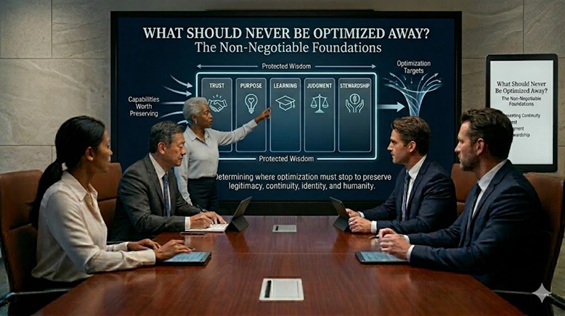
The Non-Negotiable Foundations of AI-Native Organizations
Modern organizations are increasingly designed to optimize.
Optimize cost.
Optimize speed.
Optimize efficiency.
Optimize productivity.
Optimize resource allocation.
Optimize customer acquisition.
Optimize operational performance.
Optimize decision-making.
Optimize almost everything.
In many respects, optimization has become the dominant logic of contemporary management.
And for good reason.
Optimization creates value.
It reduces waste.
Improves performance.
Expands capability.
Increases competitiveness.
Strengthens adaptability.
Yet optimization contains a paradox that organizations rarely discuss openly.
Because optimization always requires a target.
A metric.
A variable.
A desired outcome.
And what organizations choose to optimize inevitably influences what they become.
This is where an uncomfortable question begins to emerge.
What happens when optimization itself becomes the primary objective?
The answer is rarely immediate.
Organizations do not suddenly lose their identity.
They do not abruptly abandon their values.
They do not consciously decide to sacrifice what matters most.
The process is usually far more subtle.
Incremental.
Reasonable.
Difficult to detect.
Each optimization appears justified.
Each adjustment appears rational.
Each trade-off appears defensible.
Yet over time, something begins to change.
The organization becomes increasingly efficient.
But progressively less aligned with the principles that once guided it.
This is how optimization drift often begins.
Not through bad intentions.
But through the accumulation of locally rational decisions that gradually erode globally important qualities.
Trust may be sacrificed for efficiency.
Learning may be sacrificed for speed.
Purpose may be sacrificed for growth.
Judgment may be sacrificed for automation.
Stewardship may be sacrificed for short-term performance.
None of these choices typically appear catastrophic in isolation.
The danger emerges through accumulation.
This challenge becomes increasingly important in AI-native environments.
Because artificial intelligence dramatically increases the organizational capacity to optimize.
Systems continuously analyze.
Recommend.
Prioritize.
Predict.
Adapt.
Automate.
And improve performance.
These capabilities are enormously valuable.
But they also create a new governance responsibility.
The responsibility to distinguish between:
What should be optimized.
And what should be protected.
Because not everything valuable should become an optimization target.
Some organizational capabilities function differently.
They exist not to maximize performance.
But to preserve legitimacy.
Continuity.
Identity.
Humanity.
This distinction may become one of the defining governance challenges of AI-native organizations.
Because the future will not be constrained primarily by access to intelligence.
The future challenge may be preserving the wisdom required to determine where optimization should stop.
Consider trust.
Trust often appears inefficient.
Trust requires dialogue.
Patience.
Transparency.
Relationship building.
Shared understanding.
None of these activities maximize short-term efficiency.
Yet organizations without trust eventually struggle to coordinate effectively.
Trust is not an optimization variable.
Trust is an enabling condition.
The same applies to purpose.
Purpose cannot always be reduced to performance metrics.
Purpose provides direction.
Meaning.
Legitimacy.
Without purpose, optimization becomes increasingly detached from significance.
Learning presents a similar challenge.
Learning requires experimentation.
Reflection.
Failure.
Exploration.
Redundancy.
Many of these activities appear inefficient when evaluated through purely operational metrics.
Yet organizations that stop learning eventually lose their adaptive capacity.
Judgment also deserves protection.
Because judgment introduces something optimization cannot fully replicate.
Interpretation.
Context.
Responsibility.
Accountability.
Optimization can recommend.
Judgment must decide.
The same is true for stewardship.
Stewardship rarely focuses on immediate performance.
It focuses on continuity.
Legacy.
Long-term viability.
The preservation of conditions that future generations will inherit.
This is why stewardship often appears inefficient in the short term.
And indispensable in the long term.
Taken together, these elements reveal something important.
The most valuable organizational capabilities are not always those that maximize output.
Many exist precisely because they protect the conditions that make sustainable performance possible.
Trust.
Purpose.
Learning.
Judgment.
Stewardship.
These are not obstacles to optimization.
They are boundaries that prevent optimization from becoming destructive.
This is why mature governance requires more than performance oversight.
It requires the capacity to determine which principles remain non-negotiable.
Which values deserve protection.
Which capabilities should never be sacrificed regardless of efficiency gains.
Which dimensions of organizational life must remain beyond optimization itself.
This responsibility becomes increasingly important as artificial intelligence continues expanding organizational capability.
Because intelligence can reveal what is possible.
Optimization can improve performance.
But neither can independently determine what remains worth protecting.
That responsibility belongs to governance.
And ultimately to human judgment.
The purpose of governance is not merely to enable optimization.
The purpose of governance is to determine where optimization must stop.
The future of AI-native organizations may therefore depend on a capability that receives far less attention than intelligence itself.
The ability to recognize that not everything valuable exists to be optimized.
Some things exist to be preserved.
Because organizations do not lose themselves when they fail to optimize everything.
They lose themselves when they forget what they were trying to protect in the first place.
And if organizational wisdom exists to preserve what matters most, an equally important question emerges.
Who remains accountable for protecting it when intelligent systems become increasingly autonomous? |
Posted on: July 10, 2026 04:50 AM
|
Permalink |
Comments (2)
|
"If nominated I will not run, if elected I will not serve"
- General William T. Sherman
|




