Support to Develop
by Luis Branco

This blog addresses management-related topics and has three areas of focus: 1. Technical skills; 2. Competencies in the field of interpersonal relations and communication (including personal organization and delegation, leadership, teamwork, conflict resolution, conducting meetings, and negotiation); and 3. Strategy (including diagnosis, strategic guidelines, and implementation).4.Technology
Recent Posts
Regenerative Learning: Turning Experience into Organizational Capability
Delegation with Purpose: Building Autonomy and Developing Capability
RCPCV™: A Method for Decision-Making and Continuous Improvement
The Same Change Can Succeed and Fail at the Same Time
What Must Exist Even When No Single Role Owns the Whole?
Categories
Agile,
Career Development,
Career Development,
Career Development,
Career Development,
Career Development,
Career Development,
Career Development,
Career Development,
Career Development,
Career Development,
Career Development,
Career Development,
Career Development,
Career Development,
Career Development,
Career Development,
Career Development,
Career Development,
Career Development,
Career Development,
Career Development,
Career Development,
Career Development,
Career Development,
Career Development,
Career Development,
Career Development,
Career Development,
Career Development,
Career Development,
Career Development,
Career Development,
Career Development,
Career Development,
Career Development,
Career Development,
Career Development,
Career Development,
Career Development,
Career Development,
Career Development,
Career Development,
Career Development,
Career Development,
Career Development,
Career Development,
Career Development,
Career Development,
Career Development,
Career Development,
Career Development,
Career Development,
Career Development,
Career Development,
Career Development,
Career Development,
Career Development,
Career Development,
Career Development,
Career Development,
Career Development,
Career Development,
Career Development,
Career Development,
Career Development,
Career Development,
Career Development,
Career Development,
Career Development,
Career Development,
Career Development,
Career Development,
Career Development,
Career Development,
Career Development,
Career Development,
Career Development,
Career Development,
Career Development,
Career Development,
Career Development,
Career Development,
Career Development,
Career Development,
Career Development,
Career Development,
Career Development,
Career Development,
Career Development,
Career Development,
Career Development,
Career Development,
Career Development,
Career Development,
Career Development,
Career Development,
Career Development,
Career Development,
Career Development,
Career Development,
Career Development,
Career Development,
Career Development,
Career Development,
Career Development,
Career Development,
Career Development,
Career Development,
Career Development,
Career Development,
Career Development,
Career Development,
Career Development,
Career Development,
Career Development,
Career Development,
Career Development,
Career Development,
Career Development,
Career Development,
Career Development,
Career Development,
Education,
Governance,
Governance,
Governance,
Governance,
Governance,
Governance,
Governance,
Governance,
Governance,
Governance,
Governance,
Governance,
Governance,
Governance,
Governance,
Governance,
Governance,
Governance,
Governance,
Governance,
Governance,
Governance,
Governance,
In,
Integration Management,
Interpersonal Skills,
Interpersonal Skills,
Interpersonal Skills,
Interpersonal Skills,
Interpersonal Skills,
Interpersonal Skills,
Interpersonal Skills,
Interpersonal Skills,
Interpersonal Skills,
Interpersonal Skills,
Interpersonal Skills,
Interpersonal Skills,
Interpersonal Skills,
Interpersonal Skills,
Interpersonal Skills,
Interpersonal Skills,
Interpersonal Skills,
Interpersonal Skills,
Interpersonal Skills,
Interpersonal Skills,
Interpersonal Skills,
Interpersonal Skills,
Interpersonal Skills,
Interpersonal Skills,
Interpersonal Skills,
Interpersonal Skills,
Interpersonal Skills,
Interpersonal Skills,
Interpersonal Skills,
Interpersonal Skills,
Interpersonal Skills,
Interpersonal Skills,
Interpersonal Skills,
Interpersonal Skills,
Interpersonal Skills,
Interpersonal Skills,
Interpersonal Skills,
Interpersonal Skills,
Interpersonal Skills,
Interpersonal Skills,
Interpersonal Skills,
Interpersonal Skills,
Interpersonal Skills,
Interpersonal Skills,
Interpersonal Skills,
Interpersonal Skills,
Interpersonal Skills,
Interpersonal Skills,
Interpersonal Skills,
Interpersonal Skills,
Interpersonal Skills,
Interpersonal Skills,
Interpersonal Skills,
Interpersonal Skills,
Interpersonal Skills,
Interpersonal Skills,
Interpersonal Skills,
Interpersonal Skills,
Interpersonal Skills,
Interpersonal Skills,
Interpersonal Skills,
Interpersonal Skills,
Interpersonal Skills,
Interpersonal Skills,
Interpersonal Skills,
Interpersonal Skills,
Interpersonal Skills,
Interpersonal Skills,
Interpersonal Skills,
Interpersonal Skills,
Interpersonal Skills,
Interpersonal Skills,
Interpersonal Skills,
Interpersonal Skills,
Interpersonal Skills,
Interpersonal Skills,
Interpersonal Skills,
Interpersonal Skills,
Interpersonal Skills,
Interpersonal Skills,
Interpersonal Skills,
Interpersonal Skills,
Interpersonal Skills,
Interpersonal Skills,
Interpersonal Skills,
Interpersonal Skills,
Interpersonal Skills,
Interpersonal Skills,
Interpersonal Skills,
Interpersonal Skills,
Interpersonal Skills,
Interpersonal Skills,
Interpersonal Skills,
Interpersonal Skills,
Interpersonal Skills,
Interpersonal Skills,
Interpersonal Skills,
Interpersonal Skills,
Interpersonal Skills,
Interpersonal Skills,
Interpersonal Skills,
Interpersonal Skills,
Interpersonal Skills,
Interpersonal Skills,
Interpersonal Skills,
Interpersonal Skills,
Interpersonal Skills,
Interpersonal Skills,
Interpersonal Skills,
Interpersonal Skills,
Interpersonal Skills,
Interpersonal Skills,
Interpersonal Skills,
Interpersonal Skills,
Interpersonal Skills,
Interpersonal Skills,
Interpersonal Skills,
Interpersonal Skills,
Interpersonal Skills,
Interpersonal Skills,
Interpersonal Skills,
Interpersonal Skills,
Knowledge Management,
le,
lea,
Leadership,
Leadership,
Leadership,
Leadership,
Leadership,
Leadership,
Leadership,
Leadership,
Leadership,
Leadership,
Leadership,
Leadership,
Leadership,
Leadership,
Leadership,
Leadership,
Leadership,
Leadership,
Leadership,
Leadership,
Leadership,
Leadership,
Leadership,
Leadership,
Leadership,
Leadership,
Leadership,
Leadership,
Leadership,
Leadership,
Leadership,
Leadership,
Leadership,
Leadership,
Leadership,
Leadership,
Leadership,
Leadership,
Leadership,
Leadership,
Leadership,
Leadership,
Leadership,
Leadership,
Leadership,
Leadership,
Leadership,
Leadership,
Leadership,
Leadership,
Leadership,
Leadership,
Leadership,
Leadership,
Leadership,
Leadership,
Leadership,
Leadership,
Leadership,
Leadership,
Leadership,
Leadership,
Leadership,
Leadership,
Leadership,
Leadership,
Leadership,
Leadership,
Leadership,
Leadership,
Leadership,
Leadership,
Leadership,
Leadership,
Leadership,
Leadership,
Leadership,
Leadership,
Leadership,
Leadership,
Leadership,
Leadership,
Leadership,
Leadership,
Leadership,
Leadership,
Leadership,
Leadership,
Leadership,
Leadership,
Leadership,
Leadership,
Leadership,
Leadership,
Leadership,
Leadership,
Leadership,
Leadership,
Leadership,
Leadership,
Leadership,
Leadership,
Leadership,
Leadership,
Leadership,
Leadership,
Leadership,
Leadership,
Leadership,
Leadership,
Leadership,
Leadership,
Leadership,
Leadership,
Leadership,
Leadership,
Leadership,
Leadership,
Leadership,
Leadership,
Leadership,
Leadership,
Leadership,
or,
Organizational Project Management,
Portfolio Management,
Program,
Program Management,
Strategy,
Strategy,
Strategy,
Strategy,
Strategy,
Strategy,
Strategy,
Strategy,
Strategy,
Strategy,
Strategy,
Strategy,
Strategy,
Strategy,
Strategy,
Strategy,
Strategy,
Strategy,
Strategy,
Strategy,
Strategy,
Strategy,
Strategy,
Strategy,
Strategy,
Strategy,
Strategy,
Strategy,
Strategy,
Strategy,
Strategy,
Strategy,
Strategy,
Strategy,
Strategy,
Strategy,
Strategy,
Strategy,
Strategy,
Strategy,
Strategy,
Strategy,
Strategy,
Strategy,
Strategy,
Strategy,
Strategy,
Strategy,
Strategy,
Strategy,
Strategy,
Strategy,
Strategy,
Strategy,
Strategy,
Strategy,
Strategy,
Strategy,
Strategy,
Strategy,
Strategy,
Strategy,
Strategy,
Strategy,
Strategy,
Strategy,
Strategy,
Strategy,
Strategy,
Strategy,
Strategy,
Strategy,
Strategy,
Strategy,
Strategy,
Strategy,
Strategy,
Strategy,
Strategy,
Strategy,
Strategy,
Strategy,
Strategy,
Strategy,
Strategy,
Strategy,
Strategy,
Strategy,
Strategy,
Strategy,
Strategy,
Strategy,
Strategy,
Strategy,
Strategy,
Strategy,
Strategy,
Strategy,
Strategy,
Strategy,
Strategy,
Strategy,
Strategy,
Strategy,
Strategy,
Strategy,
Strategy,
Strategy,
Strategy,
Strategy,
Strategy,
Strategy,
Strategy,
Strategy,
Strategy,
Strategy,
Strategy,
Strategy,
Strategy,
Strategy,
Strategy,
Strategy,
Strategy,
Sustainability,
Talent Management,
Talent Management,
Talent Management,
Talent Management,
Talent Management,
Talent Management,
Talent Management,
Talent Management,
Talent Management,
Talent Management,
Talent Management,
Talent Management,
Talent Management,
Talent Management,
Talent Management,
Talent Management,
Talent Management,
Talent Management,
Talent Management,
Talent Management,
Talent Management,
Talent Management,
Talent Management,
Talent Management,
Talent Management,
Talent Management,
Talent Management,
Talent Management,
Talent Management,
Talent Management,
Talent Management,
Talent Management,
Talent Management,
Talent Management,
Talent Management,
Talent Management,
Talent Management,
Talent Management,
Talent Management,
Talent Management,
Talent Management,
Talent Management,
Talent Management,
Talent Management,
Talent Management,
Talent Management,
Talent Management,
Talent Management,
Talent Management,
Talent Management,
Talent Management,
Talent Management,
Talent Management,
Talent Management,
Talent Management,
Talent Management,
Talent Management,
Talent Management,
Talent Management,
Talent Management,
Talent Management,
Talent Management,
Talent Management,
Talent Management,
Talent Management,
Talent Management,
Talent Management,
Talent Management,
Talent Management,
Talent Management,
Talent Management,
Talent Management,
Talent Management,
Talent Management,
Talent Management,
Talent Management,
Talent Management,
Talent Management,
Talent Management,
Talent Management,
Talent Management,
Talent Management,
Talent Management,
Talent Management,
Talent Management,
Talent Management,
Talent Management,
Talent Management,
Talent Management,
Talent Management,
Talent Management,
Talent Management,
Talent Management,
Talent Management,
Talent Management,
Talent Management,
Talent Management,
Talent Management,
Talent Management,
Talent Management,
Talent Management,
Talent Management,
Talent Management,
Talent Management,
Talent Management,
Talent Management,
Talent Management,
Talent Management,
Talent Management,
Talent Management,
Talent Management,
Talent Management,
Talent Management,
Talent Management,
Talent Management,
Talent Management,
Talent Management,
Talent Management,
Talent Management,
Talent Management,
Talent Management,
Talent Management,
Talent Management,
Teams
Date
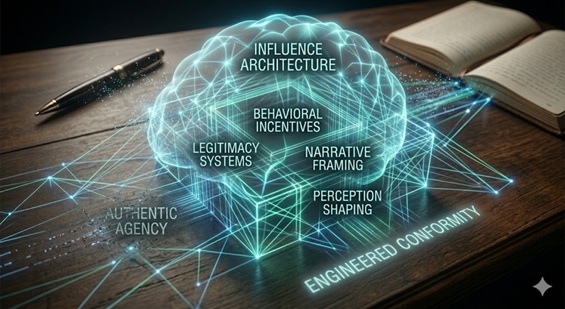
Modern governance increasingly presents itself as collaborative, adaptive, and human-centered.
Organizations speak the language of:
• Empowerment,
• Alignment,
• Agility,
• Participation,
• Transparency,
• Stakeholder engagement,
• Continuous feedback.
At first glance, this appears to represent a significant departure from traditional command-and-control management.
And in many ways, it does.
Modern organizations genuinely recognize that rigid procedural authority is insufficient for operating under conditions of:
• Systemic complexity,
• Distributed coordination,
• AI-Native acceleration,
• Continuous adaptation.
But as governance evolves beyond explicit hierarchy, another transformation quietly begins to emerge.
Governance itself increasingly becomes behavioral.
Not merely through formal authority.
But through:
• Influence architectures,
• Legitimacy systems,
• Narrative framing,
• Behavioral incentives,
• Social signaling,
• Metric visibility,
• Perception shaping,
• Continuous interpretive pressure across the organization.
This is one of the least openly discussed transformations in modern organizational systems.
Because governance no longer operates only through:
• Rules,
• Escalation paths,
• Compliance structures,
• Decision rights.
Increasingly, it operates through shaping:
• How reality is interpreted,
• Which behaviors become legitimate,
• Which narratives gain institutional support,
• Which signals receive visibility,
• Which forms of behavior become socially or operationally costly inside the system.
This distinction is profound.
Because organizations no longer need direct coercion to synchronize behavior.
Behavior increasingly self-regulates through:
• Observability,
• Legitimacy pressure,
• Adaptive signaling,
• Social reinforcement,
• Organizational narratives that define what “good behavior” looks like.
Governance becomes less procedural and more behavioral.
Less hierarchical and more environmental.
Less explicit and more systemic.
And this evolution often appears highly positive.
Organizations become:
• More adaptive,
• More collaborative,
• More responsive,
• More dynamically coordinated.
But this transformation also creates new governance risks that remain insufficiently explored.
Because once governance begins shaping behavior continuously, the boundary between:
• Coordination,
and:
• Behavioral engineering
becomes increasingly fragile.
This is where modern governance enters ethically uncomfortable territory.
Especially when organizations begin optimizing not only:
• Operational outcomes,
But also:
• Perception,
• Alignment,
• Engagement,
• Responsiveness,
• Legitimacy,
• Behavioral conformity across distributed systems.
At that point, governance no longer merely coordinates action.
It increasingly shapes interpretation itself.
This can emerge subtly.
Organizations may begin:
• Designing incentive systems around visible behaviors,
• Reinforcing narrative conformity,
• Optimizing communication for emotional alignment,
• Rewarding performative responsiveness,
• Suppressing friction indirectly through legitimacy pressure,
• Continuously monitoring engagement signals as proxies for organizational health.
Individually, each mechanism may appear rational.
Collectively, however, the organization may slowly evolve toward continuous behavioral orchestration.
Not necessarily because leaders seek manipulation.
But because adaptive systems naturally reward synchronization under complexity.
And synchronization itself increasingly depends on influencing:
• Interpretation,
• Legitimacy,
• Perception,
• Behavioral expectation at scale.
This is why modern governance cannot be analyzed purely through formal structures anymore.
The real architecture increasingly operates inside:
• Incentives,
• Visibility systems,
• Communication patterns,
• Narrative reinforcement,
• Behavioral metrics,
• Algorithmic recommendations,
• Legitimacy dynamics distributed across the organization.
In this environment, one of the greatest governance risks becomes performative alignment.
People may begin optimizing not for:
• Reality,
• Learning,
• Truthful interpretation,
But for:
• Visible legitimacy,
• Narrative consistency,
• Metric alignment,
• Social safety inside the system.
The organization appears aligned.
But alignment itself may become increasingly artificial.
This is where governance becomes extraordinarily delicate.
Because organizations genuinely need:
• Coordination,
• Shared direction,
• Legitimacy,
• Behavioral coherence.
Especially under AI-native conditions where:
• Speed increases,
• Ambiguity expands,
• Distributed coordination intensifies,
• Operational complexity continuously evolves.
But organizations also need:
• Dissent,
• Interpretive diversity,
• Cognitive autonomy,
• Friction,
• Ethical resistance,
• Enough psychological safety for reality to remain speakable inside the system.
Without these stabilizing forces, adaptive governance can gradually drift into behavioral optimization systems that prioritize:
• Synchronization over understanding,
• Legitimacy over truth,
• Alignment over learning,
• Responsiveness over reflection,
• Performative coherence over authentic coherence.
This creates one of the central governance dilemmas of the AI-native era:
How do organizations preserve adaptive coordination without transforming governance into continuous behavioral conditioning?
This question becomes even more important once AI systems begin participating directly in:
• Communication flows,
• Behavioral analytics,
• Engagement monitoring,
• Recommendation systems,
• Narrative amplification,
• Legitimacy signaling inside organizational environments.
Because AI does not merely accelerate coordination.
It can also amplify behavioral convergence at unprecedented scale.
And once governance begins operating through continuous influence architectures, another risk emerges:
The organization may slowly lose the distinction between:
• Authentic alignment,
and:
• Engineered perception.
That distinction matters enormously.
Because healthy governance depends not merely on behavioral synchronization, but on preserving enough human sovereignty, interpretive plurality, and ethical friction to prevent the system from collapsing into optimized conformity.
This is why the future challenge of governance may no longer be simply:
“How do we coordinate organizations efficiently?”
The deeper question may become:
How do we preserve authentic human agency, truthful interpretation, and responsible judgment inside systems increasingly capable of shaping perception, legitimacy, and behavior continuously?
Because governance may no longer operate primarily through authority.
It may increasingly operate through the architecture of influence itself.
In the next article, I will explore another emerging tension:
Why frameworks, metrics, and governance structures can improve probability and coordination, yet still remain fundamentally incapable of eliminating the irreducible necessity of human judgment under uncertainty. |
Posted on: June 12, 2026 04:01 AM
|
Permalink |
Comments (0)
|
"Words are the most powerful drug used by mankind."
- Rudyard Kipling
|




