


“It’s nuts. We’re in freefall. Business has dropped by 30% overnight. We’ve never seen anything like it. We don’t know if we’ll be here in 2 weeks”.
This client, like many of us in the early days of the Corona outbreak, is in a spin. How can he deal with the uncertainty?
It’s tempting to turn very British and tell him to Keep Calm and Carry On. But he, like many others needs more than that. In this, and the next blog of the series, I’ll be answering his question.
How?
By offering a route for containing anxiety and a tool for dealing with uncertainty so that you can be confident in the quality of your decision making and avoid getting caught up in a Project Stress Cycle.
My recommendations build on the foundations set out in my previous blog SCARF a Brain–based Model for Managing People on Projects. If you have read that blog you will know
- Uncertainty is a key driver of social threat
- Social threat takes our Thinking brains offline
For high quality decisions we need our Thinking Brains online. With Corona dominating everything around us, our challenge is to get our Thinking Brains online and to keep them there.
How do we get our Thinking Brains online?
Part of the answer is to label accurately how you are feeling. Now I may have trained in psychotherapy, but I am not going to put you on the couch or suggest you do lots of touchy-feely stuff!
Instead, I’m offering you a Brain Hack for dealing with anxiety
BRAIN HACK
Judson Brewer a psychiatrist writing in the New York Times about the Corona virus, anxiety and social contagion (the fact that other people, seeing we are anxious, begin to feel anxious too), suggests this brain hack [1].
“To hack our brains and break the anxiety cycle, we need to become aware of two things: that we are getting anxious or panicking and what the result is. This helps us see if our behavior is actually helping us survive, or in fact moving us in the opposite direction — panic can lead to impulsive behaviors that are dangerous...
Once we are aware of how unrewarding anxiety is, we can then deliberately bring in the “bigger better offer.” Since our brains will choose more rewarding behaviors simply because they feel better, we can practice replacing old habitual behaviors — such as worry — with those that are naturally more rewarding.
For example, if we notice that we have a habit of touching our face, we can be on the lookout for when we act that behavior out. For example:
-
If we are starting to worry: “Oh no, I touched my face, maybe I’ll get sick!”,
-
Instead of panicking, take a deep breath and ask: “When was the last time I cleaned my hands?”
-
Think. “Oh, right! I just washed my hands.”
THE HACK SEQUENCE
Let me summarise the sequence for you
- press the pause button
- notice how you are feeling and name it (worried, stressed etc..)
- take a deep breath
- be curious and explore what's going on for you by asking yourself a question or two 'What's this feeling about?', 'When did I last wash my hands?' etc.
Neuroscience research tells us that this sequence helps to bring our Thinking brain online.
It's a sequence I've used frequently in my coaching over the last five years. Clients are typically delighted with the clarity it brings to their decision making. They are often surprised too. Surprised because many of them had previously dismissed any suggestion of focusing on their breath/ feelings' as new age nonsense!
I used to do the same. In fact, like many of my clients, when feeling anxious my reflex response used to be to ignore it - I'd carry on regardless. I didn't understand that my anxiety would leak out anyway, and other people would pick it up at a subconscious level. My anxiety would add to their anxiety levels and impact their decision making too.
Learning to keep our Thinking brain online is a core skill
Learning to keep our Thinking brain online is a core skill for every project professional. Using this sequence may fell clunky at first - in that respect it's just like learning any other skill.
Persevere with it and teach it your families, colleagues and friends.
Corona virus is unlike any challenge we've faced before. Dealing with it well requires us to contain anxiety and to keep our Thinking brains online. Do this and we can be confident of making informed decisions about what's required and how to behave.
BLOGS IN THIS SERIES
- What Can the Project World Learn from Neuroscience?
- SCARF a Brain–based Model for Managing People on Projects
- PM Point of View Episode 69: Neuroscience in Project Management Carole Osterweil in conversation with Kendall Lott (starts 40 mins in)
- Change Requests and the Project Stress Cycle
and coming soon
REFERENCES
[1] https://www.nytimes.com/2020/03/13/well/mind/a-brain-hack-to-break-the-coronavirus-anxiety-cycle.html A Brain Hack to Break the Coronavirus Anxiety Cycle, Judson A. Brewer, M.D. accessed March 14
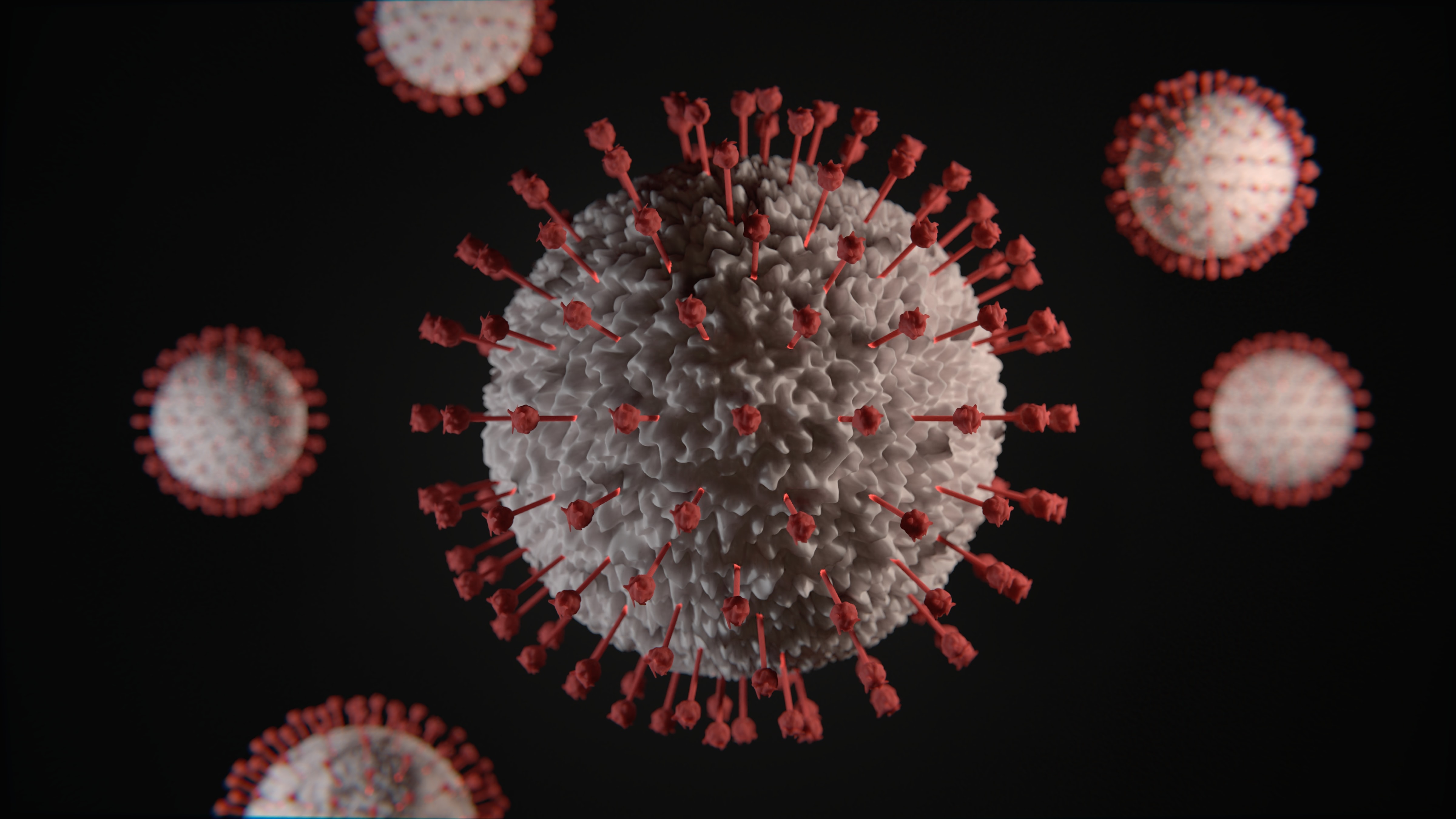
Photo by Viktor Forgacs on Unsplash




