
When results aren’t enough: Rethinking Leadership


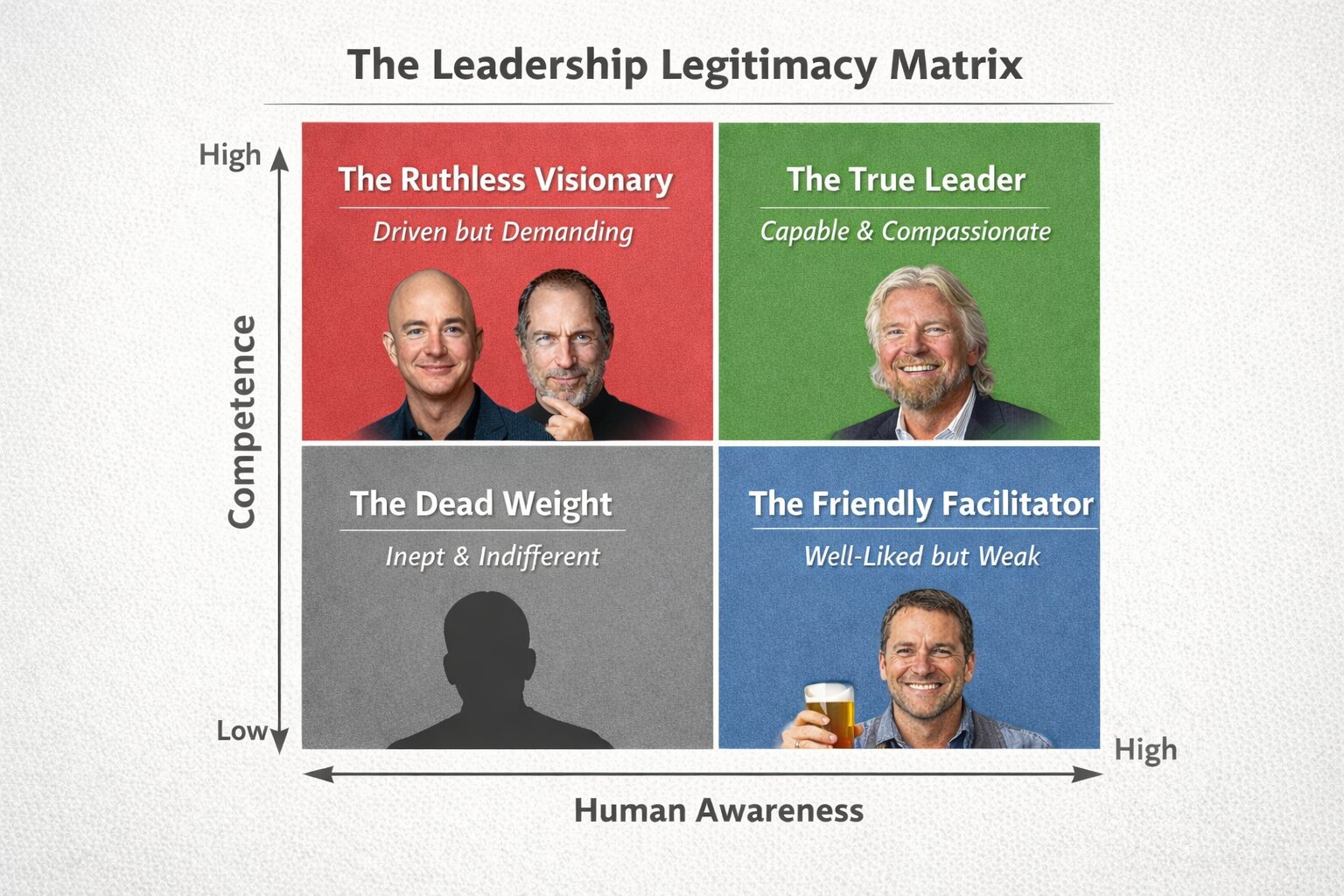
| We often label bad experiences at work as toxic leadership. It’s a convenient shortcut to explain disengagement or quiet resentment. But the more I reflect on it, the more the term itself starts to feel misleading. Because if leadership is toxic, if if it consistently erodes trust and destroys long‑term value, should we still call it leadership? To explore this question, I find it useful to strip leadership down to two fundamental dimensions. A simple leadership matrixImagine leadership mapped across two axes:
Cross these two dimensions, and four leadership archetypes emerge. |
What if Keanu Reeves ran your project?
Categories:
Leadership
Categories: Leadership
| In a previous post, we looked at Luis Enrique’s leadership style, intense and authentic. That exploration led us to ask broader questions about what leadership is about, beyond what has been written in numerous books. We often talk about what makes a good project manager: communication skills, time management (sense of urgency!), stakeholder engagement or risk management, among many others. These are important, even essential. But they aren’t the whole picture. What if we looked beyond competence? What if we imagined a project manager with not only the right skills but the right soul? This isn’t just about emotional intelligence. It’s about the human being behind the project manager — the person who shows up with values, resilience and compassion. Because at the end of the day, regardless of our role or personal wealth, we are all humans with an innate desire to cooperate, contribute, and connect.
- The death of his child - The passing of his partner - The loss of his close friend River Phoenix - Years of solitude and personal battles, including caring for his sister through leukemia And yet, through all of this, he continues to give and treat others with respect, whether it’s sharing his earnings with crew members or waiting in line like anyone else. He doesn’t just survive hardship. So what lessons could we draw from this “saintly” version of a project manager? Grace under pressure As just noted, Keanu Reeves is no stranger to tragedy. Yet, he remains grounded and composed. A “Keanu PM” wouldn’t lash out in a crisis or shift blame when things go wrong. They’d hold the team steady when the company changes project priorities for the third time in six months or when the vendor delays delivery again on critical equipment. Calm doesn’t mean passive — it means anchored. Lesson: A truly great PM is emotionally resilient. They’re a calming force when others are storming. Radical humility Despite a net worth estimated at over $380 million, Reeves is known for taking the subway, carrying his own gear on set, helping strangers, and staying out of the spotlight. He’s gifted millions to stunt crews and quietly supported cancer research without attaching his name to it. For project leadership, this translates into egoless management. The Keanu PM doesn’t need credit or control. They elevate the team, listen deeply, and let results speak for themselves. Lesson: The best PMs make space for others to shine. No preaching There’s a moral clarity in how Reeves lives — respectful, professional, generous. He doesn’t grandstand, but he doesn’t compromise on what matters either. For a PM, this might look like saying no to shortcuts that threaten quality. It might mean standing up for a team under unrealistic deadlines or pushing back when decisions are misaligned with values. Lesson: A strong ethical compass is most powerful when it’s lived, not lectured. Consistency over perfection Saints aren’t flawless — they’re consistent. Reeves is known for his discipline: showing up for every role with the same humility and dedication, whether it’s Hamlet on stage or The Matrix on screen. Likewise, the Keanu PM doesn’t need to be the smartest or fastest. They need to be the one who shows up fully every day, even when no one is watching. As the saying goes: "Quality is what you do when no one is watching." Lesson: Trust is built through small, consistent acts of responsibility. Silence (can be) golden We live in a world of noise: slack notifications, back to back meetings, fires to put out... Silence is underrated. The Keanu archetype brings something rare: stillness. Not inertia, but the ability to pause, reflect, and respond, instead of reacting. A mindful PM sees the bigger picture, reads the room, and leads from a place of groundedness. Lesson: Strategic pauses are not a luxury — they’re a leadership necessity. In a nutshell If we imagined a saintly project manager — someone with impeccable character, quiet strength, and a deep sense of care — it might not look flashy. But it would be unforgettable. Remember that quote: “People will forget what you said, but not how you made them feel.” The Keanu Reeves of project management may never trend on LinkedIn or win a flashy award. But their teams would trust them. Their projects would last. And their leadership would echo far beyond the final deliverable. Maybe that’s what real success looks like. |
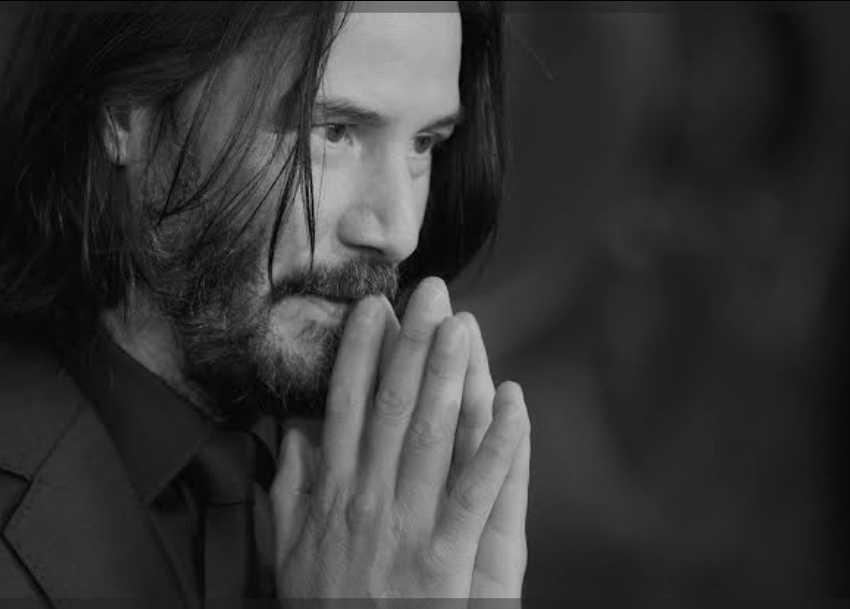 On that note, let’s explore a thought-provoking idea: what if Keanu Reeves were a project manager? Not the actor per se, but the essence of how he moves through the world. The internet is full of reels and short clips celebrating how Reeves has navigated enormous personal tragedy with humility and dignity:
From the pitch to the project; Leadership that delivers
Categories:
Leadership
Categories: Leadership
| Whether or not you follow football (or soccer), moments of exceptional leadership have a way of cutting through context and resonating universally. One such moment unfolded after Paris Saint-Germain’s (PSG) 5–0 victory over Inter Milan in the Champions League final on May 31st. In his post-match interview, coach Luis Enrique delivered more than just comments — he offered a masterclass in leadership. It was a timely reminder that leadership isn’t theoretical. It’s something you live, not just learn about in books. You can read hundreds of articles or attend workshops on leadership, but sometimes the clearest understanding comes from observing someone who leads with results — and substance.
🧠 Use of inclusive language builds Psychological Safety Rather than framing the win as a personal achievement, Luis Enrique repeatedly used “we” — reinforcing the idea that success was shared. This subtle choice of words builds unity and fosters psychological safety, creating space for collective ownership and trust. In project management, where team cohesion is vital, this mindset is essential. Success rarely hinges on individual brilliance alone. And in an environment like professional sports — often dominated by ego — such inclusive language is even more striking. It’s a reminder that even top performers thrive when their leader highlights team over self. 🌱 Spotting and nurturing potential drives long-term results Luis Enrique is known for putting faith in young and emerging talent, not just proven stars. As project managers, we face the same choice: do we stick with the tried-and-tested, or do we recognize and develop potential? Choosing the latter can unlock surprising, long-term value — and it’s what separates a task manager from a true leader. Simon Sinek touches on this beautifully in Leaders eat last, a book that left a strong impression on me. He writes that great leaders create environments where people feel safe, trusted, and empowered — and where they grow as a result. That sense of responsibility for others’ development is what defines leadership at its core. 🎲 Acknowledging the role of luck brings humility When asked about his team’s success, Enrique didn’t just highlight preparation or strategy — he acknowledged that luck also played a role. It was a humble, honest answer. In project management, this humility is vital. No matter how meticulous our planning, external factors — market shifts, stakeholder dynamics, unexpected delays — can influence the outcome. Seneca said it best: “Luck is what happens when preparation meets opportunity.” The best leaders understand this. They prepare rigorously but remain open to uncertainty, building flexibility and contingency into their plans. 🎯 Focusing on team goals builds trust Luis Enrique isn’t chasing personal accolades. His focus is clearly on collective performance and long-term growth — not just headlines. Project managers who prioritize team and project outcomes over personal credit build lasting trust. That trust creates an environment where collaboration can flourish. The same principle applies to entrepreneurs. When the focus shifts from “How much can I gain?” to “How much value can I deliver?”, success tends to follow. Recognition can be a byproduct, but it shouldn't be the end goal. 🔍 Developing other leaders multiplies impact A particularly telling moment was Enrique highlighting Ousmane Dembélé — a player who had often been overlooked, but who was instrumental in the win. Elevating others is a subtle yet powerful leadership move. For PMs, this means empowering senior team members, giving them space to lead, and encouraging mentorship within the team. It’s how resilient, self-sufficient teams are built. Too often, the “deputy” or second-in-command role is undervalued. But those individuals — the ones quietly making things happen — are essential to scaling leadership and ensuring continuity when you're not in the room. 🔥 Inspiring belief in the face of adversity After the departure of star player Kylian Mbappé, many expected PSG to stumble. Instead, the team doubled down and thrived. That speaks volumes about the culture Enrique has built. Projects are no different. Budget cuts, changing scopes, sudden resource losses — these can derail momentum. But great leaders keep the team grounded and optimistic, even when the landscape shifts. As the saying goes: no one is irreplaceable. What matters is the collective mindset — and the ability of the leader to keep belief alive, no matter the circumstances. 🪫 Managing success is harder than chasing it Luis Enrique made a compelling point: achieving success is one thing; managing it is another. After a project launch or key milestone, it’s tempting to relax. But that’s often when the real work begins. For PMs, the post-delivery phase — whether it’s optimization, user adoption, or continuous improvement — demands just as much attention. Sustaining performance and maintaining trust is a discipline in itself. 💔 Leading with humanity deepens connection Perhaps the most moving leadership lesson wasn’t tactical, but personal. Luis Enrique continues to lead with strength and grace despite the tragic loss of his daughter. His resilience and openness command deep respect. In a professional world that often prizes detachment, leading with humanity is powerful. It creates loyalty, builds authentic relationships, and fosters psychological safety. Compassion isn’t weakness — it’s leadership at its most real. Final thoughts Leadership books offer structure and ideas. But when we see leadership under real pressure — in a high-stakes final, under the scrutiny of millions — we’re reminded what it actually looks like. For project managers, Luis Enrique’s post-match interview wasn’t just a sports recap. It was a mirror. A reminder that leadership shows up in how we speak, how we decide, how we empower others, and how we carry ourselves when things go sideways. 🔅 What about you? Which of these traits resonate with you most? Are there other leadership moments — in or out of sport — that have stayed with you? |
.png) Here are eight powerful leadership lessons I took from that interview — applicable far beyond sports, and particularly valuable for anyone steering complex projects to success.
Here are eight powerful leadership lessons I took from that interview — applicable far beyond sports, and particularly valuable for anyone steering complex projects to success.Project Management hits all the right notes. Lessons from “We are the world”
| In January 1985, a groundbreaking project brought together 46 of the most famous musicians in the world to record We are the world, a charity single to aid famine relief in Africa. Among the participants were icons like Stevie Wonder, Diana Ross, Bruce Springsteen, Ray Charles, Bob Dylan, Tina Turner, and Cyndi Lauper.
The power of a great sponsor No project succeeds without a strong sponsor, and Quincy Jones played this role to perfection. As the producer, Jones managed the project’s vision, coordinated logistics, and ensured the group stayed focused. He wielded influence, respect, and clarity to align the egos and energies of the artists. His ability to navigate the creative chaos while keeping the big picture in mind was pivotal in translating the project’s vision into reality. Adherence to timelines The stakes were high: the entire recording had to be completed in a single night, immediately following the American Music Awards. With a tight schedule and a studio filled with superstars, there was no room for delays. Strict planning and coordination ensured the recording was completed on time without compromising quality. This showcases how clear deadlines, coupled with disciplined execution, can keep even the most complex projects on track. Stakeholder management and servant leadership Managing an ensemble of superstars required diplomacy and servant leadership, qualities embodied by Lionel Richie and Michael Jackson. Both leaders prioritized the collective goal over personal glory, fostering a collaborative environment. A sign in the studio famously read, “Check your ego at the door,” setting the tone for teamwork. Another example of humility came during the chorus: participants who couldn’t reach the high notes simply remained silent. This act of knowing and respecting one’s limits reinforced the principle that projects succeed when individuals contribute according to their strengths. Allowing the right person to perform each task ensured the final output was harmonious and polished. Change and scope management During the session, Stevie Wonder suggested incorporating African lyrics into the song. While the idea aligned with the theme, it posed risks to the project’s scope and messaging. After careful deliberation, the team clarified that We are the world was not just about Africa but a global call to action for everyone to help Africa. By revisiting the project’s purpose, they honored the spirit of collaboration while maintaining focus, showcasing exemplary scope management. A blueprint for future success Beyond its immediate impact, We are the world inspired other successful humanitarian efforts, such as Do they know it's Christmas? and Live Aid. The project demonstrated that well-managed collaboration could create lasting change, extending its influence beyond its original ambition. Key takeaways The success of We are the world was driven by great sponsorship, strict adherence to timelines, servant leadership, and effective scope management. These principles remind project managers to respect their teams, leverage individual strengths, and remain adaptable under pressure. As the song reminds us, “We’re saving our own lives.” Project management is about making the critical choices that lead to transformative results. Let’s aim to make every project we lead as impactful as this unforgettable collaboration. |
 Spearheaded by Lionel Richie and Michael Jackson, and produced by Quincy Jones, the project achieved extraordinary success: over 20 million copies sold, more than $63 million raised, and a song that continues to inspire humanitarian efforts. This success was made possible by exceptional project management that transformed a star-studded gathering into a unified and impactful initiative.
The unlikely success of Pretty Woman
Categories:
Project Management,
Problem solving,
Risk Management,
Agile,
Leadership,
Decision Making,
Governance
Categories: Project Management, Problem solving, Risk Management, Agile, Leadership, Decision Making, Governance
| I recently tuned into a fascinating podcast about the making of the classic film "Pretty Woman." What struck me most was how this project, seemingly doomed from the start, turned into a blockbuster hit. This got me thinking about how some projects, despite facing numerous obstacles, can still achieve remarkable success. Here’s a dive into the chaotic yet triumphant journey of "Pretty Woman." From the get-go, the production faced significant challenges. When shooting commenced, they had only secured 10 out of the +/- 100 actors and actresses they needed. Imagine starting a project with just 10% of your team! It’s akin to launching a new product with only a fraction of your resources in place. But the team forged ahead, showing resilience from the very start.
Interestingly, the original script of "Pretty Woman" wasn't the romantic comedy we all love today. It was a darker drama titled "$3000," referencing the amount of money Richard Gere's character would pay Julia Roberts' character. The script was filled with grim references to drug use and its consequences, far from the feel-good movie it eventually became. This drastic shift in tone reminds me of how initial project plans can undergo massive transformations, often leading to better outcomes, much like in agile project management where flexibility and iteration can yield surprising results. Another quirk in the production was the on-the-spot scripting. Many scenes were crafted during filming, a process that could easily derail a project. This improvisational approach is akin to building a plane while flying it. Director Garry Marshall wasn’t even sure of the film’s tone, so he shot each scene three times with different emotional undertones—funny, dark, and random. This gave them flexibility in post-production but also highlighted the uncertainty that permeated the project, similar to how agile methodologies allow for adjustments and pivots based on ongoing feedback. One of the most iconic scenes in the movie—where Richard Gere and Julia Roberts are at a fine dining restaurant and a snail flies out of her hand—wasn’t scripted. This spontaneous moment became one of the most memorable parts of the film. In project management, this is akin to creating value through unexpected features. Sometimes, the unplanned elements can deliver significant value and delight to the stakeholders, reinforcing the importance of being open to spontaneity and seizing unexpected opportunities. Despite these haphazard elements, the film's release was a roaring success. With a budget of just $14 million, "Pretty Woman" grossed an astonishing $463 million worldwide. This kind of success in the face of so many hurdles is both inspiring and perplexing. It serves as a reminder that sometimes, the most chaotic and seemingly doomed projects can achieve greatness. Adding to the list of bizarre anecdotes, Julia Roberts was a relatively unknown actress at the time, and Richard Gere almost didn't take the role. The chemistry they brought to the screen was more serendipitous than planned, yet it became a defining element of the film's success. In conclusion, "Pretty Woman" exemplifies how adaptability, resilience, and a bit of chaos can lead to unexpected success. It’s a testament to the idea that no matter how troubled a project might seem, there’s always a potential for it to turn out incredibly well. So next time you find yourself in a seemingly doomed project, remember the journey of "Pretty Woman" and take heart—you might just be on the brink of a blockbuster. |



