Support to Develop
by Luis Branco

This blog addresses management-related topics and has three areas of focus: 1. Technical skills; 2. Competencies in the field of interpersonal relations and communication (including personal organization and delegation, leadership, teamwork, conflict resolution, conducting meetings, and negotiation); and 3. Strategy (including diagnosis, strategic guidelines, and implementation).4.Technology
Recent Posts
RCPCV™: A Method for Decision-Making and Continuous Improvement
The Same Change Can Succeed and Fail at the Same Time
What Must Exist Even When No Single Role Owns the Whole?
PHASE 4 – THE EMERGENCE
When Structural Drift Becomes Consequential
Categories
Agile,
Career Development,
Career Development,
Career Development,
Career Development,
Career Development,
Career Development,
Career Development,
Career Development,
Career Development,
Career Development,
Career Development,
Career Development,
Career Development,
Career Development,
Career Development,
Career Development,
Career Development,
Career Development,
Career Development,
Career Development,
Career Development,
Career Development,
Career Development,
Career Development,
Career Development,
Career Development,
Career Development,
Career Development,
Career Development,
Career Development,
Career Development,
Career Development,
Career Development,
Career Development,
Career Development,
Career Development,
Career Development,
Career Development,
Career Development,
Career Development,
Career Development,
Career Development,
Career Development,
Career Development,
Career Development,
Career Development,
Career Development,
Career Development,
Career Development,
Career Development,
Career Development,
Career Development,
Career Development,
Career Development,
Career Development,
Career Development,
Career Development,
Career Development,
Career Development,
Career Development,
Career Development,
Career Development,
Career Development,
Career Development,
Career Development,
Career Development,
Career Development,
Career Development,
Career Development,
Career Development,
Career Development,
Career Development,
Career Development,
Career Development,
Career Development,
Career Development,
Career Development,
Career Development,
Career Development,
Career Development,
Career Development,
Career Development,
Career Development,
Career Development,
Career Development,
Career Development,
Career Development,
Career Development,
Career Development,
Career Development,
Career Development,
Career Development,
Career Development,
Career Development,
Career Development,
Career Development,
Career Development,
Career Development,
Career Development,
Career Development,
Career Development,
Career Development,
Career Development,
Career Development,
Career Development,
Career Development,
Career Development,
Career Development,
Career Development,
Career Development,
Career Development,
Career Development,
Career Development,
Career Development,
Career Development,
Career Development,
Career Development,
Career Development,
Career Development,
Career Development,
Career Development,
Career Development,
Education,
Governance,
Governance,
Governance,
Governance,
Governance,
Governance,
Governance,
Governance,
Governance,
Governance,
Governance,
Governance,
Governance,
Governance,
Governance,
Governance,
Governance,
Governance,
Governance,
Governance,
Governance,
In,
Integration Management,
Interpersonal Skills,
Interpersonal Skills,
Interpersonal Skills,
Interpersonal Skills,
Interpersonal Skills,
Interpersonal Skills,
Interpersonal Skills,
Interpersonal Skills,
Interpersonal Skills,
Interpersonal Skills,
Interpersonal Skills,
Interpersonal Skills,
Interpersonal Skills,
Interpersonal Skills,
Interpersonal Skills,
Interpersonal Skills,
Interpersonal Skills,
Interpersonal Skills,
Interpersonal Skills,
Interpersonal Skills,
Interpersonal Skills,
Interpersonal Skills,
Interpersonal Skills,
Interpersonal Skills,
Interpersonal Skills,
Interpersonal Skills,
Interpersonal Skills,
Interpersonal Skills,
Interpersonal Skills,
Interpersonal Skills,
Interpersonal Skills,
Interpersonal Skills,
Interpersonal Skills,
Interpersonal Skills,
Interpersonal Skills,
Interpersonal Skills,
Interpersonal Skills,
Interpersonal Skills,
Interpersonal Skills,
Interpersonal Skills,
Interpersonal Skills,
Interpersonal Skills,
Interpersonal Skills,
Interpersonal Skills,
Interpersonal Skills,
Interpersonal Skills,
Interpersonal Skills,
Interpersonal Skills,
Interpersonal Skills,
Interpersonal Skills,
Interpersonal Skills,
Interpersonal Skills,
Interpersonal Skills,
Interpersonal Skills,
Interpersonal Skills,
Interpersonal Skills,
Interpersonal Skills,
Interpersonal Skills,
Interpersonal Skills,
Interpersonal Skills,
Interpersonal Skills,
Interpersonal Skills,
Interpersonal Skills,
Interpersonal Skills,
Interpersonal Skills,
Interpersonal Skills,
Interpersonal Skills,
Interpersonal Skills,
Interpersonal Skills,
Interpersonal Skills,
Interpersonal Skills,
Interpersonal Skills,
Interpersonal Skills,
Interpersonal Skills,
Interpersonal Skills,
Interpersonal Skills,
Interpersonal Skills,
Interpersonal Skills,
Interpersonal Skills,
Interpersonal Skills,
Interpersonal Skills,
Interpersonal Skills,
Interpersonal Skills,
Interpersonal Skills,
Interpersonal Skills,
Interpersonal Skills,
Interpersonal Skills,
Interpersonal Skills,
Interpersonal Skills,
Interpersonal Skills,
Interpersonal Skills,
Interpersonal Skills,
Interpersonal Skills,
Interpersonal Skills,
Interpersonal Skills,
Interpersonal Skills,
Interpersonal Skills,
Interpersonal Skills,
Interpersonal Skills,
Interpersonal Skills,
Interpersonal Skills,
Interpersonal Skills,
Interpersonal Skills,
Interpersonal Skills,
Interpersonal Skills,
Interpersonal Skills,
Interpersonal Skills,
Interpersonal Skills,
Interpersonal Skills,
Interpersonal Skills,
Interpersonal Skills,
Interpersonal Skills,
Interpersonal Skills,
Interpersonal Skills,
Interpersonal Skills,
Interpersonal Skills,
Interpersonal Skills,
Interpersonal Skills,
Interpersonal Skills,
Interpersonal Skills,
Interpersonal Skills,
Interpersonal Skills,
Knowledge Management,
le,
lea,
Leadership,
Leadership,
Leadership,
Leadership,
Leadership,
Leadership,
Leadership,
Leadership,
Leadership,
Leadership,
Leadership,
Leadership,
Leadership,
Leadership,
Leadership,
Leadership,
Leadership,
Leadership,
Leadership,
Leadership,
Leadership,
Leadership,
Leadership,
Leadership,
Leadership,
Leadership,
Leadership,
Leadership,
Leadership,
Leadership,
Leadership,
Leadership,
Leadership,
Leadership,
Leadership,
Leadership,
Leadership,
Leadership,
Leadership,
Leadership,
Leadership,
Leadership,
Leadership,
Leadership,
Leadership,
Leadership,
Leadership,
Leadership,
Leadership,
Leadership,
Leadership,
Leadership,
Leadership,
Leadership,
Leadership,
Leadership,
Leadership,
Leadership,
Leadership,
Leadership,
Leadership,
Leadership,
Leadership,
Leadership,
Leadership,
Leadership,
Leadership,
Leadership,
Leadership,
Leadership,
Leadership,
Leadership,
Leadership,
Leadership,
Leadership,
Leadership,
Leadership,
Leadership,
Leadership,
Leadership,
Leadership,
Leadership,
Leadership,
Leadership,
Leadership,
Leadership,
Leadership,
Leadership,
Leadership,
Leadership,
Leadership,
Leadership,
Leadership,
Leadership,
Leadership,
Leadership,
Leadership,
Leadership,
Leadership,
Leadership,
Leadership,
Leadership,
Leadership,
Leadership,
Leadership,
Leadership,
Leadership,
Leadership,
Leadership,
Leadership,
Leadership,
Leadership,
Leadership,
Leadership,
Leadership,
Leadership,
Leadership,
Leadership,
Leadership,
Leadership,
Leadership,
Leadership,
Leadership,
or,
Organizational Project Management,
Portfolio Management,
Program,
Program Management,
Strategy,
Strategy,
Strategy,
Strategy,
Strategy,
Strategy,
Strategy,
Strategy,
Strategy,
Strategy,
Strategy,
Strategy,
Strategy,
Strategy,
Strategy,
Strategy,
Strategy,
Strategy,
Strategy,
Strategy,
Strategy,
Strategy,
Strategy,
Strategy,
Strategy,
Strategy,
Strategy,
Strategy,
Strategy,
Strategy,
Strategy,
Strategy,
Strategy,
Strategy,
Strategy,
Strategy,
Strategy,
Strategy,
Strategy,
Strategy,
Strategy,
Strategy,
Strategy,
Strategy,
Strategy,
Strategy,
Strategy,
Strategy,
Strategy,
Strategy,
Strategy,
Strategy,
Strategy,
Strategy,
Strategy,
Strategy,
Strategy,
Strategy,
Strategy,
Strategy,
Strategy,
Strategy,
Strategy,
Strategy,
Strategy,
Strategy,
Strategy,
Strategy,
Strategy,
Strategy,
Strategy,
Strategy,
Strategy,
Strategy,
Strategy,
Strategy,
Strategy,
Strategy,
Strategy,
Strategy,
Strategy,
Strategy,
Strategy,
Strategy,
Strategy,
Strategy,
Strategy,
Strategy,
Strategy,
Strategy,
Strategy,
Strategy,
Strategy,
Strategy,
Strategy,
Strategy,
Strategy,
Strategy,
Strategy,
Strategy,
Strategy,
Strategy,
Strategy,
Strategy,
Strategy,
Strategy,
Strategy,
Strategy,
Strategy,
Strategy,
Strategy,
Strategy,
Strategy,
Strategy,
Strategy,
Strategy,
Strategy,
Strategy,
Strategy,
Strategy,
Strategy,
Strategy,
Strategy,
Sustainability,
Talent Management,
Talent Management,
Talent Management,
Talent Management,
Talent Management,
Talent Management,
Talent Management,
Talent Management,
Talent Management,
Talent Management,
Talent Management,
Talent Management,
Talent Management,
Talent Management,
Talent Management,
Talent Management,
Talent Management,
Talent Management,
Talent Management,
Talent Management,
Talent Management,
Talent Management,
Talent Management,
Talent Management,
Talent Management,
Talent Management,
Talent Management,
Talent Management,
Talent Management,
Talent Management,
Talent Management,
Talent Management,
Talent Management,
Talent Management,
Talent Management,
Talent Management,
Talent Management,
Talent Management,
Talent Management,
Talent Management,
Talent Management,
Talent Management,
Talent Management,
Talent Management,
Talent Management,
Talent Management,
Talent Management,
Talent Management,
Talent Management,
Talent Management,
Talent Management,
Talent Management,
Talent Management,
Talent Management,
Talent Management,
Talent Management,
Talent Management,
Talent Management,
Talent Management,
Talent Management,
Talent Management,
Talent Management,
Talent Management,
Talent Management,
Talent Management,
Talent Management,
Talent Management,
Talent Management,
Talent Management,
Talent Management,
Talent Management,
Talent Management,
Talent Management,
Talent Management,
Talent Management,
Talent Management,
Talent Management,
Talent Management,
Talent Management,
Talent Management,
Talent Management,
Talent Management,
Talent Management,
Talent Management,
Talent Management,
Talent Management,
Talent Management,
Talent Management,
Talent Management,
Talent Management,
Talent Management,
Talent Management,
Talent Management,
Talent Management,
Talent Management,
Talent Management,
Talent Management,
Talent Management,
Talent Management,
Talent Management,
Talent Management,
Talent Management,
Talent Management,
Talent Management,
Talent Management,
Talent Management,
Talent Management,
Talent Management,
Talent Management,
Talent Management,
Talent Management,
Talent Management,
Talent Management,
Talent Management,
Talent Management,
Talent Management,
Talent Management,
Talent Management,
Talent Management,
Talent Management,
Talent Management,
Talent Management,
Talent Management
Date
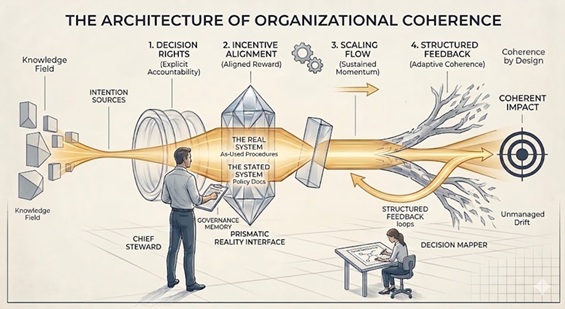
How to Build a Decision-Driven Organization
Organizations do not become effective by making more decisions.
They become effective when decisions hold, scale, and survive the system.
Across this series, one pattern became clear:
Decisions fail less because they are wrong, and more because the system cannot sustain them.
The implication is practical.
Improving decision-making is not enough.
What must be designed is the system around the decision.
1. Where to Start
Most transformation efforts begin with tools.
Better data.
Better dashboards.
Better processes.
But decision failure rarely originates there.
It originates in the structure of the system.
A useful starting point is diagnostic, not prescriptive.
Four questions reveal most systemic weaknesses:
- Where do decisions lose clarity as they move?
- Where does ownership become unclear or diluted?
- Where do incentives contradict stated direction?
- Where does the system act without an explicit decision?
These questions shift attention from individual decisions to how decisions behave inside the organization.
2. The Five Design Levers
Building a decision-driven organization requires acting on a small set of structural levers.
These levers do not operate independently.
They must be designed as a system.
A. Decision Rights
Who decides must be explicit.
Not assumed.
Not negotiated in real time.
Not diffused across layers.
Clarity here reduces delay and prevents avoidance.
It also defines where accountability resides.
Without clear decision rights, organizations compensate with meetings, escalation, and consensus.
All of which increase activity, but reduce commitment.
B. Decision Commitment
A decision is not complete when it is discussed.
It is complete when it is committed.
This moment must be visible.
It must define:
- The direction chosen
- The alternatives rejected
- The level of risk accepted
Without explicit commitment, the system continues to interpret.
What appears as alignment is often unresolved optionality.
C. Incentive Alignment
People do not follow decisions.
They follow what is rewarded.
If incentives contradict direction, behavior will adapt.
Not because people resist.
Because they are rational.
Aligning incentives means:
- Rewarding contribution to the intended outcome
- Balancing local performance with system impact
- Avoiding proxies that distort meaning
This is not a cultural intervention.
It is structural design.
D. Decision Flow and Ownership
Making a decision is an act.
Holding a decision is a responsibility.
As decisions move through:
Teams,
Functions,
Timelines,
They are exposed to reinterpretation and pressure.
Without continuity of ownership:
Intent weakens,
Priority shifts,
Execution diverges.
Every critical decision needs:
- Someone who carries it
- Someone who translates it
- Someone who reconfirms it
Ownership must travel with the decision.
E. Feedback and Reconfirmation
Decisions do not operate in static conditions.
They interact with reality.
Feedback provides the signal.
Reconfirmation provides the discipline.
Together, they ensure that:
- Adaptation remains intentional
- Drift is detected early
- Learning is integrated into future decisions
Without feedback, systems assume coherence.
Without reconfirmation, decisions evolve without being re-decided.
3. The Implementation Path
Transformation does not require large programs.
It requires precise interventions.
A practical sequence is sufficient.
Step 1: Map Critical Decisions
Identify decisions that:
- Define direction
- Allocate significant resources
- Create irreversible consequences
Not all decisions matter equally.
Focus creates clarity.
Step 2: Trace Decision Propagation
Follow how those decisions move.
Where do they:
- Lose clarity
- Encounter resistance
- Change meaning
- Stall
This reveals the system, not the theory.
Step 3: Identify Structural Misalignments
Look for patterns:
- Incentives driving opposite behavior
- Unclear ownership
- Excessive interpretation layers
- Absence of reconfirmation points
These are design issues, not execution failures.
Step 4: Redesign the Levers
Act on structure:
- Clarify decision rights
- Align incentives with intent
- Assign ownership across the flow
- Define reconfirmation points
- Establish feedback loops
Small adjustments here produce large effects.
Step 5: Institutionalize the Cycle
Decisions should not depend on individual effort.
They should be supported by the system.
This means:
- Embedding practices into governance
- Making ownership visible
- Using feedback systematically
- Reinforcing behavior through incentives
At this point, the system begins to carry decisions by default.
4. Common Failure Modes
Most initiatives fail in predictable ways.
Tool Substitution
Replacing structural problems with technology.
More dashboards do not create better decisions.
Incentive Blindness
Ignoring how behavior is actually rewarded.
Misalignment persists beneath formal direction.
Consensus as Safety
Seeking agreement instead of commitment.
Decisions are delayed, diluted, or avoided.
Distributed Accountability
Everyone contributes.
No one owns.
Execution slows and responsibility dissolves.
Avoidance of Commitment
Analysis replaces decision.
Optionality replaces direction.
The system moves without explicit choice.
5. The Practical Test
A decision-driven organization is recognizable.
Not by how it speaks.
By how it behaves.
- Decisions are made at the right level
- Direction remains clear as decisions move
- Adaptation does not distort intent
- Ownership is visible and continuous
- Feedback changes behavior
- Outcomes remain coherent across the system
If these conditions are not present, the issue is not people.
It is design.
6. Final Insight
Organizations do not become decision-driven by improving decision quality alone.
They become decision-driven by designing systems where decisions can survive.
Closing Statement
In the end, leadership is not only about deciding.
It is about designing the conditions where decisions hold.
Because decisions do not fail in isolation.
They fail in systems that were never built to support them.
And when the system is designed correctly,
decisions no longer depend on effort alone.
They become part of how the organization operates. |
Posted on: May 20, 2026 05:34 AM
|
Permalink |
Comments (2)
|
"Humor is but another weapon against the universe."
- Mel Brooks
|




