


As a project manager, navigating the complexities of a project often feels like steering a ship through unpredictable waters. If you’ve read Daniel Kahneman’s Thinking, Fast and Slow, you’ll recognize this as the interplay of System 1 and System 2 thinking. These two systems—one fast and intuitive, the other slow and deliberate—shape our decision-making processes. Let's explore how understanding these systems can enhance project management.
System 1: the speedy intuitive pilot
System 1 is our brain's autopilot. It operates quickly and effortlessly, using gut reactions and heuristics—mental shortcuts—to make decisions. In project management, System 1 is invaluable for swift decision-making. For example, imagine you’re in a project meeting and a team member proposes a solution to a minor issue. Your immediate response, based on past experiences and intuition, might be to agree and implement the fix right away. This rapid response keeps the project moving forward without getting bogged down in analysis.
However, System 1 can also lead to biases. Consider the “availability heuristic,” where decisions are influenced by what comes to mind most easily. If your last project was delayed due to a vendor issue, you might overestimate the likelihood of the same problem recurring, even if the context is different. Recognizing when you’re relying too much on System 1 can help you pause and reassess your assumptions.
System 2: the thoughtful strategist
System 2, on the other hand, is slow, analytical, and effortful. It kicks in when we need to think things through, such as planning a project timeline or analyzing risk factors. This system is crucial for complex problem-solving and making informed decisions that require thorough consideration.
For instance, when drafting a project plan, System 2 ensures you consider all variables—resources, timelines, stakeholder expectations—and meticulously outline each step. This deliberate thinking helps prevent oversight and ensures a comprehensive approach. However, engaging System 2 can be mentally exhausting, so it’s important to balance it with the efficiency of System 1.
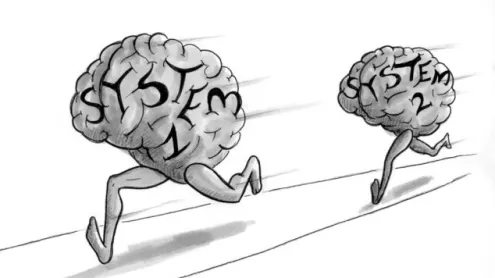
Balancing act: when to use each system
The key to effective project management is knowing when to engage System 1 and when to switch to System 2. Use System 1 for routine decisions to keep the project moving smoothly. For instance, if a trusted team member suggests a minor tweak, your quick approval can maintain momentum. Reserve System 2 for critical decisions that require detailed analysis, such as risk assessments or major project milestones.
Example: the factory automation upgrade
Let’s say you’re overseeing a project to upgrade the automation system in a manufacturing plant. Your System 1 might quickly decide on the initial steps based on previous automation projects, such as choosing a vendor that has proven reliable in the past. But to ensure the new system integrates seamlessly with existing operations and meets all regulatory requirements, System 2 will help you conduct a thorough analysis, consult with stakeholders, and plan the implementation in detail.
By understanding and balancing System 1 and System 2 thinking, project managers can navigate both the routine and the complex aspects of their projects more effectively. This dynamic approach leads to better decision-making, fewer biases, and ultimately, successful project outcomes. So, next time you’re in the project trenches, remember to toggle between your intuitive pilot and your thoughtful strategist.




