




Guessing is not a strategy: How to build decision velocity with AI and real-time data
June 10, 2026 | Live Webinar

Presentation Recap: Sustainability in Project Management
Presentation Recap: Measuring and Managing Enterprise Portfolio Health
Elevating Leadership Through Community: Reflections from the PMI Global Summit 2025
Why the PMI Global Summit Series Africa Is a Classroom of Urgency
Presentation Recap: Women in Project Management - Breaking the Glass Ceiling
Agile, Agility, alignment, Ask the Expert, Benefits Realization, Best Practices, Bonding, Business Analysis, Calculating Project Value, Capital Projects, Career Development, Change Management, Cloud Computing, Collaboration, collaboration, Communications Management, Complexity, Congress 2016 Ask an Expert, Construction, Curiosity, Digital Transformation, digital transformation, Documentation, Earned Value Management, Education, EMEA, EMEA Congress Reflections, Engagement, engagement, Ethics, Events, Extra Info, Facilitation, forecasting, future, Generational PM, Global Congress 2016, Global Congress 2016 - North America, Global Summit, Global Summit 2023, Global Summit Series, Good News, Government, Healthcare, Human Aspects of PM, Human Resources, Identity, Information Technology, Innovation, Kickoff, Leadership, Lessons Learned, Mentoring, Metrics, Networking, New Practitioners, Nontraditional Project Management, organisations, Organizational Risk, PM & the Economy, PM Think About It, PMI, PMI Congress, PMI Congress NA 2016, PMI EMEA Congress 2018, PMI Global Conference, PMI Global Conference 2017, PMI Global Conference 2019, PMI Global Congress - 2016, PMI Global Congress 2012 - North America, PMI Global Congress 2013 - EMEA, PMI Global Congress 2014 - North America, Pmi global congress 2014 - North America, PMI Global Congress 2015, PMI Global Congress 2015 - Ask the Expert, PMI Global Congress 2016 - EMEA, PMI Hours for Impact, PMI PMO Symposium 2013, PMI Pulse of the Profession, PMI Training, PMI Virtual Experience Series, PMIEMEA17, PMIEMEA19, PMO, PMO, PMXPO, Portfolio Management, Procurement Management, Professional Development, Program Management, Project Delivery, Project Failure, project kickoff, Project Planning, Project Requirements, Reflections on the PM Life, Risk Management, Risk Management, ROI, Roundtable, Scheduling, SeminarsWorld, Social Impact, Social Responsibility, SoftSkills, Stakeholder Management, Strategy, Sustainability, Teams, Techniques, test, The Moon, Tools, Training, Translations, Videos, Virtual Experience Series, Virtual Teams, Volunteering, war


|
|
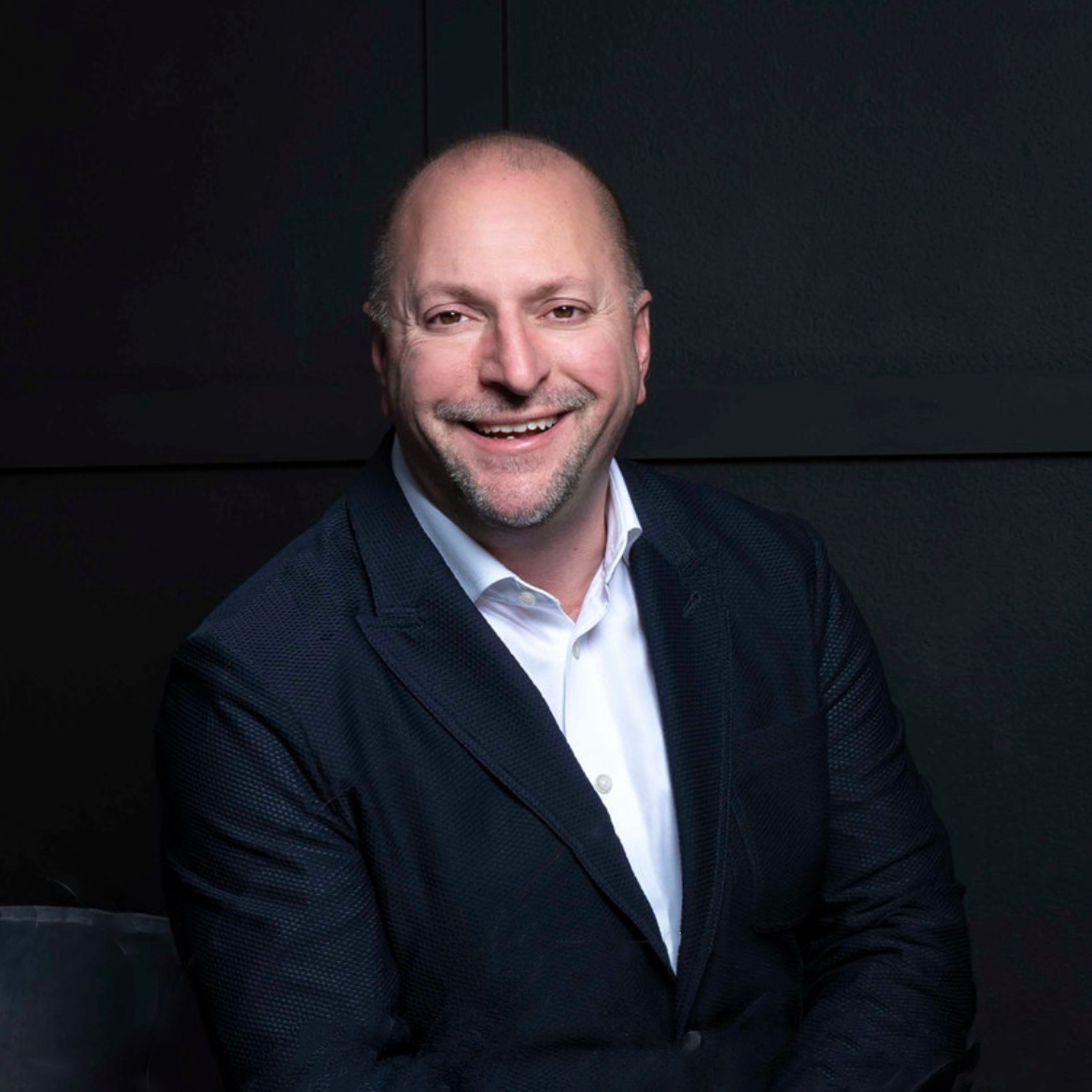
 By: Morten Sorensen, PMP, PgMP, PfMP & Matt Slates What an incredible experience presenting at PMI’s 2025 Global Summit in Phoenix! A huge thank you to everyone who joined our session on Measuring and Managing Enterprise Portfolio Health. Your energy and thoughtful questions made for a truly engaging discussion. Together with my colleague Matt Slates, we explored how organizations can strengthen strategic execution by building the maturity and processes needed to actively manage portfolio health across value, risk, funding, resources, and time. As we shared, delivering strategy isn’t just about tracking projects, it’s about understanding the health of the entire enterprise portfolio. We introduced a lightweight, universal framework for assessing portfolio health using five essential dimensions: Schedule, Budget, Risk, Resources, and Value. This approach works across delivery models and gives leaders clear, consistent visibility into what’s on track - and what’s quietly drifting. When organizations start analyzing these signals across the portfolio, patterns emerge that help identify early risks, systemic issues, and performance trends. One of the most powerful outcomes is the ability to make earlier, faster, and smarter decisions. By spotting cross-portfolio health patterns, such as recurring resource strain, chronic risk escalation, or value slippage, leaders can intervene long before issues become crises. As maturity grows, organizations can move toward predictive analytics, using historic health trends to forecast future risks, anticipate bottlenecks, and proactively shape investment decisions. This is where portfolio management evolves from reactive oversight to strategic foresight. The real value happens when these insights become part of governance. Monthly health assessments, enterprise-wide analysis, and targeted corrective actions give leaders the ability to make proactive, data-driven decisions, whether that means reallocating resources, resequencing investments, adjusting scope, or refocusing value priorities. Portfolio health isn’t a reporting exercise; it’s a capability that transforms how organizations manage risks and improve outcomes. It was inspiring to connect with so many professionals passionate about advancing portfolio management and driving strategic business value. Let’s keep the conversation going and continue learning from each other. If we didn’t get a chance to connect at the Summit, feel free to reach out. We’d love to hear about your experience with Portfolio Health Management. |
 By: Lissette Ind. Pimentel Sosa, PMP Participating in the PMI Global Summit has become a meaningful tradition for me. After attending for the last four years, I continue to find tremendous value in the sessions, the global perspectives, and the networking that brings our profession to life. This year in Phoenix exemplifies why the Summit remains such a powerful gathering, an intersection of ideas, cultures, and experiences that strengthens how we lead and collaborate across projects and industries. Leadership Rooted in Honesty and Human Connection The Summit opened with a compelling keynote from Kim Scott, bestselling author of Radical Candor. Her message was direct and refreshing: leadership built on clarity and care is essential in today’s workplace. She encouraged us to rethink how we communicate, build trust, and create environments where feedback is a growth tool rather than a source of fear. It was a grounding reminder that impactful leadership always begins with human connection. Strengthening Technical Program Management Skills A standout session for me was “Mastering the Art of Technical Program Management, Without a Technical Background,” delivered by Alexis Felton. Despite having a technical background myself, her insights resonated deeply, especially her emphasis on strategic thinking, alignment, empathetic listening, and cross-functional communication as the true drivers of program success. Her session highlighted a truth many of us recognize: technical expertise matters, but human skills amplify impact. Recovering Troubled Projects with Confidence One of the most dynamic sessions was “Being the ‘Wolf’: Cleaning Troubled Projects,” led by Kate Anderson and Kim Essendrup. Their charismatic delivery energized the room as they shared practical frameworks for rescuing struggling projects. The session offered tools for rebuilding trust, regaining control, and navigating uncertainty with calm leadership, skills increasingly essential in rapidly changing environments. I felt like I was in the middle of a live podcast (that was fun!). The L.O.V.E. Mindset: Leading with Empathy and Intentionality The session “The L.O.V.E. Mindset: Lead, Operate, Value Feedback, Engage with Empathy,” facilitated by Yasmina Khelifi and Laura Lazzerini provided a powerful reminder that empathy is not optional in modern leadership. They demonstrated how trust, feedback culture, and genuine interest in people fuel high-performing teams. This session also opened the door for a meaningful connection with Yasmina, which later led to the opportunity to have a written interview with her, about my volunteer journey, and this is another highlight that extended the Summit’s impact beyond the event itself. Purpose and Service Through the Power of Food The closing keynote from José Andrés, founder of World Central Kitchen, was among the most memorable moments of the Summit for me. His stories of service, resilience, and community transformation were deeply moving. As someone committed to volunteer work, his message reaffirmed my belief that social impact is built through consistent, purposeful action. His perspective reminded us that leadership extends beyond our projects, it reaches into our communities and our values. The Impact of Global Community As always, some of the richest learning came from conversations in hallways, networking lounges, and informal spaces. Connecting with project professionals from diverse sectors and regions expanded my perspective and reminded me of the strength of our global community. These interactions, often spontaneous and unplanned, are what make the Summit truly unique. My Final Thoughts The PMI Global Summit is more than an event, it is an invitation to reflect, reconnect with purpose, and continue shaping a profession defined by adaptability, humanity, and global collaboration. For those who couldn’t attend this year, I hope these insights offer a meaningful glimpse into the experience and the value it continues to bring to our community. |
|
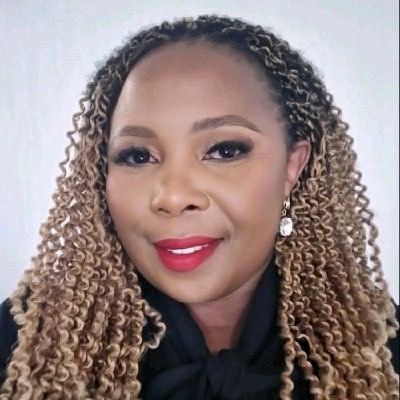
By: Yonela Mfeya In Africa, every gathering focused on development, innovation, or progress carries weight far beyond its agenda. For many of us, forums like the PMI Global Summit Series Africa (GSSA) are more than just opportunities to network; they are vital spaces for learning, convening, and collective problem-solving. I’ve been reflecting on the role conferences play in environments where challenges are not theoretical. In much of Africa, we are living the realities others only write about. We know what underfunded sectors look like. We know what it means to face a deep talent shortage while carrying the promise of the youngest population on the planet. We are acutely aware of the infrastructural gaps, digital divides, and policy lags. These aren’t abstract statistics - they are our daily hurdles. And if that weren’t enough, we wake up each day navigating shifting policies and shrinking aid - realities that demand relentless resilience from the project managers building against the odds. I’ve just returned from China, where talent development is treated as a national priority and embedded into every layer of economic planning. This was a striking reminder that if Africa is to rise, we cannot leave talent to chance. We must be just as deliberate. That’s why platforms like the Global Summit Series Africa matter. They offer more than dialogue; they offer direction. Dialogue, even without easy answers, is a form of action. While we may not have the luxury of historic institutions or vast resources, we have something many parts of the world are struggling to rekindle - urgency, powered by community. That same paradox applies to our development story. We didn’t create the systems shaping the global economy, but we’re expected to catch up, compete, and innovate all at once - with less. Which is why we can’t afford to wait for perfect conditions. Our path forward demands resourcefulness, collaboration, and spaces that challenge us to think beyond limitations. And so, the Global Summit Series Africa takes on a different meaning. It’s not a luxury. It’s a strategic imperative. In a landscape that demands innovation under pressure, GSSA becomes a space to reimagine how we lead, build, and leap forward. It’s where policymakers, corporate leaders, and the next generation of project managers come together to learn, unlearn, and lead. Sessions will tackle Africa’s persistent skills crisis, explore how to fund major infrastructure when international aid dries up, and examine how private capital can step in more meaningfully. Personally, I attend events like this because I want to stay hopeful, but not blindly so. I want to hear from voices across the continent who, like me, are tired of the overplayed “potential” narrative. Potential without execution is exhausting. That’s why I’ve come to see the Summit as our best opportunity to convert intention into coordinated action. When institutions like the African Development Bank show up, it signals more than interest; it signals alignment, influence, and the possibility of scale. In other parts of the world, learning is distributed across systems: universities, think tanks, innovation hubs. In our context, a three-day gathering like GSSA might be the only time a government advisor meets a start-up founder, or a university lecturer debates a corporate executive. That proximity, across borders, languages, and sectors, is powerful. It creates the kind of learning textbooks cannot replicate. Yes, we face inequities like talent gaps, funding shortfalls, and structural inertia. But as a project manager, my response is not despair. It is determination. That’s why the GSSA matters to me. If you are truly invested in building Africa, then your seat is at this table. |
|
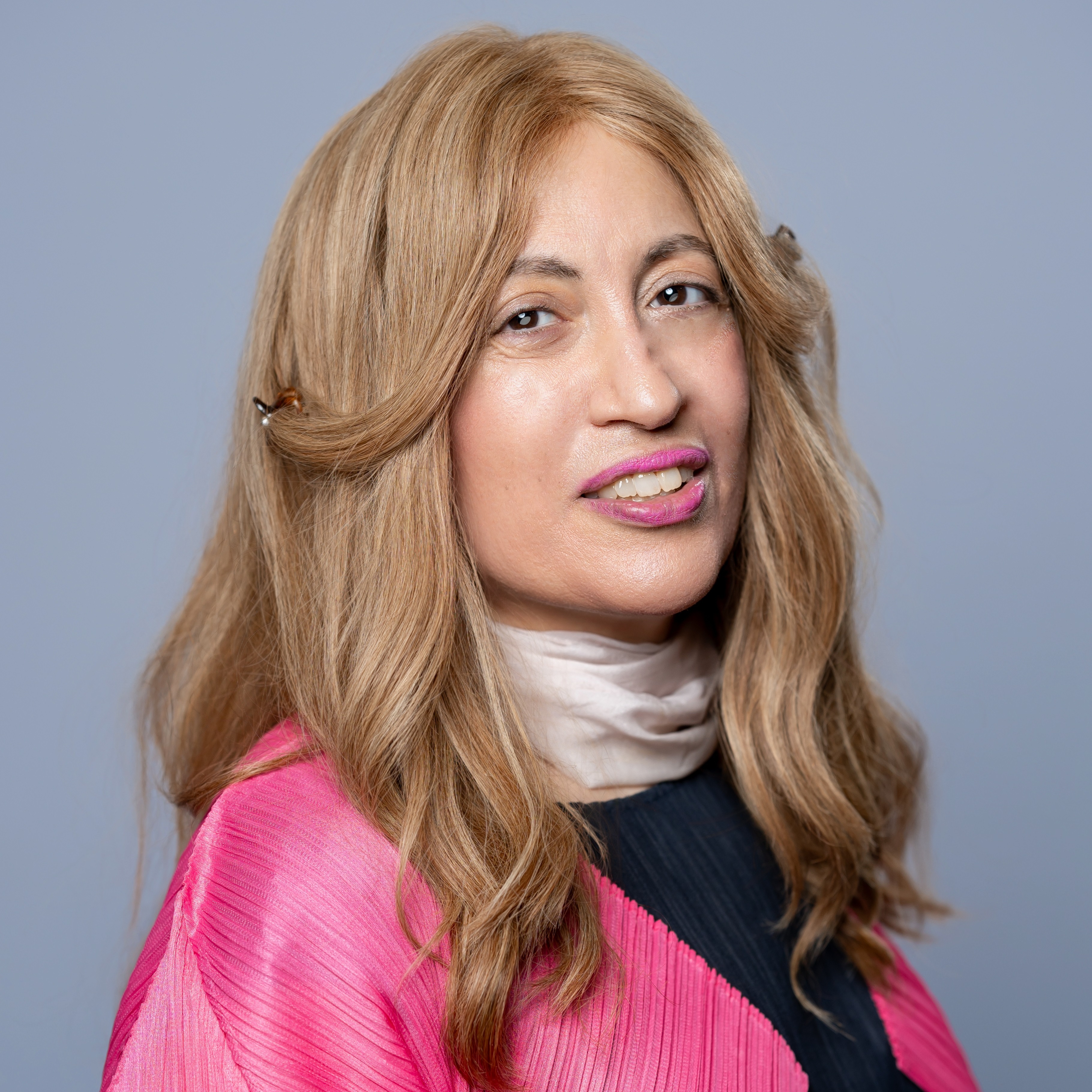
By: Laura Lazzerini, PMP & Yasmina Khelifi, PMP, PMI-ACP, PMI-PBA In April, we presented at the PMI Global Summit Series Europe 2025 event held in Barcelona. This was a great event with featured speakers, exhibits, and networking activities. Our presentation, Women in Project Management: Breaking the Glass Ceiling, focused on the roadblocks women may face and strategies to overcome them. These strategies are based on studies and research. We are lucky because we work in environments that help us move forward, and yet, many things need to be improved. Each of us can become a better ally to women project leaders from mentoring to advocating. During our presentation, we received a lot of great questions that we didn’t get a chance to cover, and my responses are below. Question: In my country, 50% of the PMs in companies are women and they are treated with the same respect as men. Why were these more positive things not mentioned? Answer: We could not cover all world regions, so we gave the example of Europe. It’s certainly the case that there could be situations with higher percentages than we discussed and others with lower percentages. Yasmina has worked with more women project leaders in Africa and Asia than in Europe, and Laura has worked with women project leaders in Europe and outside Europe. With regard to respect: we work in male-dominated environments that foster gender balanced roles, and we are treated with the same respect as men, even if, as women project leaders, we are in the minority. Being in the minority does not mean we are not treated with respect. Q: Don’t you think that dwelling on negative experiences and challenging situations encourages a ‘victim mentality’ among women? A: From our point of view, sharing our experiences and challenges as women project leaders does not portray women as victims. We both enjoy being women project leaders. But talking about our challenges is a way to share solutions and strategies and to encourage other women by saying: ‘You may face challenges, but you can overcome them.’ This kind of discussion may bring added value to women who are facing certain situations for the first time, so that they will be aware that they are not the only ones in this situation and that it’s possible to find solutions. Q: Do you think that, to be successful as a woman project leader, you should behave like a man? A: We don’t fully agree with this. We don’t need to pretend we are something we’re not when we enter the workplace. Laura’s view is that we need to change the culture so that women's behavior and way of working are accepted in the same way as men's. If we change our behavior to simulate that of men, we may lose our authenticity. Yasmina’s view is that we each have our own personality, and we need to develop work environments where we can express ourselves fully. We had a great time presenting, and the full presentation will be on demand through 30 January 2026. Visit the Global Summit Series Europe 2025 site for more details. |
|
"Failure is unimportant. It takes courage to make a fool of yourself." - Charlie Chaplin |