

Presentation Recap: Measuring and Managing Enterprise Portfolio Health
Categories:
Global Summit
Categories: Global Summit


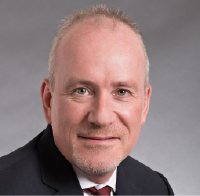 By: Morten Sorensen, PMP, PgMP, PfMP & Matt Slates What an incredible experience presenting at PMI’s 2025 Global Summit in Phoenix! A huge thank you to everyone who joined our session on Measuring and Managing Enterprise Portfolio Health. Your energy and thoughtful questions made for a truly engaging discussion. Together with my colleague Matt Slates, we explored how organizations can strengthen strategic execution by building the maturity and processes needed to actively manage portfolio health across value, risk, funding, resources, and time. As we shared, delivering strategy isn’t just about tracking projects, it’s about understanding the health of the entire enterprise portfolio. We introduced a lightweight, universal framework for assessing portfolio health using five essential dimensions: Schedule, Budget, Risk, Resources, and Value. This approach works across delivery models and gives leaders clear, consistent visibility into what’s on track - and what’s quietly drifting. When organizations start analyzing these signals across the portfolio, patterns emerge that help identify early risks, systemic issues, and performance trends. One of the most powerful outcomes is the ability to make earlier, faster, and smarter decisions. By spotting cross-portfolio health patterns, such as recurring resource strain, chronic risk escalation, or value slippage, leaders can intervene long before issues become crises. As maturity grows, organizations can move toward predictive analytics, using historic health trends to forecast future risks, anticipate bottlenecks, and proactively shape investment decisions. This is where portfolio management evolves from reactive oversight to strategic foresight. The real value happens when these insights become part of governance. Monthly health assessments, enterprise-wide analysis, and targeted corrective actions give leaders the ability to make proactive, data-driven decisions, whether that means reallocating resources, resequencing investments, adjusting scope, or refocusing value priorities. Portfolio health isn’t a reporting exercise; it’s a capability that transforms how organizations manage risks and improve outcomes. It was inspiring to connect with so many professionals passionate about advancing portfolio management and driving strategic business value. Let’s keep the conversation going and continue learning from each other. If we didn’t get a chance to connect at the Summit, feel free to reach out. We’d love to hear about your experience with Portfolio Health Management. |
Elevating Leadership Through Community: Reflections from the PMI Global Summit 2025
Categories:
Global Summit
Categories: Global Summit
 By: Lissette Ind. Pimentel Sosa, PMP Participating in the PMI Global Summit has become a meaningful tradition for me. After attending for the last four years, I continue to find tremendous value in the sessions, the global perspectives, and the networking that brings our profession to life. This year in Phoenix exemplifies why the Summit remains such a powerful gathering, an intersection of ideas, cultures, and experiences that strengthens how we lead and collaborate across projects and industries. Leadership Rooted in Honesty and Human Connection The Summit opened with a compelling keynote from Kim Scott, bestselling author of Radical Candor. Her message was direct and refreshing: leadership built on clarity and care is essential in today’s workplace. She encouraged us to rethink how we communicate, build trust, and create environments where feedback is a growth tool rather than a source of fear. It was a grounding reminder that impactful leadership always begins with human connection. Strengthening Technical Program Management Skills A standout session for me was “Mastering the Art of Technical Program Management, Without a Technical Background,” delivered by Alexis Felton. Despite having a technical background myself, her insights resonated deeply, especially her emphasis on strategic thinking, alignment, empathetic listening, and cross-functional communication as the true drivers of program success. Her session highlighted a truth many of us recognize: technical expertise matters, but human skills amplify impact. Recovering Troubled Projects with Confidence One of the most dynamic sessions was “Being the ‘Wolf’: Cleaning Troubled Projects,” led by Kate Anderson and Kim Essendrup. Their charismatic delivery energized the room as they shared practical frameworks for rescuing struggling projects. The session offered tools for rebuilding trust, regaining control, and navigating uncertainty with calm leadership, skills increasingly essential in rapidly changing environments. I felt like I was in the middle of a live podcast (that was fun!). The L.O.V.E. Mindset: Leading with Empathy and Intentionality The session “The L.O.V.E. Mindset: Lead, Operate, Value Feedback, Engage with Empathy,” facilitated by Yasmina Khelifi and Laura Lazzerini provided a powerful reminder that empathy is not optional in modern leadership. They demonstrated how trust, feedback culture, and genuine interest in people fuel high-performing teams. This session also opened the door for a meaningful connection with Yasmina, which later led to the opportunity to have a written interview with her, about my volunteer journey, and this is another highlight that extended the Summit’s impact beyond the event itself. Purpose and Service Through the Power of Food The closing keynote from José Andrés, founder of World Central Kitchen, was among the most memorable moments of the Summit for me. His stories of service, resilience, and community transformation were deeply moving. As someone committed to volunteer work, his message reaffirmed my belief that social impact is built through consistent, purposeful action. His perspective reminded us that leadership extends beyond our projects, it reaches into our communities and our values. The Impact of Global Community As always, some of the richest learning came from conversations in hallways, networking lounges, and informal spaces. Connecting with project professionals from diverse sectors and regions expanded my perspective and reminded me of the strength of our global community. These interactions, often spontaneous and unplanned, are what make the Summit truly unique. My Final Thoughts The PMI Global Summit is more than an event, it is an invitation to reflect, reconnect with purpose, and continue shaping a profession defined by adaptability, humanity, and global collaboration. For those who couldn’t attend this year, I hope these insights offer a meaningful glimpse into the experience and the value it continues to bring to our community. |
Presentation Recap: ESG Integration and Project Management for a Greener Future
Categories:
Global Summit
Categories: Global Summit
|
By: Joseph Musiitwa, PgMP, PMP, ACP I had the privilege of presenting at the Global Summit 2024 Los Angeles event, held at the Los Angeles Convention Center earlier this year. This was a fantastic event with featured speakers, exhibits, and ample networking opportunities. My presentation, ESG Integration: Project Management for a Greener Future, focused on the critical role of project managers in driving sustainable practices and creating a greener world. The Problem at Hand In today's rapidly evolving business landscape, the imperative for sustainable practices has never been more urgent. Climate change, resource depletion, and social inequality are pressing global challenges that demand innovative solutions. Project managers, as the architects of change, are uniquely positioned to integrate environmental, social, and governance (ESG) considerations into their projects, ensuring a more sustainable and equitable future. Key Takeaways
Questions and Answers During my presentation, I received several insightful questions from the audience. Here is one of the most common queries and my response: Q: As a PMP certified professional, how can I obtain proper training in ESG integration, especially given the lack of formal regulations in my region? A: While formal regulations may not be in place yet, there are many resources available to help you acquire the necessary knowledge and skills. Here are some recommendations:
By taking these steps, you can equip yourself with the knowledge and skills needed to become a successful ESG-focused project manager and contribute to a more sustainable future. I had a great time presenting, and the full presentation will be available on-demand through January 31, 2025. Visit Global Summit 2024 | Los Angeles for more details. |

Presentation Recap: What Does the Right Kind of Leadership Look Like?
Categories:
Global Summit
Categories: Global Summit
|
By: Rose James, PMI-ACP, PMP I had the privilege of presenting at Global Summit 2024 Los Angeles, an event that brought together project management professionals, thought leaders, and innovators from around the world. The summit was packed with inspiring keynote speakers, interactive exhibits, and countless networking opportunities. My presentation focused on exploring the essential qualities of effective leadership and offering tools and strategies for leaders to elevate their impact within their teams and organizations. Defining what truly makes a leader effective is more crucial than ever. Many professionals, especially in project management, struggle to understand the right balance of qualities, skills, and styles required to lead teams successfully. This lack of clarity can create roadblocks to productivity, engagement, and overall project success. My presentation addressed these challenges by introducing the TERA model as a framework for understanding and implementing effective leadership. We explored the neuroscience behind engagement and how leaders can leverage four key drivers—Tribe, Expectation, Rank, and Autonomy—to foster an environment where team members feel safe, motivated, and empowered to perform at their best. Attendees left with practical strategies to adopt these TERA drivers in their projects, enhancing collaboration, trust, and productivity. Key Takeaways 1. Understanding the Neuroscience of Engagement Central to effective leadership is the concept of engagement. Our brains are constantly assessing our environment for cues of safety and reward versus risk. When people feel safe and valued, they are more likely to engage, contribute, and innovate. Leaders who understand these principles can create conditions that encourage team members to give their best effort. 2. Implementing the TERA Drivers The TERA model provides leaders with a practical framework for engaging their teams:
By focusing on these drivers, leaders can build an environment where individuals feel a sense of belonging, confidence, and empowerment.
3. Adapting Leadership Styles One size does not fit all when it comes to leadership. A successful leader knows when to shift between different styles—autocratic, democratic, laissez-faire, and transformational—depending on the context. Flexibility and adaptability are crucial for meeting the needs of diverse situations and team dynamics. 4. Avoiding Leadership Pitfalls and Misconceptions Many leaders fall into common traps, such as feeling the need to control every situation or thinking that authority alone defines leadership. My talk highlighted these misconceptions, reminding leaders that influence, empathy, and clear communication are often more impactful than authority alone. Q&A: Questions from Attendees During my presentation, I received some insightful questions from the audience. Although we didn't have time to address all of them during the session, I wanted to share my responses to a few of the most impactful questions.
Transitioning between leadership styles requires awareness of the situation and an understanding of your team's needs. For example, in high-stakes scenarios with tight deadlines, an autocratic approach may be necessary to ensure quick decision-making. However, in more collaborative or innovative scenarios, a democratic or transformational style may be better suited to encourage team input and creativity. The key is to remain adaptable and tuned into the specific requirements of each situation.
Psychological safety is foundational to team engagement and productivity. Leaders can foster this by creating an environment where team members feel safe to express themselves without fear of judgment or negative consequences. This can be achieved by encouraging open dialogue, validating team members' contributions, and actively listening to feedback. Additionally, demonstrating vulnerability and admitting mistakes as a leader can model behavior that makes it safe for others to do the same.
Preventing burnout involves creating a balanced environment where team members feel supported while also being challenged. Leaders should encourage regular breaks, promote healthy work boundaries, and recognize individual efforts and achievements. Additionally, fostering a sense of autonomy can empower team members, allowing them to manage their tasks in a way that aligns with their personal strengths and work styles. High performance is best sustained when team members feel energized and valued, not overextended. Closing Thoughts I had a fantastic time presenting at Global Summit 2024 Los Angeles with attendees from all over the world. The energy and curiosity in the room underscored just how important this topic is across industries. I hope the insights I shared help project managers and leaders cultivate environments that inspire trust, engagement, and productivity. If you're interested in learning more, the full presentation will be available on-demand through January 31, 2025. Visit Global Summit 2024 | Los Angeles for more details. |


Presentation Recap: The Artistry of Agile Ways of Working in the BANI Era
Categories:
Global Summit
Categories: Global Summit
|
By: Vinay Babu Tarala, PMP, PMI-ACP, DASSM Recently, I had the privilege of presenting at Global Summit 2024 Los Angeles. The event brought together inspiring speakers, innovative exhibits, and invaluable networking opportunities. My presentation, Beyond Boundaries: The Artistry of Agile Ways of Working in the BANI Era, delved into adapting Agile practices to thrive in a world defined by its brittleness, anxiety, non-linearity, and incomprehensibility (BANI). In the session, I discussed the key challenges project managers face in today's BANI landscape and offered practical strategies to adapt Agile methodologies to enhance flexibility, responsiveness, and resilience. Project management professionals are increasingly navigating environments characterized by uncertainty, complexity, and volatility—hallmarks of the BANI world. My presentation addressed the urgent need to evolve Agile practices to meet these challenges, emphasizing the importance of adaptive, people-centric approaches. Key Takeaways
Audience Questions During the session, I received insightful questions from the audience. Below, I share my responses to a few selected questions that highlight the core aspects of my presentation. Question 1: How can project managers maintain stability in BANI environments? Answer: Project managers can foster stability by prioritizing psychological safety within teams, encouraging experimentation, and developing a culture of continuous learning. By supporting flexible frameworks that can scale and shift as needed, managers can ensure that the team remains adaptable and resilient. Question 2: What role does AI play in Agile project management in a BANI world? Answer: AI has become essential in providing data-driven insights and predictive analytics, enabling project managers to make proactive decisions. In a BANI environment, AI tools can assist in risk management, workload balancing, and uncovering patterns that might not be immediately visible, allowing teams to stay one step ahead. Question 3: How can Agile practices help reduce anxiety and incomprehensibility in complex projects? Answer: Agile emphasizes incremental progress and transparency, which can reduce the overwhelming feeling of tackling large, complex projects. By breaking down work into smaller, manageable chunks and maintaining open communication, teams can more easily understand project goals and progress, which reduces anxiety. Question 4: What advice would you give for incorporating Agile in highly regulated industries? Answer: In regulated industries, Agile can still be effective by focusing on compliance as an integral part of each sprint. Collaborating with regulatory experts from the start, establishing clear compliance checklists, and including regulatory review within the Agile framework can ensure adherence to standards without sacrificing agility. Question 5: How can project managers stay resilient amidst continuous change? Answer: Resilience can be built by cultivating a culture of adaptability, where team members are encouraged to embrace change and view it as an opportunity for growth. Developing skills in stress management, promoting work-life balance, and practicing Agile retrospectives to reflect and improve also contribute to a resilient team. Thank you for the engaging questions and for joining me at Global Summit 2024 Los Angeles. I look forward to continuing the conversation here and learning from fellow professionals on how we can push the boundaries of Agile in today's BANI world. For those who missed the session, the full presentation is available on demand through 31 January 2025. Visit Global Summit 2024 | Los Angeles for more details. |



