


When results aren’t enough: Rethinking Leadership


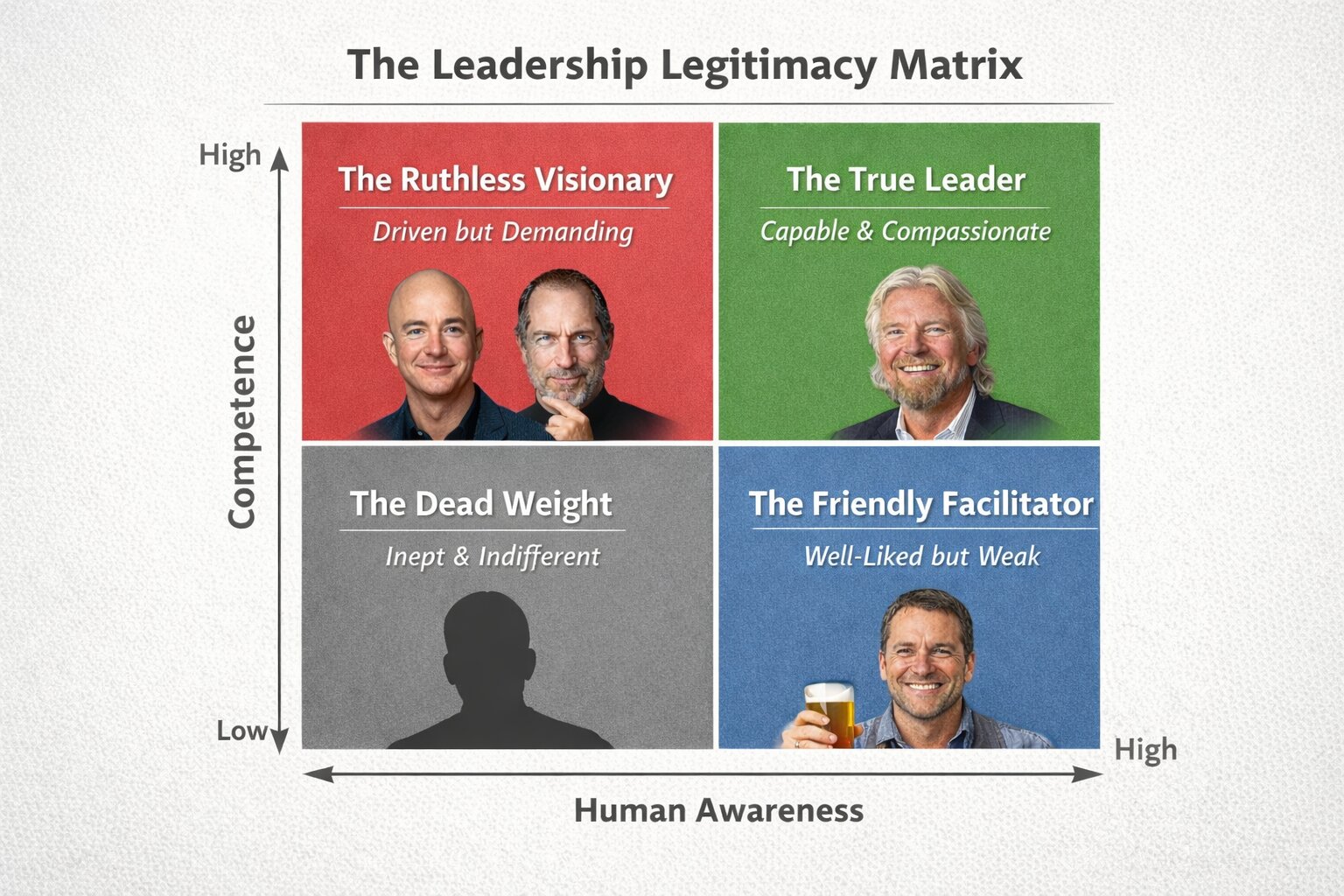
| We often label bad experiences at work as toxic leadership. It’s a convenient shortcut to explain disengagement or quiet resentment. But the more I reflect on it, the more the term itself starts to feel misleading. Because if leadership is toxic, if if it consistently erodes trust and destroys long‑term value, should we still call it leadership? To explore this question, I find it useful to strip leadership down to two fundamental dimensions. A simple leadership matrixImagine leadership mapped across two axes:
Cross these two dimensions, and four leadership archetypes emerge. |
The Sagrada Família: A living Project Management case study
In project management we obsess about three constraints: scope, schedule and budget. Rarely does a single project illustrate the tension between them more dramatically than Barcelona’s Sagrada Família.1) A Schedule Without a Deadline (…for a Very Long Time)Construction of the Sagrada Família began in 1882 under architect Francisco de Paula del Villar; Antoni Gaudí took over in 1883 and transformed it into his life’s work. When Gaudí died in 1926, less than a quarter of the basilica was complete. For decades there was no realistic finish date. Interruptions - most notably the Spanish Civil War - and the loss of Gaudí’s plans only compounded uncertainty. In the early 21st century, project planners set 2026 (the 100th anniversary of Gaudí’s death) as a symbolic completion date for the main structures, especially the tallest central tower. However, decorative elements, interior work and ancillary features (like the controversial grand entrance stairway) are now expected to extend into the mid-2030s. 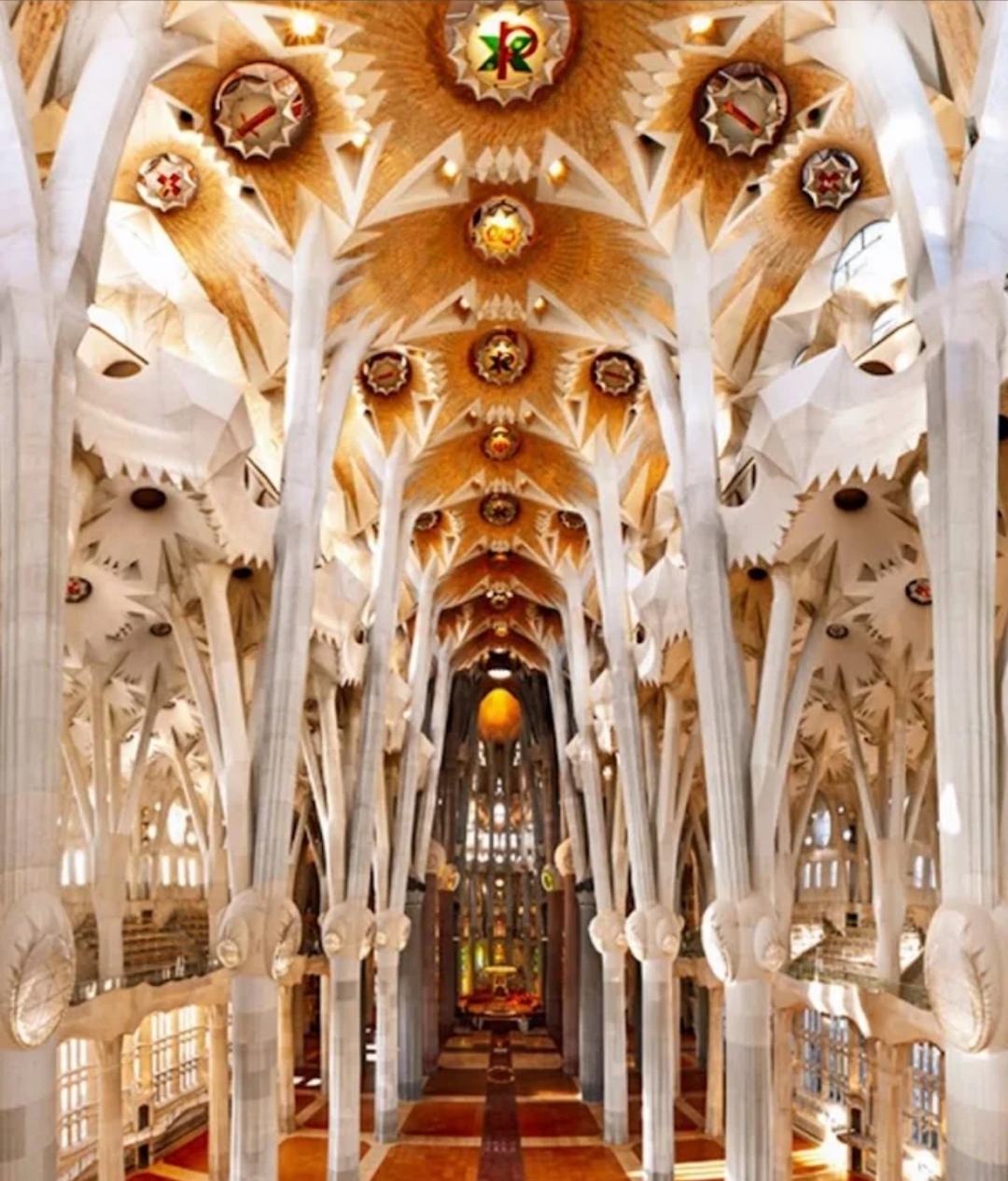 This makes the Sagrada Família one of the longest-running construction projects in history, approaching 150 years and counting, yet still deeply relevant and alive. A useful comparison is the Sydney Opera House, which began construction in 1959 with an expected delivery of 1963 and ultimately opened in 1973, 10 years behind schedule and dramatically over budget, yet today is celebrated not as a failure but as a monumental success. 2) Scope: From Cross to Cathedral to Cultural IconThe project’s scope has not been static. Early plans envisaged a monumental Christian cross configuration that would have required demolishing entire city blocks in Barcelona’s Eixample district, a plan that would be socially and politically untenable today. Over time, the focus shifted to building the basilica itself, and the symbolic cross of the Christian faith is now expressed primarily through the central tower dedicated to Jesus Christ, not as an urban-scale structure. This evolution reflects a unique interpretation of scope, less as “scope creep” and more as scope negotiation across generations, adjusting to cultural values, urban constraints and stakeholder expectations. 3) Budget: Finance Through Visitors, Not GovernmentsUnlike most large-scale heritage or civic projects, the Sagrada Família is not financed by state or church funds. From the beginning, it has relied on private donations, and in the modern era its primary funding source is ticket sales, which bring in millions of euros annually. Tourism revenue now directly supports ongoing construction, turning the budget constraint into a living mechanism rather than a fixed baseline. In 2024 the basilica attracted around 4.9 million visitors, making it one of Europe’s most visited monuments... despite being unfinished! 4) A Project That Breaks the Rules — and Still SucceedsBy traditional PMI standards, the Sagrada Família would seem to fail: - Schedule: No fixed deadline for most of its existence, regularly revised and extended. - Scope: Evolved radically from its original concept. - Budget: Dependent on market-driven revenue, not fixed capital allocations. And yet the project has become a global icon, a UNESCO World Heritage Site, and a thriving cultural and religious destination that draws millions of visitors each year. Projects such as the Sydney Opera House remind us that late and over budget does not inherently mean failure. What matters more is impact, enduring value, adaptability, and stakeholder engagement over time. The Sagrada Família challenges many of the assumptions we make about what defines project success. - Can a project still be considered successful if scope, schedule, and budget are never fully stabilized? - At what point does long-term value outweigh delivery efficiency? - Are there projects today (e.g. digital, infrastructure, or product-based) that should be managed more like living systems than finite initiatives? And perhaps the most uncomfortable question of all: how many potentially great projects do we cancel too early because they don’t fit our traditional success criteria? |
From the lab to the office. A brief story of my journey in Project Management
| This is the story of how, almost unintentionally, I moved from the world of chemistry into Life Sciences. It’s a journey of changes, lessons, and challenges. My hope is that, as you read it, you’ll find inspiration, a useful idea—or at least a good read.
I studied Chemical Engineering at the University of Barcelona, and when I graduated, I was convinced that job opportunities would come easily. They didn’t. At that time, the internet was still underdeveloped, and job applications meant sending résumés and cover letters by regular post. Many of those applications ended up as rejection letters—letters I still keep today as a reminder that perseverance pays off. Eventually, I earned a research grant at the Spanish National Research Council (CSIC, Consejo Superior de Investigaciones Científicas), marking the beginning of my professional career. There, I had an exceptional mentor who encouraged me to gain international experience. What was supposed to be one year in the U.S. turned into almost three and a half. During that time, I significantly improved my English and immersed myself in a new culture of work and life. My first step into medical devices came from a desire to move beyond pure R&D and into project management. In that very first role as a project manager, I also created an account on ProjectManagement.com, which was an invaluable resource to start understanding this marvelous field. The guidance of great professionals like Kiron and Rami, amongst many others, made the early learning curve much smoother and inspired me to keep developing as a project leader. That’s where I learned to lead complex initiatives and coordinate multiple stakeholders. I also discovered that a project plan is much more than a Gantt chart: it’s a living tool that must adapt constantly, reflect input from the people involved, and anticipate problems before they surface. This experience opened the door to the pharmaceutical industry in Amsterdam, where I further developed my career in Life Sciences. Over the years, I’ve had the privilege to lead projects of all kinds: from strategic initiatives to supply medical devices to a key client, to digitalization projects with critical timelines, to technology transfers and scale-ups in both upstream processing (USP) and downstream processing (DSP). Each project pushed me to grow new skills and adapt to different rhythms and circumstances—while always keeping the ability to prioritize and move forward, even when things didn’t go as planned. One of the most valuable lessons I’ve learned can be summed up in the principle of ABC: Assume nothing, Believe no one, Check everything. Never take things for granted. Validate assumptions. Execute diligently. And above all, keep communication flowing. Clear, consistent communication can be the difference between a project that moves forward and one that stalls. For those starting out in Life Sciences, my advice is simple: know your value and your value proposition. Research the company, understand your strengths, and learn to sell yourself. Define your area of expertise, ensure you have the right training and certifications, and analyze what makes you a stronger candidate than others. It’s not enough to be good, you need to demonstrate it. And if you need support for that introspective work (something we all know we should do but often postpone), don’t hesitate to work with a good coach who can guide you and ask the right questions. Follow your curiosity, stay humble enough to keep learning, and never underestimate the power of communication and collaboration. In the end, working in Life Sciences is about finding your own ikigai: that point where what you love, what you’re good at, what the world needs, and what you can be paid for all come together. |
 My entry into Life Sciences wasn’t something I actively sought from the start. With a background in Chemical Engineering and years of experience in R&D within the chemical sector, my professional aspirations eventually led me to explore opportunities outside the lab. That exploration opened the door to the world of medical devices.
What if Keanu Reeves ran your project?
Categories:
Leadership
Categories: Leadership
| In a previous post, we looked at Luis Enrique’s leadership style, intense and authentic. That exploration led us to ask broader questions about what leadership is about, beyond what has been written in numerous books. We often talk about what makes a good project manager: communication skills, time management (sense of urgency!), stakeholder engagement or risk management, among many others. These are important, even essential. But they aren’t the whole picture. What if we looked beyond competence? What if we imagined a project manager with not only the right skills but the right soul? This isn’t just about emotional intelligence. It’s about the human being behind the project manager — the person who shows up with values, resilience and compassion. Because at the end of the day, regardless of our role or personal wealth, we are all humans with an innate desire to cooperate, contribute, and connect.
- The death of his child - The passing of his partner - The loss of his close friend River Phoenix - Years of solitude and personal battles, including caring for his sister through leukemia And yet, through all of this, he continues to give and treat others with respect, whether it’s sharing his earnings with crew members or waiting in line like anyone else. He doesn’t just survive hardship. So what lessons could we draw from this “saintly” version of a project manager? Grace under pressure As just noted, Keanu Reeves is no stranger to tragedy. Yet, he remains grounded and composed. A “Keanu PM” wouldn’t lash out in a crisis or shift blame when things go wrong. They’d hold the team steady when the company changes project priorities for the third time in six months or when the vendor delays delivery again on critical equipment. Calm doesn’t mean passive — it means anchored. Lesson: A truly great PM is emotionally resilient. They’re a calming force when others are storming. Radical humility Despite a net worth estimated at over $380 million, Reeves is known for taking the subway, carrying his own gear on set, helping strangers, and staying out of the spotlight. He’s gifted millions to stunt crews and quietly supported cancer research without attaching his name to it. For project leadership, this translates into egoless management. The Keanu PM doesn’t need credit or control. They elevate the team, listen deeply, and let results speak for themselves. Lesson: The best PMs make space for others to shine. No preaching There’s a moral clarity in how Reeves lives — respectful, professional, generous. He doesn’t grandstand, but he doesn’t compromise on what matters either. For a PM, this might look like saying no to shortcuts that threaten quality. It might mean standing up for a team under unrealistic deadlines or pushing back when decisions are misaligned with values. Lesson: A strong ethical compass is most powerful when it’s lived, not lectured. Consistency over perfection Saints aren’t flawless — they’re consistent. Reeves is known for his discipline: showing up for every role with the same humility and dedication, whether it’s Hamlet on stage or The Matrix on screen. Likewise, the Keanu PM doesn’t need to be the smartest or fastest. They need to be the one who shows up fully every day, even when no one is watching. As the saying goes: "Quality is what you do when no one is watching." Lesson: Trust is built through small, consistent acts of responsibility. Silence (can be) golden We live in a world of noise: slack notifications, back to back meetings, fires to put out... Silence is underrated. The Keanu archetype brings something rare: stillness. Not inertia, but the ability to pause, reflect, and respond, instead of reacting. A mindful PM sees the bigger picture, reads the room, and leads from a place of groundedness. Lesson: Strategic pauses are not a luxury — they’re a leadership necessity. In a nutshell If we imagined a saintly project manager — someone with impeccable character, quiet strength, and a deep sense of care — it might not look flashy. But it would be unforgettable. Remember that quote: “People will forget what you said, but not how you made them feel.” The Keanu Reeves of project management may never trend on LinkedIn or win a flashy award. But their teams would trust them. Their projects would last. And their leadership would echo far beyond the final deliverable. Maybe that’s what real success looks like. |
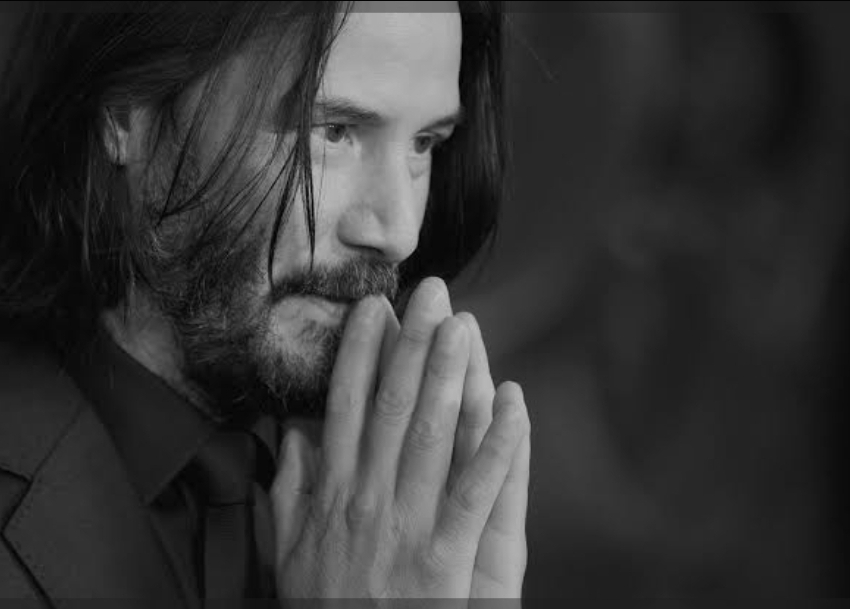 On that note, let’s explore a thought-provoking idea: what if Keanu Reeves were a project manager? Not the actor per se, but the essence of how he moves through the world. The internet is full of reels and short clips celebrating how Reeves has navigated enormous personal tragedy with humility and dignity:
From the pitch to the project; Leadership that delivers
Categories:
Leadership
Categories: Leadership
| Whether or not you follow football (or soccer), moments of exceptional leadership have a way of cutting through context and resonating universally. One such moment unfolded after Paris Saint-Germain’s (PSG) 5–0 victory over Inter Milan in the Champions League final on May 31st. In his post-match interview, coach Luis Enrique delivered more than just comments — he offered a masterclass in leadership. It was a timely reminder that leadership isn’t theoretical. It’s something you live, not just learn about in books. You can read hundreds of articles or attend workshops on leadership, but sometimes the clearest understanding comes from observing someone who leads with results — and substance.
🧠 Use of inclusive language builds Psychological Safety Rather than framing the win as a personal achievement, Luis Enrique repeatedly used “we” — reinforcing the idea that success was shared. This subtle choice of words builds unity and fosters psychological safety, creating space for collective ownership and trust. In project management, where team cohesion is vital, this mindset is essential. Success rarely hinges on individual brilliance alone. And in an environment like professional sports — often dominated by ego — such inclusive language is even more striking. It’s a reminder that even top performers thrive when their leader highlights team over self. 🌱 Spotting and nurturing potential drives long-term results Luis Enrique is known for putting faith in young and emerging talent, not just proven stars. As project managers, we face the same choice: do we stick with the tried-and-tested, or do we recognize and develop potential? Choosing the latter can unlock surprising, long-term value — and it’s what separates a task manager from a true leader. Simon Sinek touches on this beautifully in Leaders eat last, a book that left a strong impression on me. He writes that great leaders create environments where people feel safe, trusted, and empowered — and where they grow as a result. That sense of responsibility for others’ development is what defines leadership at its core. 🎲 Acknowledging the role of luck brings humility When asked about his team’s success, Enrique didn’t just highlight preparation or strategy — he acknowledged that luck also played a role. It was a humble, honest answer. In project management, this humility is vital. No matter how meticulous our planning, external factors — market shifts, stakeholder dynamics, unexpected delays — can influence the outcome. Seneca said it best: “Luck is what happens when preparation meets opportunity.” The best leaders understand this. They prepare rigorously but remain open to uncertainty, building flexibility and contingency into their plans. 🎯 Focusing on team goals builds trust Luis Enrique isn’t chasing personal accolades. His focus is clearly on collective performance and long-term growth — not just headlines. Project managers who prioritize team and project outcomes over personal credit build lasting trust. That trust creates an environment where collaboration can flourish. The same principle applies to entrepreneurs. When the focus shifts from “How much can I gain?” to “How much value can I deliver?”, success tends to follow. Recognition can be a byproduct, but it shouldn't be the end goal. 🔍 Developing other leaders multiplies impact A particularly telling moment was Enrique highlighting Ousmane Dembélé — a player who had often been overlooked, but who was instrumental in the win. Elevating others is a subtle yet powerful leadership move. For PMs, this means empowering senior team members, giving them space to lead, and encouraging mentorship within the team. It’s how resilient, self-sufficient teams are built. Too often, the “deputy” or second-in-command role is undervalued. But those individuals — the ones quietly making things happen — are essential to scaling leadership and ensuring continuity when you're not in the room. 🔥 Inspiring belief in the face of adversity After the departure of star player Kylian Mbappé, many expected PSG to stumble. Instead, the team doubled down and thrived. That speaks volumes about the culture Enrique has built. Projects are no different. Budget cuts, changing scopes, sudden resource losses — these can derail momentum. But great leaders keep the team grounded and optimistic, even when the landscape shifts. As the saying goes: no one is irreplaceable. What matters is the collective mindset — and the ability of the leader to keep belief alive, no matter the circumstances. 🪫 Managing success is harder than chasing it Luis Enrique made a compelling point: achieving success is one thing; managing it is another. After a project launch or key milestone, it’s tempting to relax. But that’s often when the real work begins. For PMs, the post-delivery phase — whether it’s optimization, user adoption, or continuous improvement — demands just as much attention. Sustaining performance and maintaining trust is a discipline in itself. 💔 Leading with humanity deepens connection Perhaps the most moving leadership lesson wasn’t tactical, but personal. Luis Enrique continues to lead with strength and grace despite the tragic loss of his daughter. His resilience and openness command deep respect. In a professional world that often prizes detachment, leading with humanity is powerful. It creates loyalty, builds authentic relationships, and fosters psychological safety. Compassion isn’t weakness — it’s leadership at its most real. Final thoughts Leadership books offer structure and ideas. But when we see leadership under real pressure — in a high-stakes final, under the scrutiny of millions — we’re reminded what it actually looks like. For project managers, Luis Enrique’s post-match interview wasn’t just a sports recap. It was a mirror. A reminder that leadership shows up in how we speak, how we decide, how we empower others, and how we carry ourselves when things go sideways. 🔅 What about you? Which of these traits resonate with you most? Are there other leadership moments — in or out of sport — that have stayed with you? |
.png) Here are eight powerful leadership lessons I took from that interview — applicable far beyond sports, and particularly valuable for anyone steering complex projects to success.


