Support to Develop
by Luis Branco

This blog addresses management-related topics and has three areas of focus: 1. Technical skills; 2. Competencies in the field of interpersonal relations and communication (including personal organization and delegation, leadership, teamwork, conflict resolution, conducting meetings, and negotiation); and 3. Strategy (including diagnosis, strategic guidelines, and implementation).4.Technology
Recent Posts
The Contestable Organization
The Self-Reinforcing Organization
What Should Never Be Optimized Away?
What If Organizing Work Is No Longer Primarily a Human Capability?
Where Does Organizational Wisdom Live?
Categories
Agile,
Career Development,
Career Development,
Career Development,
Career Development,
Career Development,
Career Development,
Career Development,
Career Development,
Career Development,
Career Development,
Career Development,
Career Development,
Career Development,
Career Development,
Career Development,
Career Development,
Career Development,
Career Development,
Career Development,
Career Development,
Career Development,
Career Development,
Career Development,
Career Development,
Career Development,
Career Development,
Career Development,
Career Development,
Career Development,
Career Development,
Career Development,
Career Development,
Career Development,
Career Development,
Career Development,
Career Development,
Career Development,
Career Development,
Career Development,
Career Development,
Career Development,
Career Development,
Career Development,
Career Development,
Career Development,
Career Development,
Career Development,
Career Development,
Career Development,
Career Development,
Career Development,
Career Development,
Career Development,
Career Development,
Career Development,
Career Development,
Career Development,
Career Development,
Career Development,
Career Development,
Career Development,
Career Development,
Career Development,
Career Development,
Career Development,
Career Development,
Career Development,
Career Development,
Career Development,
Career Development,
Career Development,
Career Development,
Career Development,
Career Development,
Career Development,
Career Development,
Career Development,
Career Development,
Career Development,
Career Development,
Career Development,
Career Development,
Career Development,
Career Development,
Career Development,
Career Development,
Career Development,
Career Development,
Career Development,
Career Development,
Career Development,
Career Development,
Career Development,
Career Development,
Career Development,
Career Development,
Career Development,
Interpersonal Skills,
Interpersonal Skills,
Interpersonal Skills,
Interpersonal Skills,
Interpersonal Skills,
Interpersonal Skills,
Interpersonal Skills,
Interpersonal Skills,
Interpersonal Skills,
Interpersonal Skills,
Interpersonal Skills,
Interpersonal Skills,
Interpersonal Skills,
Interpersonal Skills,
Interpersonal Skills,
Interpersonal Skills,
Interpersonal Skills,
Interpersonal Skills,
Interpersonal Skills,
Interpersonal Skills,
Interpersonal Skills,
Interpersonal Skills,
Interpersonal Skills,
Interpersonal Skills,
Interpersonal Skills,
Interpersonal Skills,
Interpersonal Skills,
Interpersonal Skills,
Interpersonal Skills,
Interpersonal Skills,
Interpersonal Skills,
Interpersonal Skills,
Interpersonal Skills,
Interpersonal Skills,
Interpersonal Skills,
Interpersonal Skills,
Interpersonal Skills,
Interpersonal Skills,
Interpersonal Skills,
Interpersonal Skills,
Interpersonal Skills,
Interpersonal Skills,
Interpersonal Skills,
Interpersonal Skills,
Interpersonal Skills,
Interpersonal Skills,
Interpersonal Skills,
Interpersonal Skills,
Interpersonal Skills,
Interpersonal Skills,
Interpersonal Skills,
Interpersonal Skills,
Interpersonal Skills,
Interpersonal Skills,
Interpersonal Skills,
Interpersonal Skills,
Interpersonal Skills,
Interpersonal Skills,
Interpersonal Skills,
Interpersonal Skills,
Interpersonal Skills,
Interpersonal Skills,
Interpersonal Skills,
Interpersonal Skills,
Interpersonal Skills,
Interpersonal Skills,
Interpersonal Skills,
Interpersonal Skills,
Interpersonal Skills,
Interpersonal Skills,
Interpersonal Skills,
Interpersonal Skills,
Interpersonal Skills,
Interpersonal Skills,
Interpersonal Skills,
Interpersonal Skills,
Interpersonal Skills,
Interpersonal Skills,
Interpersonal Skills,
Interpersonal Skills,
Interpersonal Skills,
Interpersonal Skills,
Interpersonal Skills,
Interpersonal Skills,
Interpersonal Skills,
Interpersonal Skills,
Interpersonal Skills,
Interpersonal Skills,
Interpersonal Skills,
Interpersonal Skills,
Interpersonal Skills,
Interpersonal Skills,
Interpersonal Skills,
Interpersonal Skills,
Interpersonal Skills,
Interpersonal Skills,
Interpersonal Skills,
Leadership,
Leadership,
Leadership,
Leadership,
Leadership,
Leadership,
Leadership,
Leadership,
Leadership,
Leadership,
Leadership,
Leadership,
Leadership,
Leadership,
Leadership,
Leadership,
Leadership,
Leadership,
Leadership,
Leadership,
Leadership,
Leadership,
Leadership,
Leadership,
Leadership,
Leadership,
Leadership,
Leadership,
Leadership,
Leadership,
Leadership,
Leadership,
Leadership,
Leadership,
Leadership,
Leadership,
Leadership,
Leadership,
Leadership,
Leadership,
Leadership,
Leadership,
Leadership,
Leadership,
Leadership,
Leadership,
Leadership,
Leadership,
Leadership,
Leadership,
Leadership,
Leadership,
Leadership,
Leadership,
Leadership,
Leadership,
Leadership,
Leadership,
Leadership,
Leadership,
Leadership,
Leadership,
Leadership,
Leadership,
Leadership,
Leadership,
Leadership,
Leadership,
Leadership,
Leadership,
Leadership,
Leadership,
Leadership,
Leadership,
Leadership,
Leadership,
Leadership,
Leadership,
Leadership,
Leadership,
Leadership,
Leadership,
Leadership,
Leadership,
Leadership,
Leadership,
Leadership,
Leadership,
Leadership,
Leadership,
Leadership,
Leadership,
Leadership,
Leadership,
Leadership,
Leadership,
Leadership,
Leadership,
Strategy,
Strategy,
Strategy,
Strategy,
Strategy,
Strategy,
Strategy,
Strategy,
Strategy,
Strategy,
Strategy,
Strategy,
Strategy,
Strategy,
Strategy,
Strategy,
Strategy,
Strategy,
Strategy,
Strategy,
Strategy,
Strategy,
Strategy,
Strategy,
Strategy,
Strategy,
Strategy,
Strategy,
Strategy,
Strategy,
Strategy,
Strategy,
Strategy,
Strategy,
Strategy,
Strategy,
Strategy,
Strategy,
Strategy,
Strategy,
Strategy,
Strategy,
Strategy,
Strategy,
Strategy,
Strategy,
Strategy,
Strategy,
Strategy,
Strategy,
Strategy,
Strategy,
Strategy,
Strategy,
Strategy,
Strategy,
Strategy,
Strategy,
Strategy,
Strategy,
Strategy,
Strategy,
Strategy,
Strategy,
Strategy,
Strategy,
Strategy,
Strategy,
Strategy,
Strategy,
Strategy,
Strategy,
Strategy,
Strategy,
Strategy,
Strategy,
Strategy,
Strategy,
Strategy,
Strategy,
Strategy,
Strategy,
Strategy,
Strategy,
Strategy,
Strategy,
Strategy,
Strategy,
Strategy,
Strategy,
Strategy,
Strategy,
Strategy,
Strategy,
Strategy,
Strategy,
Strategy,
Sustainability,
Talent Management,
Talent Management,
Talent Management,
Talent Management,
Talent Management,
Talent Management,
Talent Management,
Talent Management,
Talent Management,
Talent Management,
Talent Management,
Talent Management,
Talent Management,
Talent Management,
Talent Management,
Talent Management,
Talent Management,
Talent Management,
Talent Management,
Talent Management,
Talent Management,
Talent Management,
Talent Management,
Talent Management,
Talent Management,
Talent Management,
Talent Management,
Talent Management,
Talent Management,
Talent Management,
Talent Management,
Talent Management,
Talent Management,
Talent Management,
Talent Management,
Talent Management,
Talent Management,
Talent Management,
Talent Management,
Talent Management,
Talent Management,
Talent Management,
Talent Management,
Talent Management,
Talent Management,
Talent Management,
Talent Management,
Talent Management,
Talent Management,
Talent Management,
Talent Management,
Talent Management,
Talent Management,
Talent Management,
Talent Management,
Talent Management,
Talent Management,
Talent Management,
Talent Management,
Talent Management,
Talent Management,
Talent Management,
Talent Management,
Talent Management,
Talent Management,
Talent Management,
Talent Management,
Talent Management,
Talent Management,
Talent Management,
Talent Management,
Talent Management,
Talent Management,
Talent Management,
Talent Management,
Talent Management,
Talent Management,
Talent Management,
Talent Management,
Talent Management,
Talent Management,
Talent Management,
Talent Management,
Talent Management,
Talent Management,
Talent Management,
Talent Management,
Talent Management,
Talent Management,
Talent Management,
Talent Management,
Talent Management,
Talent Management,
Talent Management,
Talent Management,
Talent Management,
Talent Management
Date
| In the last article, we discussed, in general, the 7 characteristics of a high performance team, which can be represented by the acronym PERFORM.
In this article we will specifically analyze each of these 7 characteristics.

Purpose and values
They are shared by all team members:
- A strong raison d'être
- A common set of values
From the purpose and values derive:
- Mutually agreed objectives
- Definition of roles
- Development of strategies
If a team does not know who is (purpose), where is it going (image of the future), what will guide its journey (values), it will not develop
Empowerment
Exist:
- Confidence in the team's ability to overcome obstacles
- Information and knowledge sharing
- Helps among the members of the team
- Policies, rules and procedures that give the group the ability to easily perform tasks
The team:
- Has access to information
- Has the skills that needs.
- Know where to get the skills that needs.
- Has the authority to act, make decisions and make choices with clear limits
- Has autonomy, opportunity and ability to experience his personal and collective power
- Development and growth opportunities are offered to the team
Relationships and Communication
- There is open communication
Team members feel that:
- They can share, without fear, their ideas, opinions and feelings
- There is acceptance, respect and appreciation on the part of all the elements that make up the team
- Listening is as important as speaking
- Differences are valued
- Embrace the conviction that it is from differences that creativity derives
- Through honest and interested feedback everyone is aware of their strengths and weaknesses, of their impact on others
- They act in ways that develop trust and acceptance
- They are committed to each other both personally and professionally
- They are interested and depend on each other
Cohesion is high.
Flexibility
They are interdependent and realize that they are all responsible for:
- Performance
- Development
- Leadership
It is difficult to determine who the leader is because the leadership moves according to the needs of the time.
The team thrives on hard work and fun.
Feelings and opinions are valued.
The elements recognize the inevitability of change and adapt to the conditions of change.
Optimal productivity
The team:
- Generates maximum productivity which is reflected in the quantity and quality of the work performed
- It is committed to producing important results
Productivity consists of results. Without results, nothing else matters.
- There is a commitment to quality and high criteria
The team members are proud of:
- Meet deadlines
- Reach goals
- Get the job done
- Team success
- They take responsibility for each other and aspire to continuous improvement
They developed effective methods of:
- Decision making
- Problem solving
- Increase creativity and participation
Recognition and Appreciation
A high-performance team receives continuous positive feedback and recognition from:
- Team members
- Team leader
- Organization
Recognition and appreciation are powerful ways to:
- Motivate
- Improve performance
The acknowledgment:
- Reinforces behavior
- Strengthens esteem
- Increases the sense of value
- Increases the feeling of accomplishment
Both personal and team recognition are important.
Morale
It is the result of all the features described above.
If the other elements of PERFORM are established, morale is high.
The team members are:
- Enthusiastic about their work
- Proud of their results
- Proud to belong to the team
Do the teams you work with have the characteristics of high performance teams?
|
Posted on: April 28, 2021 11:07 AM
|
Permalink |
Comments (3)
| 1. Introduction
Whenever I hear or read: "high performance teams” I remember the teams that change tires and refuel during the pit stop
Watch the video below (click on the image):

What can we see in this short video?
- People working interactively, and interdependently
- Interconnection
- Communication
- Complementary skills
- Cohesion
- Appointment
- Mutual responsibility
- Results
- Performance
2. What is a team?
Small number of people with complementary skills who are committed to:
- Purpose
- Set of performance objectives
- Common approaches for which they hold each other accountable
The essence of a team is the commitment and common commitment in the processes and results.
No group becomes a team until it can take responsibility as a team.
3. Differences between a workgroup and a team
Work group:
- Strong and clearly focused leader
- Individual Responsibility
- The group's objective is the same as the broader organizational mission
- Individual products
- Conducts efficient meetings
- Indirectly assesses your effectiveness through your influence on others
- Discuss, decide and delegate
Team:
- Shared leadership roles
- Individual and mutual responsibility
- Specific team objective achieved by the team
- Collective products
- Encourages open discussion and meetings for active problem solving
- Assess performance directly through the assessment of collective products
- Discuss, decide and present real work together
4. Characteristics of high-performance teams:
Seven characteristics have been identified that have high performance teams:
- Purpose and Values
- Empowerment
- Relationships and communication
- Flexibility
- Optimal productivity
- Recognition and appreciation
- Morale
Which can be represented in the acronym PERFORM
In a next article I will address, in a specific way, each one of these 7 characteristics that the high-performance teams have
|
Posted on: April 21, 2021 12:57 PM
|
Permalink |
Comments (2)
| The year will not be new... if you are the same!

Last year, exactly on the 26th of December 2019, I created my first reflection on this blog on this topic
It occurs to me to ask you:
- Have you defined your goals for 2020?
- Were they S.M.A.R.T.?
- In what areas did you define your objectives?
- Physicist
- Emotional
- Intellectual
- Spiritual
Have you made plans to achieve your goals?
Did you monitor the plans on a monthly basis?
Did you introduce the appropriate corrective measures keeping the objectives in mind?
It's time to compare your goals and what you have achieved:
- In what percentage did you achieve your goals?
- What were the main difficulties you experienced?
- What are the main facilities?
- What are the most important lessons learned?
- What is your opinion about my proposal at the end of 2019? Does it make sense?
Remember that:
- The path is made by walking
I wish your year 2021 to be full of achievements
|
Posted on: December 26, 2020 02:57 PM
|
Permalink |
Comments (6)
    I just received the volunteer certificate for my contribution,
during 2020, to the Project Management Profession and to the PMI
2.jpg)
It is a privilege and a pleasure to be part of the PMI Community
It has been a great learning journey
Many thanks to everyone who has contributed to my growth as a person and as a professional
What will be your contribution as a PMI volunteer?
|
Posted on: December 05, 2020 02:04 PM
|
Permalink |
Comments (10)
| Yesterday, June 5, 2020, the last online session of the PMP Initiative was held, which was organized by PMI Angola
This training action started on May 4, 2020
Thirty participants attended this course
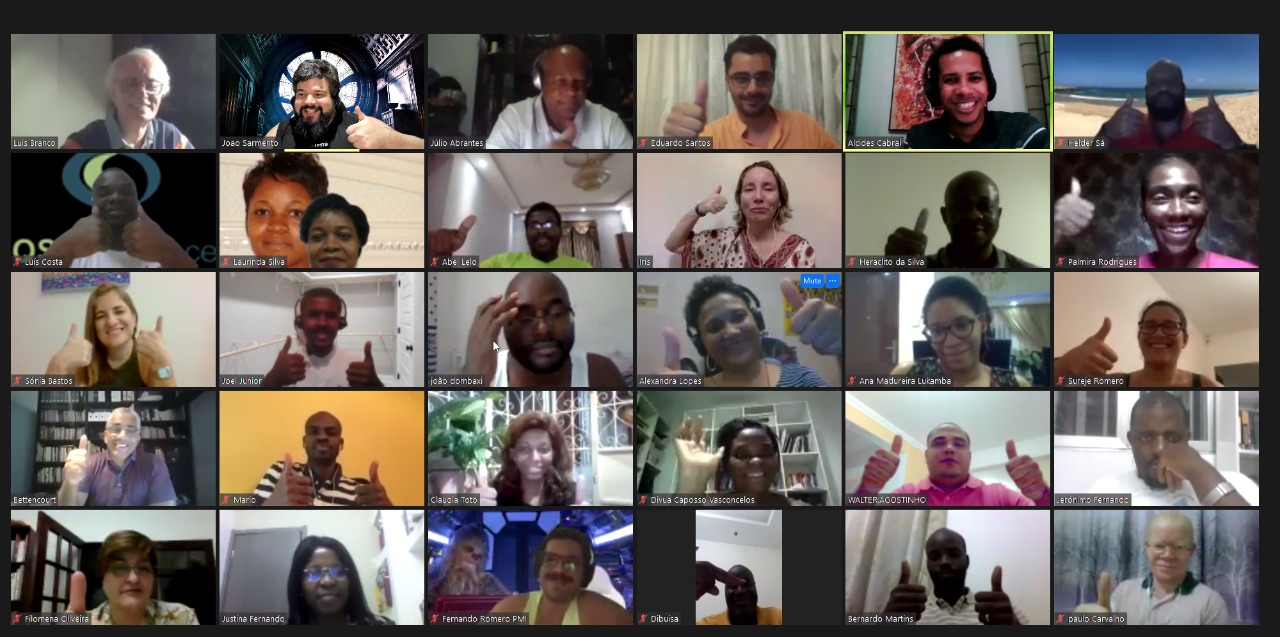
This training course followed the Africa PMP Initiative 2020

I take this opportunity to congratulate PMI Angola for the initiative
And wish all graduates a great success in carrying out the PMP certification exam
Find out what the trainees of this training said
|
Posted on: June 06, 2020 09:49 AM
|
Permalink |
Comments (14)
|
"Substitute 'damn' every time you're inclined to write 'very'; your editor will delete it and the writing will be just as it should be."
- Mark Twain
|




