


 Not all project managers have the opportunity to handle budgets, but when the moment comes, and the project finances are handed to you, it's good to have a plan about what to do.
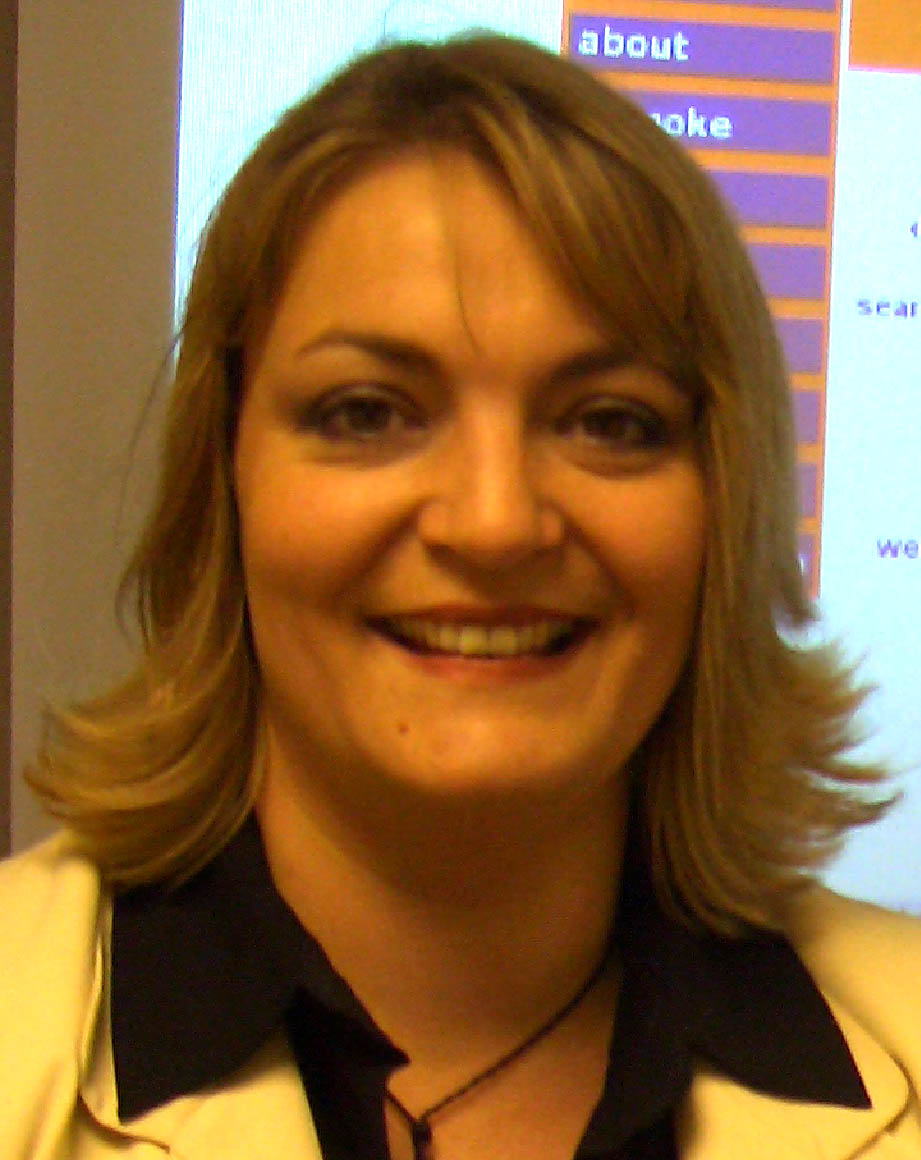
I spoke to Claudine Peet, lead trainer at Silicon Beach Training, about what project managers need to know about balancing the books.
Claudine, in your opinion what's the one thing that project managers need to know about project budgeting?
You have to start with an estimate and expect it to fluctuate as the project progresses. To meet cost targets it is often a good idea to have cost tolerances to work within to manage the cost expectations of senior management effectively.
Talking of managing effectively, how can we make budgets effective?
Ensure you know what costs are included in your project budget - often important costs are overlooked such as true resource costs (which include overheads and other costs) and project management and collaboration time to name a few.
A project manager needs to keep on top of all these costs to keep the project on track. How can we use budgets to manage and control projects?
A project budget needs to provide useful metrics to the decision makers for a project so that they are making informed decisions. This will require a degree of analysis such as Earned Value Analysis and investment appraisal analysis. Budgets can also be used to identify key points in the project where decisions need to be made, such as committing a large amount of investment to a particular activity or stage.
Is the budgeting process the same regardless of how big the project is?
Yes, even small projects cost money which has to be funded from somewhere. Decisions will still need to be made on financial investment regardless of the size of project, so the approach to budgeting should be the same, but scaled according to project size.
OK, that's helpful, thanks. I know that you run training courses specifically about handling financial information. On those training courses, what is the question you get asked the most?
The most common question is,"How do we keep track of what we are spending?" This can be answered by having clear controls in place about when progress information is required and how it is to be provided. Tracking the progress of the work carried out to date as well as evaluating project expenditure to the same date should provide an actual value which can then be compared with what you should have spent for that time period.
If you had one final tip for people putting together the team for a project, what would it be?
It is strongly advised that one person with good financial knowledge manages the budget - although this is something many project managers are expected to do, it does not mean that they all have the financial know how to do it.
Thanks, Claudine!
Claudine Peet is Lead Trainer for PRINCE2 for Silicon Beach Training, providers of project management training and PRINCE2 Training courses in Brighton, Sussex. For more information about public or on-site project management training, please contact Training Manager Colin Welch.


