


Categories: interviews
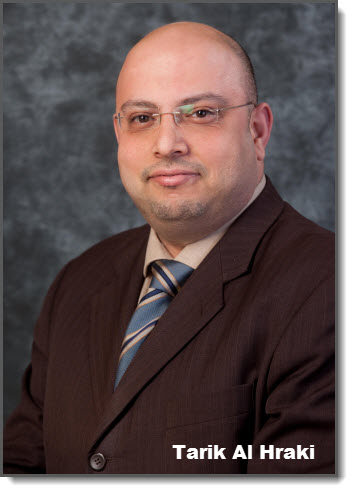 I met Tarik at the PMI EMEA Congress this year. Tarik travelled to Dublin from Dubai, where he is Assistant PMO Director at Ajman University of Science and Technology. He is also one of the few PMI-RMP’s, as well as being a PMP.
Tarik, you started out managing construction projects. How did you move into your current role?
The opportunity came to me when I was nominated to be part of the team who founded the PMO in Ajman University of Science & Technology in UAE. My role was there is simply to take part in designing the project management processes. This step took me to another important stage in my professional career through moving to strategic project management in matrix organizations. The PMP certificate played a vital role in transferring me to a strategic position.
OK, so your role at the university involves setting up project management processes. How did you go about this?
In matrix organizations the most important thing is to involve everyone in designing the processes, especially the processes related to cost control. One of the most important concepts to do that is moving the projects from the project level to an organizational level; this concept impacted the designed processes a lot.
Another important concept in designing financial and cost control processes in matrix organizations is to engage the finance people, because usually they control the project costs, leaving the project managers without any authority. This could be implemented by designing a customized process that balances the power between the finance team and the project managers.
You are also responsible for producing strategic reports. What financial information do you recommend that project managers include in strategic reports?
Usually at certain points, we ask for a complete EVM analysis and a complete forecast for the remaining period of the project. In addition, when we have long projects we usually look after trends just to control the funds in future.
The most important thing in the financial strategic reports is to stay aligned as much as you can with the project budget. Usually higher management worries about the unjustifiable use of the contingency and management reserves.
One of your other responsibilities at the PMO is to deliver a lot of the training to the projects managers at the University. What financial/cost control/budget training do you offer them? Are they keen to learn?
This is good question! In matrixed organizations not all the project managers have financial backgrounds, so sometimes simple accounting, financial analysis and reporting training is important so they learn how to grab the important related information from the financial sheets and reports.
Another important training session is the EVM workshops to learn the EVM technique for the control of costs on their projects.
All project managers can keep developing themselves, not necessarily through formal education but through informal education like workshops, forums and training such as PMI Congresses. This gives you the chance to learn from the experts about practical project management. Project managers might be very strong in their technical field but weak in practical project management and this would be enough for their projects to fail.
You have managed some large projects What are your 3 top tips for managing project budgets?
- Define a clear scope and create a complete Work Breakdown Structure.
- Risk is very important topic, the more you respond to the risks early and in a timely way, the more you save costs.
- Close management control, especially when working to a tight budget, through continuous reporting, managing reserves wisely.
You can find Tarik on Facebook and LinkedIn.


