


 When do you really know how much a project will cost? At the beginning, when you work out the business case? During the project start up phase, where you prepare your budget and establish the processes to track spending? While you are using Earned Value Management and can forecast forward predicted spend? After you have spent your contingency budget? When you do the close out report?
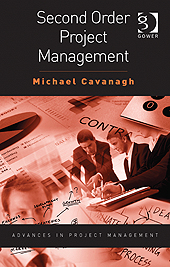
There are so many moments where you can calculate your project’s cost. Michael Cavanagh, in his book Second Order Project Management (Gower, 2012), argues that none of the points I have mentioned are right.
He believes that you don’t find out how much your project is going to cost until after the project is complete – a long time after.
“Although it has been said often that the only time you know the cost and duration of a project is when it has been delivered, in truth, you don’t,” he writes. “Post-delivery costs including fault correction, maintenance, support and disposal are all subject to the vagaries of implementation in the real world and should be addressed and included in the estimation process.”
In other words, you’ll never know during the project implementation what the overall cost of your project will be. This is perhaps less of a problem for the project manager. I think you can justifiably say that we are only responsible for managing the budget up until the point the project is closed. That’s what we plan for and budget for, and manage towards. Any costs that are incurred after this are not part of the project and therefore Not Our Problem. Project managers manage project costs, and as soon as it stops being a project cost it is hard to consider it our responsibility.
However, this is a problem for the contracting process. You can’t have a project that enters into a contract where the contract is only fit for the project stage. Unless your contract is with a vendor who will only be around during the project implementation, like a hired-help contractor. If you are buying software or a service, or equipment, you want the contract to include maintenance and support. Those are after-the-project costs.
So while you might not know how much your project will cost overall, you can do something about helping the operational team who come after you to manage their costs. Get them involved in the contracting. Ask them how they manage ongoing costs and how you should be factoring this in. What is the lifespan of the product or equipment you are buying? What decommissioning costs should you factor in? Ideally get the project sponsor or the operational team representative to represent themselves during the contract discussions. You’ll get a better result, even if it does mean sitting in the room with lawyers for several days.
Do operational teams get involved with preparing the cost predictions for projects in your company? And when do you think the responsibility of the project manager ends when it comes to managing the budget?


