


Project documents (and there are some good templates here on ProjectManagement.com) are important to keeping projects moving, and many times, a project will start with a business case.
You might accept the need to do a business case as part of the organisational process – just something you have to do to tick a box. Maybe your organisation doesn’t use them in a formal sense, but each project has to be justified in some way – whether that’s a slide deck or even an email. There is some ‘reason to work’ that kicks off a project.
But have you ever really stopped to think about what role a business case really plays? If you do them, I think we shouldn’t take them for granted. If you don’t do them, it’s time to start.
Here are a few reasons why it is advantageous to have a business case before the work begins.
Understand the scope
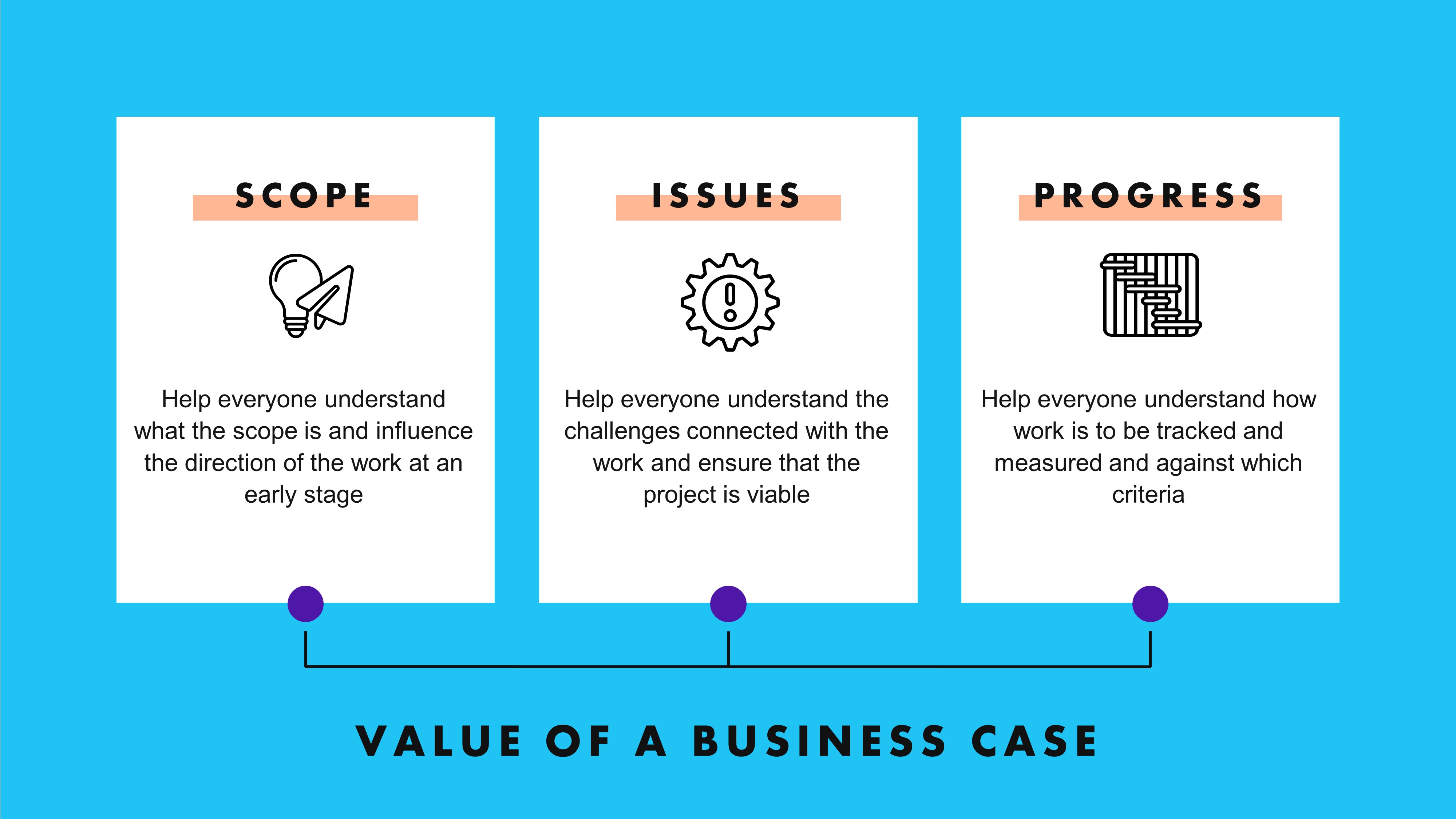
The process of putting together a business case helps everyone involved understand what the scope is going to be. And if they don’t like what that looks like, they have the opportunity to influence it early so the scope better aligns with the direction they want to take.
Understand the issues
Perhaps there are concerns, issues, risks or challenges that decision makers need to be aware of – there always are. The discussions that feed into the business case help make sure that everyone is aware of what those are and what implications they might have for the work.
Fact-based decision making will give the project a better chance of success. The leadership team can weed out the ideas that won’t work before any time and effort is spent on them.
We can frame this conversation by thinking about project viability. Having a thorough discussion of the issues makes people aware of whether a project is viable and will continue to be viable throughout the delivery phases, despite any challenges that may arise.
Understand progress
Finally, a good business case lays out information that is useful for managing the work, monitoring and controlling progress. For example, a schedule of stage payments or key milestones, scope elements or deliverables.
The business case isn’t the project schedule and you will need more than simply the business case, but if it is a well-thought through, well-prepared document, there will be enough in there to help set up adequate project tracking.
The document should also set out success criteria and/or benefits which give you the framework for evaluating success as the project progresses.
As a project manager, you might be thinking that putting together the business case is not really your job, and you’d be right. However, on the projects I have worked on, it’s always been easier to get up to speed and start work when I’ve been involved from the business case stage or earlier.
That doesn’t mean doing loads of work – just being interested and talked to and maybe asked an opinion about the resource information or timeline that should go into the document.
Then when I come to lead the work (assuming it gets approved), I have a better understanding of the ‘why’ behind the project and the decisions that have already been taken.
Do you have a business case template that you are happy with? If not, check out some of the templates on this site as a starting point, and adapt one to give you the information you need to start your projects from a good place.



