The Responsible Decision Cycle
From the Support to Develop Blog
by Luis Branco

This blog addresses management-related topics and has three areas of focus: 1. Technical skills; 2. Competencies in the field of interpersonal relations and communication (including personal organization and delegation, leadership, teamwork, conflict resolution, conducting meetings, and negotiation); and 3. Strategy (including diagnosis, strategic guidelines, and implementation).4.Technology
Recent Posts
Implementation Is Not Realization
The Human Burden of Integrative Work
The Cost of Deferred Integration
When Accountability Becomes Structurally Misaligned
Transformation Is Not a Sequence
Categories
Agile,
Career Development,
Career Development,
Career Development,
Career Development,
Career Development,
Career Development,
Career Development,
Career Development,
Career Development,
Career Development,
Career Development,
Career Development,
Career Development,
Career Development,
Career Development,
Career Development,
Career Development,
Career Development,
Career Development,
Career Development,
Career Development,
Career Development,
Career Development,
Career Development,
Career Development,
Career Development,
Career Development,
Career Development,
Career Development,
Career Development,
Career Development,
Career Development,
Career Development,
Career Development,
Career Development,
Career Development,
Career Development,
Career Development,
Career Development,
Career Development,
Career Development,
Career Development,
Career Development,
Career Development,
Career Development,
Career Development,
Career Development,
Career Development,
Career Development,
Career Development,
Career Development,
Career Development,
Career Development,
Career Development,
Career Development,
Career Development,
Career Development,
Career Development,
Career Development,
Career Development,
Career Development,
Career Development,
Career Development,
Career Development,
Career Development,
Career Development,
Career Development,
Career Development,
Career Development,
Career Development,
Career Development,
Career Development,
Career Development,
Career Development,
Career Development,
Career Development,
Career Development,
Career Development,
Career Development,
Career Development,
Career Development,
Career Development,
Career Development,
Career Development,
Career Development,
Career Development,
Career Development,
Career Development,
Career Development,
Career Development,
Career Development,
Career Development,
Career Development,
Career Development,
Career Development,
Career Development,
Career Development,
Career Development,
Career Development,
Career Development,
Career Development,
Career Development,
Career Development,
Career Development,
Career Development,
Career Development,
Career Development,
Career Development,
Career Development,
Career Development,
Career Development,
Career Development,
Career Development,
Career Development,
Career Development,
Career Development,
Career Development,
Career Development,
Career Development,
Career Development,
Career Development,
Career Development,
Education,
Governance,
Governance,
Governance,
Governance,
Governance,
Governance,
Governance,
Governance,
Governance,
Governance,
Governance,
Governance,
Governance,
Governance,
Governance,
Governance,
In,
Integration Management,
Interpersonal Skills,
Interpersonal Skills,
Interpersonal Skills,
Interpersonal Skills,
Interpersonal Skills,
Interpersonal Skills,
Interpersonal Skills,
Interpersonal Skills,
Interpersonal Skills,
Interpersonal Skills,
Interpersonal Skills,
Interpersonal Skills,
Interpersonal Skills,
Interpersonal Skills,
Interpersonal Skills,
Interpersonal Skills,
Interpersonal Skills,
Interpersonal Skills,
Interpersonal Skills,
Interpersonal Skills,
Interpersonal Skills,
Interpersonal Skills,
Interpersonal Skills,
Interpersonal Skills,
Interpersonal Skills,
Interpersonal Skills,
Interpersonal Skills,
Interpersonal Skills,
Interpersonal Skills,
Interpersonal Skills,
Interpersonal Skills,
Interpersonal Skills,
Interpersonal Skills,
Interpersonal Skills,
Interpersonal Skills,
Interpersonal Skills,
Interpersonal Skills,
Interpersonal Skills,
Interpersonal Skills,
Interpersonal Skills,
Interpersonal Skills,
Interpersonal Skills,
Interpersonal Skills,
Interpersonal Skills,
Interpersonal Skills,
Interpersonal Skills,
Interpersonal Skills,
Interpersonal Skills,
Interpersonal Skills,
Interpersonal Skills,
Interpersonal Skills,
Interpersonal Skills,
Interpersonal Skills,
Interpersonal Skills,
Interpersonal Skills,
Interpersonal Skills,
Interpersonal Skills,
Interpersonal Skills,
Interpersonal Skills,
Interpersonal Skills,
Interpersonal Skills,
Interpersonal Skills,
Interpersonal Skills,
Interpersonal Skills,
Interpersonal Skills,
Interpersonal Skills,
Interpersonal Skills,
Interpersonal Skills,
Interpersonal Skills,
Interpersonal Skills,
Interpersonal Skills,
Interpersonal Skills,
Interpersonal Skills,
Interpersonal Skills,
Interpersonal Skills,
Interpersonal Skills,
Interpersonal Skills,
Interpersonal Skills,
Interpersonal Skills,
Interpersonal Skills,
Interpersonal Skills,
Interpersonal Skills,
Interpersonal Skills,
Interpersonal Skills,
Interpersonal Skills,
Interpersonal Skills,
Interpersonal Skills,
Interpersonal Skills,
Interpersonal Skills,
Interpersonal Skills,
Interpersonal Skills,
Interpersonal Skills,
Interpersonal Skills,
Interpersonal Skills,
Interpersonal Skills,
Interpersonal Skills,
Interpersonal Skills,
Interpersonal Skills,
Interpersonal Skills,
Interpersonal Skills,
Interpersonal Skills,
Interpersonal Skills,
Interpersonal Skills,
Interpersonal Skills,
Interpersonal Skills,
Interpersonal Skills,
Interpersonal Skills,
Interpersonal Skills,
Interpersonal Skills,
Interpersonal Skills,
Interpersonal Skills,
Interpersonal Skills,
Interpersonal Skills,
Interpersonal Skills,
Interpersonal Skills,
Interpersonal Skills,
Interpersonal Skills,
Interpersonal Skills,
Interpersonal Skills,
Interpersonal Skills,
Interpersonal Skills,
Interpersonal Skills,
Knowledge Management,
le,
lea,
Leadership,
Leadership,
Leadership,
Leadership,
Leadership,
Leadership,
Leadership,
Leadership,
Leadership,
Leadership,
Leadership,
Leadership,
Leadership,
Leadership,
Leadership,
Leadership,
Leadership,
Leadership,
Leadership,
Leadership,
Leadership,
Leadership,
Leadership,
Leadership,
Leadership,
Leadership,
Leadership,
Leadership,
Leadership,
Leadership,
Leadership,
Leadership,
Leadership,
Leadership,
Leadership,
Leadership,
Leadership,
Leadership,
Leadership,
Leadership,
Leadership,
Leadership,
Leadership,
Leadership,
Leadership,
Leadership,
Leadership,
Leadership,
Leadership,
Leadership,
Leadership,
Leadership,
Leadership,
Leadership,
Leadership,
Leadership,
Leadership,
Leadership,
Leadership,
Leadership,
Leadership,
Leadership,
Leadership,
Leadership,
Leadership,
Leadership,
Leadership,
Leadership,
Leadership,
Leadership,
Leadership,
Leadership,
Leadership,
Leadership,
Leadership,
Leadership,
Leadership,
Leadership,
Leadership,
Leadership,
Leadership,
Leadership,
Leadership,
Leadership,
Leadership,
Leadership,
Leadership,
Leadership,
Leadership,
Leadership,
Leadership,
Leadership,
Leadership,
Leadership,
Leadership,
Leadership,
Leadership,
Leadership,
Leadership,
Leadership,
Leadership,
Leadership,
Leadership,
Leadership,
Leadership,
Leadership,
Leadership,
Leadership,
Leadership,
Leadership,
Leadership,
Leadership,
Leadership,
Leadership,
Leadership,
Leadership,
Leadership,
Leadership,
Leadership,
Leadership,
Leadership,
Leadership,
Leadership,
or,
Organizational Project Management,
Portfolio Management,
Program,
Program Management,
Strategy,
Strategy,
Strategy,
Strategy,
Strategy,
Strategy,
Strategy,
Strategy,
Strategy,
Strategy,
Strategy,
Strategy,
Strategy,
Strategy,
Strategy,
Strategy,
Strategy,
Strategy,
Strategy,
Strategy,
Strategy,
Strategy,
Strategy,
Strategy,
Strategy,
Strategy,
Strategy,
Strategy,
Strategy,
Strategy,
Strategy,
Strategy,
Strategy,
Strategy,
Strategy,
Strategy,
Strategy,
Strategy,
Strategy,
Strategy,
Strategy,
Strategy,
Strategy,
Strategy,
Strategy,
Strategy,
Strategy,
Strategy,
Strategy,
Strategy,
Strategy,
Strategy,
Strategy,
Strategy,
Strategy,
Strategy,
Strategy,
Strategy,
Strategy,
Strategy,
Strategy,
Strategy,
Strategy,
Strategy,
Strategy,
Strategy,
Strategy,
Strategy,
Strategy,
Strategy,
Strategy,
Strategy,
Strategy,
Strategy,
Strategy,
Strategy,
Strategy,
Strategy,
Strategy,
Strategy,
Strategy,
Strategy,
Strategy,
Strategy,
Strategy,
Strategy,
Strategy,
Strategy,
Strategy,
Strategy,
Strategy,
Strategy,
Strategy,
Strategy,
Strategy,
Strategy,
Strategy,
Strategy,
Strategy,
Strategy,
Strategy,
Strategy,
Strategy,
Strategy,
Strategy,
Strategy,
Strategy,
Strategy,
Strategy,
Strategy,
Strategy,
Strategy,
Strategy,
Strategy,
Strategy,
Strategy,
Strategy,
Strategy,
Strategy,
Strategy,
Strategy,
Strategy,
Strategy,
Sustainability,
Talent Management,
Talent Management,
Talent Management,
Talent Management,
Talent Management,
Talent Management,
Talent Management,
Talent Management,
Talent Management,
Talent Management,
Talent Management,
Talent Management,
Talent Management,
Talent Management,
Talent Management,
Talent Management,
Talent Management,
Talent Management,
Talent Management,
Talent Management,
Talent Management,
Talent Management,
Talent Management,
Talent Management,
Talent Management,
Talent Management,
Talent Management,
Talent Management,
Talent Management,
Talent Management,
Talent Management,
Talent Management,
Talent Management,
Talent Management,
Talent Management,
Talent Management,
Talent Management,
Talent Management,
Talent Management,
Talent Management,
Talent Management,
Talent Management,
Talent Management,
Talent Management,
Talent Management,
Talent Management,
Talent Management,
Talent Management,
Talent Management,
Talent Management,
Talent Management,
Talent Management,
Talent Management,
Talent Management,
Talent Management,
Talent Management,
Talent Management,
Talent Management,
Talent Management,
Talent Management,
Talent Management,
Talent Management,
Talent Management,
Talent Management,
Talent Management,
Talent Management,
Talent Management,
Talent Management,
Talent Management,
Talent Management,
Talent Management,
Talent Management,
Talent Management,
Talent Management,
Talent Management,
Talent Management,
Talent Management,
Talent Management,
Talent Management,
Talent Management,
Talent Management,
Talent Management,
Talent Management,
Talent Management,
Talent Management,
Talent Management,
Talent Management,
Talent Management,
Talent Management,
Talent Management,
Talent Management,
Talent Management,
Talent Management,
Talent Management,
Talent Management,
Talent Management,
Talent Management,
Talent Management,
Talent Management,
Talent Management,
Talent Management,
Talent Management,
Talent Management,
Talent Management,
Talent Management,
Talent Management,
Talent Management,
Talent Management,
Talent Management,
Talent Management,
Talent Management,
Talent Management,
Talent Management,
Talent Management,
Talent Management,
Talent Management,
Talent Management,
Talent Management,
Talent Management,
Talent Management,
Talent Management,
Talent Management,
Talent Management
Date
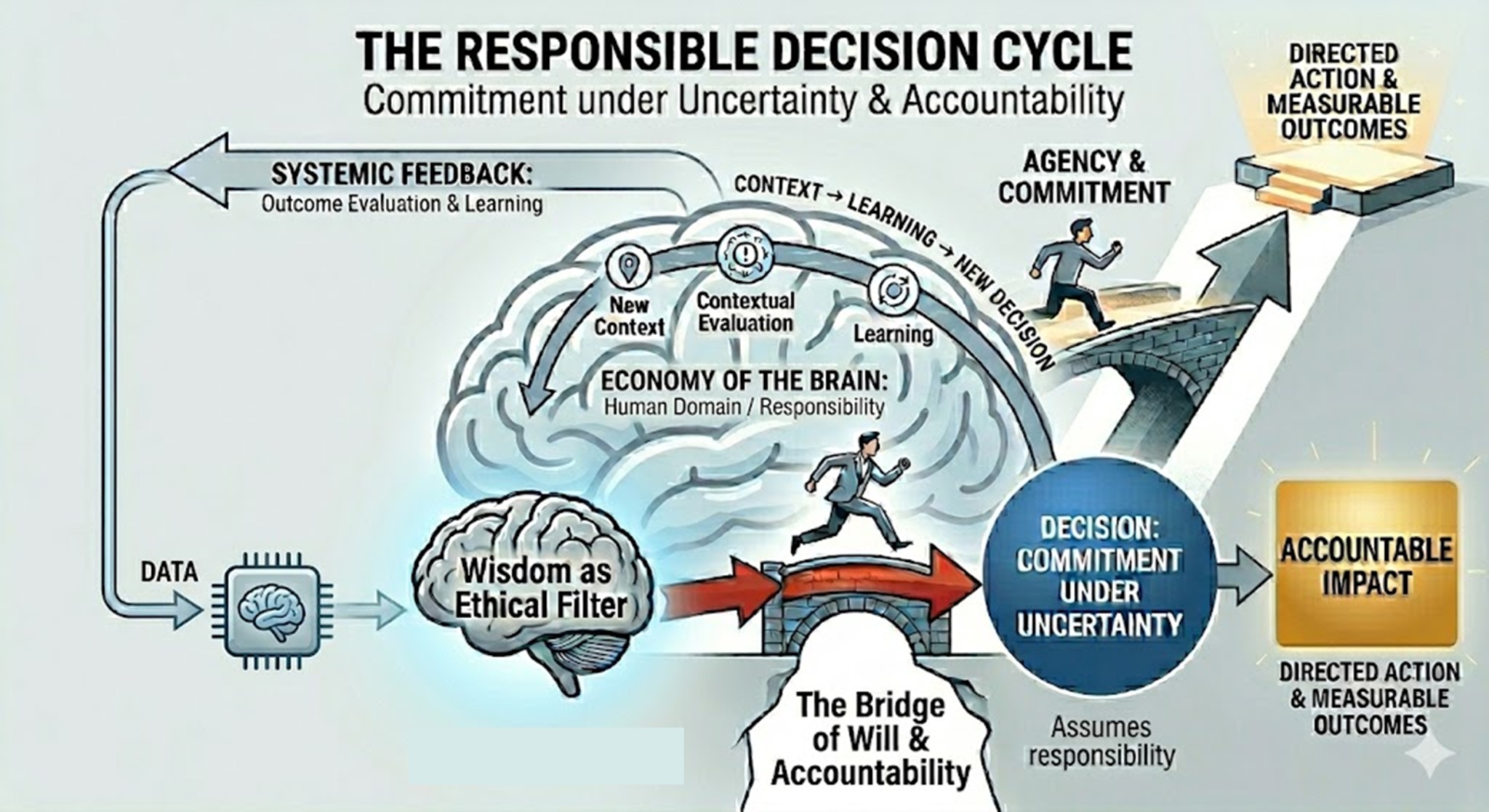 From Knowledge to Accountable ImpactFor decades, organizations optimized how they process information. Today, the real challenge is different:
- How do we decide and how do we assume the consequences of those decisions?
This is the gap that traditional models never resolved.The Responsible Decision Cycle is not an extension of DIKW. It is a structural shift:- From knowing to committing
- From analysis to accountability
- From information to impact
1. The Missing Layer in Organizational ThinkingThe DIKW model explains how knowledge is structured. It does not explain how organizations act.Between wisdom and action, there is a critical space:- Decision under uncertainty.
This is where:- Alternatives are reduced
- Risk is assumed
- Consequences become real
And most importantly:- Where responsibility becomes explicit and direction is set for the system.
Organizations do not fail because they lack knowledge. They fail because they delay or dilute decisions.Not deciding does not preserve neutrality. It produces consequences.In that sense, omission is not the absence of decision. It is a form of decision with delayed and often unaccounted impact.2. Decision as Commitment, Not ComputationIn an AI-augmented environment:- Data is abundant
- Knowledge is compressed
- Insights are generated instantly
But decision remains fundamentally human.Why?Because decision is not calculation. It is commitment under uncertainty.It requires:- Judgment
- Context awareness
- Ethical positioning
- Willingness to act without full certainty
AI can support analysis. It cannot assume responsibility.That boundary defines the human domain.3. The Architecture of the Responsible Decision CycleThe Responsible Decision Cycle operates as a closed loop:A. Knowledge (Interpreted)Information is processed, structured, and contextualized. This layer is increasingly augmented by AI.B. Wisdom (Ethical Filter)Knowledge is evaluated through experience, judgment, and values. This is where meaning is constructed.C. Decision (Commitment under Uncertainty)A choice is made. Alternatives are reduced. Risk is accepted.Direction is made explicit.This is the point of no neutrality.4. Accountable ImpactThe decision produces measurable and coordinated outcomes. Value is created when action aligns across the system.Accountability is not theoretical. It is validated through impact.5. Systemic Feedback (Learning)- Outcomes are evaluated.
- Context is updated.
- The system learns.
In this cycle, error is not treated as failure alone. It is a signal.It informs the recalibration of judgment, the refinement of the ethical filter, and the adjustment of future decisions.This feeds the next cycle.4. From Linear Thinking to Living SystemsTraditional models are linear:- Data to Information to Knowledge to Wisdom
The Responsible Decision Cycle is dynamic:- Context to Learning to Decision to Impact to New Context
This changes everything:- Decisions are not isolated events
- Impact is not an endpoint
- Learning is not optional
Organizations become living systems of decision and alignment.5. The Role of AI in the CycleAI plays a critical role but within clear boundaries.It enhances:- Information processing
- Pattern recognition
- Knowledge synthesis
- Scenario generation
But it does not replace:- Judgment
- Ethical evaluation
- Accountability
AI does not reduce uncertainty. It increases the number of plausible options.Without a decision cycle, this does not lead to clarity. It leads to decisional entropy.- More analysis.
- More alternatives.
- Less commitment.
The risk is not AI failure.The risk is:- Delegating decision without retaining responsibility.
6. The Real Constraint: Decisional CapacityIn modern organizations, scarcity has shifted.We no longer lack:We lack:- The capacity to decide clearly, converge, and commit as a system.
This manifests as:- Delayed decisions
- Distributed accountability
- Excessive analysis
- Avoidance of exposure
- Persistent optionality without closure
Avoidance of decision does not eliminate risk. It displaces it.Over time, unmade decisions accumulate into systemic consequences.This is not inefficiency.It is decisional entropy.7. Governance as Decision ArchitectureIf decision is the critical layer, governance must evolve.Governance is no longer:- Control
- Reporting
- Compliance
It becomes:- The architecture that enables responsible and aligned decision-making.
This includes:- Clarity of decision rights
- Explicit accountability
- Structured challenge
- Integration of learning loops
- Mechanisms for alignment and convergence across teams
The goal is not better coordination.The goal is decisions that the system can commit to and execute coherently.8. The Human Position in the Brain EconomyWe are entering the Brain Economy.In this context:- Knowledge is accessible
- Intelligence is distributed
- Analysis is accelerated
The differentiator is no longer what we know.It is how we decide and what we are willing to stand behind.Human value concentrates in three dimensions:- Judgment — the ability to interpret context beyond data
- Responsibility — the willingness to own consequences
- Courage to act — the decision to move without full certainty
9. Final InsightThe Responsible Decision Cycle resolves a limitation that has existed for decades.DIKW explains how we know. This model explains:- How we decide, align, and assume consequences.
And that is where real value is created.Closing Statement
Knowledge without decision is potential. Decision without accountability is risk. Accountability without alignment is fragmentation. Alignment without learning is repetition.Not deciding is not neutral. It is a decision without ownership.Only when these elements operate together does an organization evolve.Progress does not happen when we know more. It happens when we decide, align, learn and are willing to be accountable for the impact.
Posted on: April 17, 2026 11:17 AM |
Permalink
Comments (0)
Please login or join to subscribe to this item
Please Login/Register to leave a comment.
|
"One never needs their humor as much as when they argue with a fool."
- Chinese Proverb
|




