Support to Develop
by Luis Branco

This blog addresses management-related topics and has three areas of focus: 1. Technical skills; 2. Competencies in the field of interpersonal relations and communication (including personal organization and delegation, leadership, teamwork, conflict resolution, conducting meetings, and negotiation); and 3. Strategy (including diagnosis, strategic guidelines, and implementation).4.Technology
Recent Posts
When Does Control Preserve Coherence, and When Does It Constrain Adaptability?
Can Accountability Remain Legitimate When Authority Is Distributed?
When Transformation Is Not the Answer
Does Integration Need an Integrator?
Before We Rebuild, What Must We Take Apart?
Categories
Agile,
Career Development,
Career Development,
Career Development,
Career Development,
Career Development,
Career Development,
Career Development,
Career Development,
Career Development,
Career Development,
Career Development,
Career Development,
Career Development,
Career Development,
Career Development,
Career Development,
Career Development,
Career Development,
Career Development,
Career Development,
Career Development,
Career Development,
Career Development,
Career Development,
Career Development,
Career Development,
Career Development,
Career Development,
Career Development,
Career Development,
Career Development,
Career Development,
Career Development,
Career Development,
Career Development,
Career Development,
Career Development,
Career Development,
Career Development,
Career Development,
Career Development,
Career Development,
Career Development,
Career Development,
Career Development,
Career Development,
Career Development,
Career Development,
Career Development,
Career Development,
Career Development,
Career Development,
Career Development,
Career Development,
Career Development,
Career Development,
Career Development,
Career Development,
Career Development,
Career Development,
Career Development,
Career Development,
Career Development,
Career Development,
Career Development,
Career Development,
Career Development,
Career Development,
Career Development,
Career Development,
Career Development,
Career Development,
Career Development,
Career Development,
Career Development,
Career Development,
Career Development,
Career Development,
Career Development,
Career Development,
Career Development,
Career Development,
Career Development,
Career Development,
Career Development,
Career Development,
Career Development,
Career Development,
Career Development,
Career Development,
Career Development,
Career Development,
Career Development,
Career Development,
Career Development,
Career Development,
Career Development,
Career Development,
Career Development,
Career Development,
Career Development,
Career Development,
Career Development,
Career Development,
Career Development,
Career Development,
Career Development,
Career Development,
Career Development,
Career Development,
Career Development,
Career Development,
Career Development,
Career Development,
Career Development,
Career Development,
Career Development,
Career Development,
Career Development,
Career Development,
Career Development,
Career Development,
Governance,
Governance,
Governance,
Governance,
Governance,
Governance,
Governance,
In,
Integration Management,
Interpersonal Skills,
Interpersonal Skills,
Interpersonal Skills,
Interpersonal Skills,
Interpersonal Skills,
Interpersonal Skills,
Interpersonal Skills,
Interpersonal Skills,
Interpersonal Skills,
Interpersonal Skills,
Interpersonal Skills,
Interpersonal Skills,
Interpersonal Skills,
Interpersonal Skills,
Interpersonal Skills,
Interpersonal Skills,
Interpersonal Skills,
Interpersonal Skills,
Interpersonal Skills,
Interpersonal Skills,
Interpersonal Skills,
Interpersonal Skills,
Interpersonal Skills,
Interpersonal Skills,
Interpersonal Skills,
Interpersonal Skills,
Interpersonal Skills,
Interpersonal Skills,
Interpersonal Skills,
Interpersonal Skills,
Interpersonal Skills,
Interpersonal Skills,
Interpersonal Skills,
Interpersonal Skills,
Interpersonal Skills,
Interpersonal Skills,
Interpersonal Skills,
Interpersonal Skills,
Interpersonal Skills,
Interpersonal Skills,
Interpersonal Skills,
Interpersonal Skills,
Interpersonal Skills,
Interpersonal Skills,
Interpersonal Skills,
Interpersonal Skills,
Interpersonal Skills,
Interpersonal Skills,
Interpersonal Skills,
Interpersonal Skills,
Interpersonal Skills,
Interpersonal Skills,
Interpersonal Skills,
Interpersonal Skills,
Interpersonal Skills,
Interpersonal Skills,
Interpersonal Skills,
Interpersonal Skills,
Interpersonal Skills,
Interpersonal Skills,
Interpersonal Skills,
Interpersonal Skills,
Interpersonal Skills,
Interpersonal Skills,
Interpersonal Skills,
Interpersonal Skills,
Interpersonal Skills,
Interpersonal Skills,
Interpersonal Skills,
Interpersonal Skills,
Interpersonal Skills,
Interpersonal Skills,
Interpersonal Skills,
Interpersonal Skills,
Interpersonal Skills,
Interpersonal Skills,
Interpersonal Skills,
Interpersonal Skills,
Interpersonal Skills,
Interpersonal Skills,
Interpersonal Skills,
Interpersonal Skills,
Interpersonal Skills,
Interpersonal Skills,
Interpersonal Skills,
Interpersonal Skills,
Interpersonal Skills,
Interpersonal Skills,
Interpersonal Skills,
Interpersonal Skills,
Interpersonal Skills,
Interpersonal Skills,
Interpersonal Skills,
Interpersonal Skills,
Interpersonal Skills,
Interpersonal Skills,
Interpersonal Skills,
Interpersonal Skills,
Interpersonal Skills,
Interpersonal Skills,
Interpersonal Skills,
Interpersonal Skills,
Interpersonal Skills,
Interpersonal Skills,
Interpersonal Skills,
Interpersonal Skills,
Interpersonal Skills,
Interpersonal Skills,
Interpersonal Skills,
Interpersonal Skills,
Interpersonal Skills,
Interpersonal Skills,
Interpersonal Skills,
Interpersonal Skills,
Interpersonal Skills,
Interpersonal Skills,
Interpersonal Skills,
Interpersonal Skills,
Interpersonal Skills,
Interpersonal Skills,
Interpersonal Skills,
Interpersonal Skills,
le,
lea,
Leadership,
Leadership,
Leadership,
Leadership,
Leadership,
Leadership,
Leadership,
Leadership,
Leadership,
Leadership,
Leadership,
Leadership,
Leadership,
Leadership,
Leadership,
Leadership,
Leadership,
Leadership,
Leadership,
Leadership,
Leadership,
Leadership,
Leadership,
Leadership,
Leadership,
Leadership,
Leadership,
Leadership,
Leadership,
Leadership,
Leadership,
Leadership,
Leadership,
Leadership,
Leadership,
Leadership,
Leadership,
Leadership,
Leadership,
Leadership,
Leadership,
Leadership,
Leadership,
Leadership,
Leadership,
Leadership,
Leadership,
Leadership,
Leadership,
Leadership,
Leadership,
Leadership,
Leadership,
Leadership,
Leadership,
Leadership,
Leadership,
Leadership,
Leadership,
Leadership,
Leadership,
Leadership,
Leadership,
Leadership,
Leadership,
Leadership,
Leadership,
Leadership,
Leadership,
Leadership,
Leadership,
Leadership,
Leadership,
Leadership,
Leadership,
Leadership,
Leadership,
Leadership,
Leadership,
Leadership,
Leadership,
Leadership,
Leadership,
Leadership,
Leadership,
Leadership,
Leadership,
Leadership,
Leadership,
Leadership,
Leadership,
Leadership,
Leadership,
Leadership,
Leadership,
Leadership,
Leadership,
Leadership,
Leadership,
Leadership,
Leadership,
Leadership,
Leadership,
Leadership,
Leadership,
Leadership,
Leadership,
Leadership,
Leadership,
Leadership,
Leadership,
Leadership,
Leadership,
Leadership,
Leadership,
Leadership,
Leadership,
Leadership,
Leadership,
Leadership,
Leadership,
Leadership,
Leadership,
or,
Organizational Project Management,
Portfolio Management,
Program,
Program Management,
Strategy,
Strategy,
Strategy,
Strategy,
Strategy,
Strategy,
Strategy,
Strategy,
Strategy,
Strategy,
Strategy,
Strategy,
Strategy,
Strategy,
Strategy,
Strategy,
Strategy,
Strategy,
Strategy,
Strategy,
Strategy,
Strategy,
Strategy,
Strategy,
Strategy,
Strategy,
Strategy,
Strategy,
Strategy,
Strategy,
Strategy,
Strategy,
Strategy,
Strategy,
Strategy,
Strategy,
Strategy,
Strategy,
Strategy,
Strategy,
Strategy,
Strategy,
Strategy,
Strategy,
Strategy,
Strategy,
Strategy,
Strategy,
Strategy,
Strategy,
Strategy,
Strategy,
Strategy,
Strategy,
Strategy,
Strategy,
Strategy,
Strategy,
Strategy,
Strategy,
Strategy,
Strategy,
Strategy,
Strategy,
Strategy,
Strategy,
Strategy,
Strategy,
Strategy,
Strategy,
Strategy,
Strategy,
Strategy,
Strategy,
Strategy,
Strategy,
Strategy,
Strategy,
Strategy,
Strategy,
Strategy,
Strategy,
Strategy,
Strategy,
Strategy,
Strategy,
Strategy,
Strategy,
Strategy,
Strategy,
Strategy,
Strategy,
Strategy,
Strategy,
Strategy,
Strategy,
Strategy,
Strategy,
Strategy,
Strategy,
Strategy,
Strategy,
Strategy,
Strategy,
Strategy,
Strategy,
Strategy,
Strategy,
Strategy,
Strategy,
Strategy,
Strategy,
Strategy,
Strategy,
Strategy,
Strategy,
Strategy,
Strategy,
Strategy,
Strategy,
Strategy,
Strategy,
Strategy,
Sustainability,
Talent Management,
Talent Management,
Talent Management,
Talent Management,
Talent Management,
Talent Management,
Talent Management,
Talent Management,
Talent Management,
Talent Management,
Talent Management,
Talent Management,
Talent Management,
Talent Management,
Talent Management,
Talent Management,
Talent Management,
Talent Management,
Talent Management,
Talent Management,
Talent Management,
Talent Management,
Talent Management,
Talent Management,
Talent Management,
Talent Management,
Talent Management,
Talent Management,
Talent Management,
Talent Management,
Talent Management,
Talent Management,
Talent Management,
Talent Management,
Talent Management,
Talent Management,
Talent Management,
Talent Management,
Talent Management,
Talent Management,
Talent Management,
Talent Management,
Talent Management,
Talent Management,
Talent Management,
Talent Management,
Talent Management,
Talent Management,
Talent Management,
Talent Management,
Talent Management,
Talent Management,
Talent Management,
Talent Management,
Talent Management,
Talent Management,
Talent Management,
Talent Management,
Talent Management,
Talent Management,
Talent Management,
Talent Management,
Talent Management,
Talent Management,
Talent Management,
Talent Management,
Talent Management,
Talent Management,
Talent Management,
Talent Management,
Talent Management,
Talent Management,
Talent Management,
Talent Management,
Talent Management,
Talent Management,
Talent Management,
Talent Management,
Talent Management,
Talent Management,
Talent Management,
Talent Management,
Talent Management,
Talent Management,
Talent Management,
Talent Management,
Talent Management,
Talent Management,
Talent Management,
Talent Management,
Talent Management,
Talent Management,
Talent Management,
Talent Management,
Talent Management,
Talent Management,
Talent Management,
Talent Management,
Talent Management,
Talent Management,
Talent Management,
Talent Management,
Talent Management,
Talent Management,
Talent Management,
Talent Management,
Talent Management,
Talent Management,
Talent Management,
Talent Management,
Talent Management,
Talent Management,
Talent Management,
Talent Management,
Talent Management,
Talent Management,
Talent Management,
Talent Management,
Talent Management,
Talent Management,
Talent Management,
Talent Management
Date
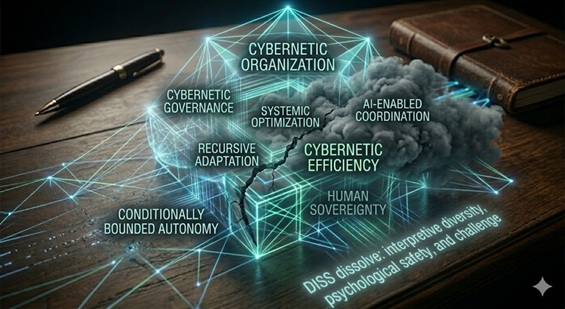
Modern organizations increasingly describe themselves as adaptive systems.
They continuously sense.
Continuously respond.
Continuously coordinate.
Continuously optimize.
Continuously learn.
Projects evolve dynamically.
PMOs become intelligence hubs.
Governance becomes adaptive.
AI systems participate in coordination.
Feedback loops accelerate across the enterprise.
At first glance, this appears to represent the natural evolution of organizational maturity.
And in many ways, it does.
Because modern organizations genuinely require:
• Greater responsiveness,
• Distributed coordination,
• Adaptive decision-making,
• Real-time visibility,
• Continuous learning capacity under systemic complexity.
But beneath this transformation, another organizational shift may be quietly emerging.
Organizations increasingly resemble cybernetic systems.
Not metaphorically.
Operationally.
This distinction matters enormously.
Because cybernetic systems do not primarily govern through:
• Hierarchy,
• Static procedures,
• Isolated managerial supervision.
They govern through:
• Continuous sensing,
• Feedback loops,
• Recursive adaptation,
• Behavioral synchronization,
• Signal Interpretation,
• Dynamic correction mechanisms operating across the system itself.
This is precisely the direction many AI-native organizations are now evolving toward.
Modern enterprises increasingly operate through:
• Telemetry,
• Behavioral analytics,
• Predictive coordination,
• Workflow observability,
• Distributed sensing,
• Ai-Generated recommendations,
• Adaptive governance systems,
• Continuously recalibrated operating environments.
The organization begins functioning less like a static hierarchy.
And more like a continuously self-adjusting cognitive system.
This creates extraordinary operational capabilities.
Organizations can:
• Detect variation faster,
• Coordinate across complexity,
• Identify anomalies earlier,
• Adapt dynamically,
• Optimize continuously,
• Propagate decisions across distributed environments at unprecedented speed.
But cybernetic systems also generate new tensions that modern governance frameworks still struggle to fully acknowledge.
Because the more adaptive and interconnected the organization becomes:
• The more continuous observability expands,
• The more behavioral synchronization intensifies,
• The more local autonomy becomes conditionally bounded,
• The more governance dissolves into the architecture of the system itself.
This creates a profound organizational paradox.
The organization becomes simultaneously:
• More intelligent,
• More adaptive,
• More responsive,
• Potentially more behaviorally constraining.
Not necessarily through authoritarian intent.
But through the systemic logic of optimization itself.
Because cybernetic systems naturally seek:
• Stability,
• Synchronization,
• Correction,
• Predictability,
• Reduction of disruptive variance across the environment they regulate.
This becomes especially significant once AI systems begin participating directly in:
• Operational interpretation,
• Prioritization,
• Recommendation generation,
• Workflow orchestration,
• Behavioral analytics,
• Governance signaling itself.
At that point, governance no longer operates only through people making decisions.
The system itself increasingly participates in shaping:
• Perception,
• Legitimacy,
• Responsiveness,
• Behavioral Expectation,
• Organizational adaptation continuously.
This is where cybernetic governance begins emerging operationally.
Not because organizations consciously choose to become cybernetic.
But because complexity increasingly rewards:
• Sensing capacity,
• Recursive adaptation,
• Continuous coordination,
• Predictive visibility,
• Distributed synchronization.
The problem is that cybernetic efficiency and human flourishing are not automatically the same thing.
This is one of the most important governance tensions of the AI-native era.
Because systems optimized primarily for:
• Responsiveness,
• Visibility,
• Behavioral alignment,
• Adaptive correction
May gradually erode:
• Cognitive autonomy,
• Interpretive plurality,
• Ethical friction,
• Dissent,
• Reflection,
• Authentic organizational learning.
The organization becomes highly adaptive.
But adaptation itself may become increasingly system-driven rather than human-directed.
This creates a subtle but critical shift.
In traditional organizations, humans primarily governed systems.
In cybernetic organizations, systems increasingly govern human coordination patterns themselves.
This does not necessarily eliminate human agency.
But it changes the environment inside which agency operates.
People may still appear autonomous.
Yet increasingly:
• Metrics shape attention,
• Visibility shapes behavior,
• Feedback loops shape legitimacy,
• Algorithms shape prioritization,
• Adaptive systems shape the boundaries of acceptable organizational behavior.
Control becomes recursive.
Continuous.
Embedded into operational architecture itself.
And because these systems often increase efficiency, responsiveness, and coordination simultaneously, organizations may struggle to recognize the deeper governance implications of what they are building.
Especially under pressure for:
• Speed,
• Scalability,
• Optimization,
• Resilience,
• Competitive adaptation.
This creates another dangerous illusion inside cybernetic organizations.
Leadership may increasingly confuse systemic visibility with systemic health.
Dashboards remain green.
Variance appears controlled.
Behavior seems synchronized.
Operational responsiveness improves.
Yet beneath the visible telemetry, the organization may be quietly losing:
• Interpretive diversity,
• Critical thinking,
• Psychological safety,
• Ethical friction,
• The human capacity to challenge the system itself.
The organization appears stable precisely while its deeper adaptive resilience may be eroding invisibly.
This is why cybernetic governance cannot be evaluated purely through operational performance metrics.
A system can become operationally brilliant while gradually degrading:
• Trust,
• Sovereignty,
• Interpretive diversity,
• Psychological safety,
• Ethical resistance,
• Authentic human judgment.
This is where systems thinking becomes essential.
Because highly interconnected adaptive systems frequently generate:
• Delayed consequences,
• Behavioral drift,
• Unintended reinforcement loops,
• Local optimization pathologies,
• Emergent organizational behavior that no individual actor intentionally designed.
The organization may slowly become:
• Hyper-Visible,
• Hyper-Coordinated,
• Hyper-Adaptive,
• Simultaneously less capable of preserving authentic human interpretive freedom inside the system.
This is not necessarily dystopian.
But it is structurally significant.
Because the future challenge of governance may no longer be simply:
“How do we make organizations adaptive?”
The deeper question may become:
How do we preserve human sovereignty, ethical responsibility, and meaningful agency inside systems increasingly capable of sensing, interpreting, coordinating, and behaviorally regulating themselves?
This may ultimately become one of the defining leadership challenges of the AI-native era.
Because the real governance risk is not merely that organizations become too automated.
It is that they become so cybernetically optimized that humans gradually stop exercising conscious judgment inside the system altogether.
And once that happens, organizations may remain operationally adaptive while progressively losing the very human capacities that governance originally existed to protect.
This is precisely why governance itself may now need a new institutional role inside AI-native organizations.
Not merely to coordinate execution.
Not merely to optimize delivery.
Not merely to increase visibility.
But to preserve coherence, interpretive integrity, human judgment, and responsible decision-making under continuous systemic acceleration.
In the next article, I will explore how PMOs may need to evolve beyond traditional coordination and reporting structures toward something far more strategic:
PMOs as architectures of coherence inside increasingly adaptive, distributed, and AI-native organizational systems. |
Posted on: June 17, 2026 04:31 AM
|
Permalink |
Comments (0)
|
"The face of a child can say it all, especially the mouth part of the face."
- Jack Handey
|




