
Professionalism Under Pressure: Choosing Respect When Conflict Escalates
Categories:
Ethics as a competence,
Behavior,
courage honesty responsibility respect fairness,
code of ethics,
Ethical Leadership,
Decision-making,
Ethics Insight Team,
Ethics Bistro,
Business Ethics,
code of conduct,
Power Skills,
Decision-making,
Business Ethics,
Professionalization,
practitioner,
Ethical Dilemma,
respect,
Professional Responsibility,
Honesty,
Respect,
Responsibility,
Fairness,
Code of Ethics and Professional Conduct,
Human,
fairness,
communication,
honesty,
responsibility,
professonal conduct,
Conflict,
empathy,
EDMF,
Ethics in Communication,
Agile,
Decision Making,
Ethics,
Legal Project Management
Categories: Ethics as a competence, Behavior, courage honesty responsibility respect fairness, code of ethics, Ethical Leadership, Decision-making, Ethics Insight Team, Ethics Bistro, Business Ethics, code of conduct, Power Skills, Decision-making, Business Ethics, Professionalization, practitioner, Ethical Dilemma, respect, Professional Responsibility, Honesty, Respect, Responsibility, Fairness, Code of Ethics and Professional Conduct, Human, fairness, communication, honesty, responsibility, professonal conduct, Conflict, empathy, EDMF, Ethics in Communication, Agile, Decision Making, Ethics, Legal Project Management


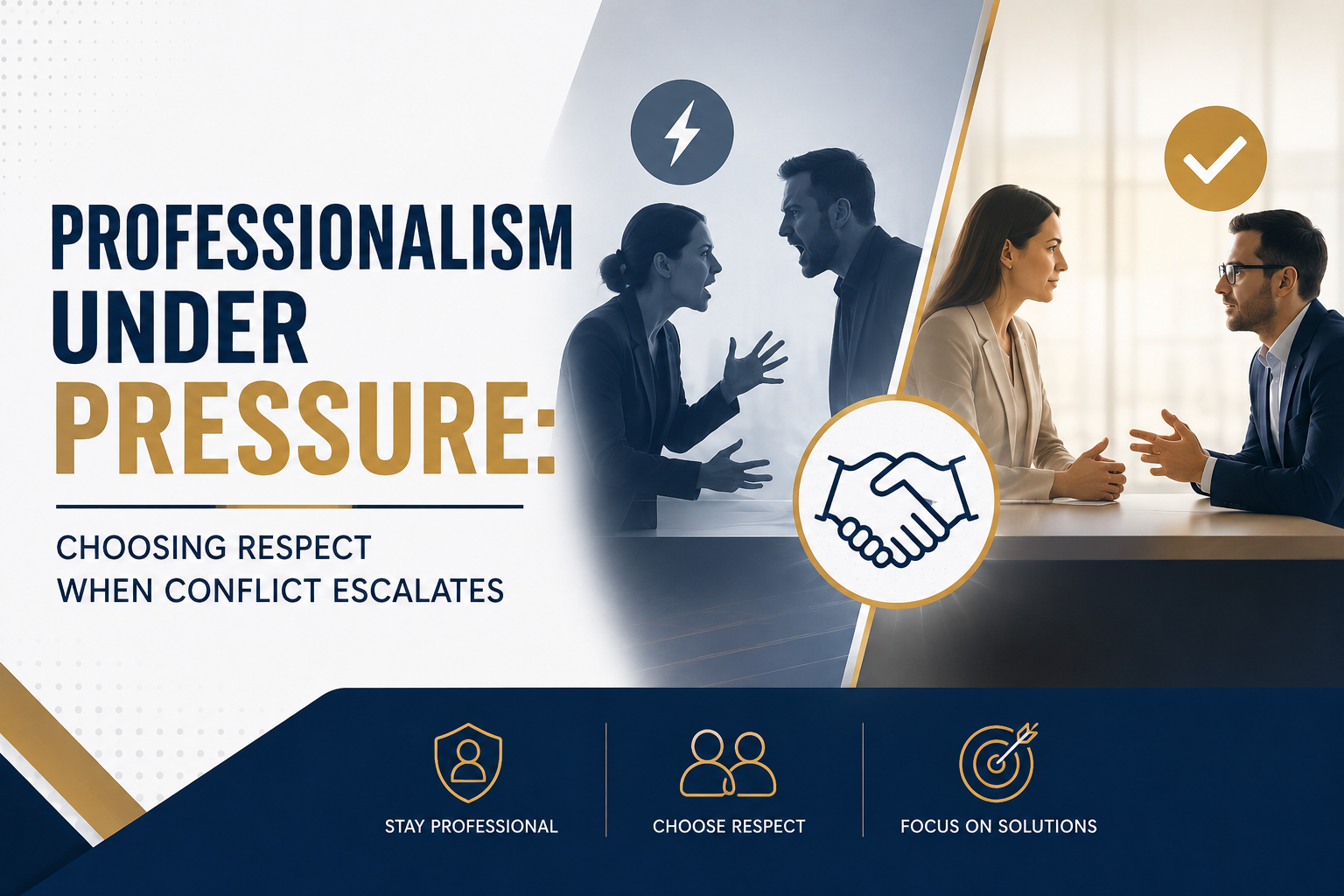 The message arrived at 11:47 p.m. It wasn't long. Just a few lines. But every sentence carried anger. A disagreement over a contract had been going on for weeks. There were questions about payment, responsibilities, and what each side believed had been promised. The conversation had already become uncomfortable. Now, the latest message crossed a different line. There were accusations. Personal insults. A veiled threat about “making sure people know” what had happened. And then came a remark about the other person's background. For a moment, the easiest response seemed obvious: Fight back. After all, they started it. But this is where professionalism is really tested not when everyone is calm and reasonable, but when someone gives us every reason to lose our composure. Conflict is part of professional life. Employment decisions can disappoint people. Contracts can fall apart. Candidates can feel unfairly treated. Managers can become frustrated. Clients and suppliers can disagree about commitments. Sometimes we are genuinely wronged. And sometimes we may be the ones who got something wrong. Either way, disagreement does not give us permission to abandon respect. The PMI Code of Ethics and Professional Conduct places Respect among its four core values. That sounds simple until we find ourselves staring at a message that feels deliberately insulting, threatening, or unfair. Respect is easy when it is reciprocated. It becomes meaningful when it isn't. The person receiving that late-night message eventually did something surprisingly difficult. They didn't respond. Not immediately. They saved the communication, stepped away from the computer, reviewed the facts, and went to bed. The next morning, they wrote back. The response acknowledged the disagreement. It clarified the contractual position. It proposed using the appropriate process to resolve the matter. There were no insults. No threats. No attempt to embarrass the other person. It wasn't weakness. It was professional self-control. Respect doesn't mean tolerating abuse. It doesn't mean remaining silent when discriminatory language is used. It doesn't mean accepting intimidation or allowing retaliation to go unchallenged. And it certainly doesn't mean avoiding difficult conversations. Sometimes respect means setting a boundary. Sometimes it means documenting what happened and involving Human Resources, legal counsel, procurement, recruitment leadership, or another appropriate authority. Sometimes it means saying: “I am willing to discuss the issue, but I will not continue the conversation in this manner.” That is respect too. Because respect isn't only about how we treat people when we agree with them. It is also about recognizing their dignity when we don't. And perhaps that's the uncomfortable part of professional ethics. We cannot control the tone of the message that arrives at 11:47 p.m. We cannot control whether someone tries to intimidate us, insults us, uses discriminatory language, or threatens retaliation. But we can control whether we respond in kind. We can choose to protect our boundaries without attacking someone else's dignity. We can choose accountability without humiliation. We can choose firmness without hostility. We can choose Respect. Not because the other person necessarily deserves our kindness in that moment, but because our professional values should not depend on someone else's behavior. The next time a difficult message lands in your inbox, ask yourself: When someone crosses the line with us, can we hold the line without crossing it ourselves? |
What is new in PMBOK 8 – An ethics perspective
Categories:
Ethics as a competence,
Values,
Behavior,
values,
code of ethics,
Ethical Leadership,
Decision-making,
Ethics Insight Team,
Ethics Bistro,
Business Ethics,
code of conduct,
PMI Talent Triangle,
Ways of Working,
Decision-making,
Values,
Business Ethics,
AI,
Project,
PMI Program Management,
Do the right thing,
Culture,
Ethical Dilemma,
respect,
Professional Responsibility,
Professional Conduct,
Honesty,
Respect,
Responsibility,
Project Management,
Code of Ethics and Professional Conduct,
honesty,
responsibility,
professonal conduct,
volunteers,
professional conduct,
Digital Transformation,
Ethics in Communication,
Agile,
Leadership,
Decision Making,
Ethics,
Diversity,
Organizational Project Management,
Information Technology,
Organizational Culture,
Governance,
Artificial Intelligence
Categories: Ethics as a competence, Values, Behavior, values, code of ethics, Ethical Leadership, Decision-making, Ethics Insight Team, Ethics Bistro, Business Ethics, code of conduct, PMI Talent Triangle, Ways of Working, Decision-making, Values, Business Ethics, AI, Project, PMI Program Management, Do the right thing, Culture, Ethical Dilemma, respect, Professional Responsibility, Professional Conduct, Honesty, Respect, Responsibility, Project Management, Code of Ethics and Professional Conduct, honesty, responsibility, professonal conduct, volunteers, professional conduct, Digital Transformation, Ethics in Communication, Agile, Leadership, Decision Making, Ethics, Diversity, Organizational Project Management, Information Technology, Organizational Culture, Governance, Artificial Intelligence
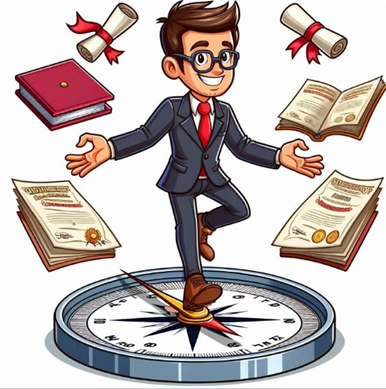 Imagine a team of explorers crossing a desert. No matter how skilled its members are or how modern their vehicles are, they may not succeed in reaching their destination without a compass. In project management, ethics serve as that compass, guiding decision-making, fostering trust, and ensuring accountability. For PMI Members, the compass is the Code of Ethics and Professional Conduct. Developed even before the first edition of the Project Management Book of Knowledge, the Code was and remains the holder of the guardrails of the project management profession. PMBOK 7 replaced knowledge areas with performance domains. The 8th is more aligned with the Agile delivery approach, whilst retaining the importance of good governance. Like the previous version, the PMBOK highlights alignment with both internal and external environments. It is important to note the focus on artificial intelligence and sustainability. Principles of project management PMBOK 8 simplified the 12 principles from the 7th edition to create a more focused and actionable foundation for modern project management. The principles of project management are aligned with the values of PMI’s Code of Ethics and Professional Conduct. They do not follow the same format, and they are not duplicative; rather, the principles and the Code of Ethics are complementary. ·Adopt a holistic view: Consider the project within its larger organizational and ecosystem context. ·Focus on value: Prioritize delivering tangible value and aligning project outcomes with strategic goals. ·Embed quality into processes and deliverables: Integrate quality throughout the project lifecycle, not just as a final check. ·Be an accountable leader: Take ownership and responsibility for the project's success and outcomes. ·Integrate sustainability within all project areas: Include environmental and social considerations in project work. ·Build an empowered culture: Foster a project environment that empowers team members. Enterprise environmental factors: Internal and external to the Organization ·The standard emphasises the impact of organizational culture, structure, and governance. Aspects like vision, mission, values, beliefs, cultural norms, leadership style, hierarchy and authority relationships, organizational style, ethics, and code of conduct remain critical success factors, as well as a framework for ethical decision making. Social and cultural influences and issues. External factors include political climate, regional customs and traditions, public holidays and events, codes of conduct, ethics, and perceptions. Artificial Intelligence (AI) AI ethical issues, especially the responsible use of AI tools and the negative impact on project team members, are an especially important aspect. Topics like data privacy and security can be addressed using technical controls. Issues like bias and fairness require special attention from project managers. Lack of clarity on who is responsible when AI-driven decisions go wrong can create confusion and an unending blame game. AI agents cannot be (yet) included in a Responsible, Accountable, Consulted, or Informed (RACI) matrix. Although their use is unavoidable, the responsibility and accountability remain with the human user. The use of AI is dependent on context, and it should be assessed for each project through a decision-making process to determine when AI can assist with tasks or provide more time for other valuable activities. The evaluation should be focused on the use of AI to produce project artifacts. Initiative-taking measures should be considered to identify and assess the risk of incorporating AI and determine if it is acceptable or it should be controlled. Below is a list of some ethical concerns related to the use of AI in projects
·Diversification of the data sets on which the AI system is trained; ·Periodic tests conducted on the AI system, with particular focus on bias; and ·Involvement of different teams in the development of the AI system. Procurement is another ethics area of focus that PMBOK 8 provides guidance on. In chapter X4.9.2, Sensitivity of Legal Actions and Upholding Ethics Codes, the standard provides considerations to avoid impact on project outcomes and stakeholder relationships: ·Nuanced communication. ·Escalation protocols. ·Confidentiality. ·Impartiality. PMBOK 7 explicitly references the PMI Code of Ethics as a complementary and essential guide for project professionals. This code provides the specific rules for ethical conduct, based on core values of honesty, responsibility, respect, and fairness.
|
Navigating Ethical Challenges in Project Management: Fairness, Favoritism, and Prejudice
Categories:
Ethics as a competence,
Behavior,
code of ethics,
Ethical Leadership,
Decision-making,
Ethics Insight Team,
Ethics Bistro,
Business Ethics,
code of conduct,
Ways of Working,
Decision-making,
Do the right thing,
project manager,
Ethical Dilemma,
Professional Responsibility,
Professional Conduct,
Fairness,
Project Management,
Code of Ethics and Professional Conduct,
fairness,
professonal conduct,
Conflict,
Cultural Diversity,
professional conduct,
Decision Making,
Ethics
Categories: Ethics as a competence, Behavior, code of ethics, Ethical Leadership, Decision-making, Ethics Insight Team, Ethics Bistro, Business Ethics, code of conduct, Ways of Working, Decision-making, Do the right thing, project manager, Ethical Dilemma, Professional Responsibility, Professional Conduct, Fairness, Project Management, Code of Ethics and Professional Conduct, fairness, professonal conduct, Conflict, Cultural Diversity, professional conduct, Decision Making, Ethics
| “Fairness is not an attitude. It's a professional skill that must be developed and exercised – Brit Hume”
In the dynamic world of project management, maintaining fairness and avoiding favoritism and prejudice are crucial for fostering a productive and harmonious work environment. These ethical challenges can significantly impact team morale, project outcomes, and the overall success of an organization. Let’s delve into how fairness, favoritism, and prejudice play out in project management and explore strategies to address these issues effectively.
1. The Importance of Fairness
2. The Detrimental Effects of Favoritism
3. Addressing Prejudice in the Workplace
4. Strategies for Promoting Fairness
5. Creating a Positive Work Environment
Conclusion Fairness, favoritism, and prejudice are critical issues in project management that can significantly impact team dynamics and project success. By promoting fairness, addressing favoritism, and mitigating prejudice, project managers can create a more inclusive, productive, and positive work environment. This not only enhances team morale but also drives better project outcomes. Question: What are your experiences with fairness, favoritism, and prejudice in project management? How have you addressed these challenges in your projects? Share your thoughts and insights! |

Avoiding the Alligators While Navigating Uncharted Territory
|
2020 has been quite a year so far….. And we aren’t even halfway through it. Individuals, families, friends and business entities have been stretched (and stressed) in new and unusual way. For those fortunate to still have a project management job, the challenges are often related to communicating in the completely virtual environment. Even in those organizations which had a distributed workforce before the start of 2020, things have changed. It was common to mix phone calls and zoom meetings with periodic face to face meetings. Gone is the physical networking. Gone are the physical conferences. Gone are the trips through airport security and staying in hotels. Gone are the day long whiteboard problem solving sessions.
Is it that ethical expectations have changed? To that I say NO! The expectations haven’t changed, but perhaps the change that caused a slide down the slippery slope. Let’s take a moment and reflect. The PMI Code of Ethics and Professional Conduct (AKA- the Code) describes the expectations that we have of ourselves and our fellow practitioners in this global project management community. It consists of four fundamental values described below. First is RESPONSIBILITY. I ask you, if you committed to completing a task and you just didn’t get around to it, are you taking ownership for your decisions? Should there be consequences? Next is RESPECT. I ask you, if you improperly account for the hours you worked and use the company laptop for a personal project during working hours, are you respecting the resources the client has provided you? Next is FAIRNESS. I ask you, if you are consulting on another project management activity during your prescribed work hours, are you exhibiting fairness by using this situation for your own self-interest? The last value is HONESTY. I ask you, if you tell your boss that the work is on track and nearly done when you know that isn’t the care, are you exhibiting honesty? No one said change would be easy. What if the new norm is a continual evolution? I, for one, believe it is. Taking the time to look at the Code, and reflecting upon your own behavior during a time of change strengthens the professionalism of the global project management community. Maybe Aldo Leopold (1887- 1948) said it best: ethical behavior is doing the right thing when on one else is watching. This still rings true today.
Images are provided by Creative Commons.
|

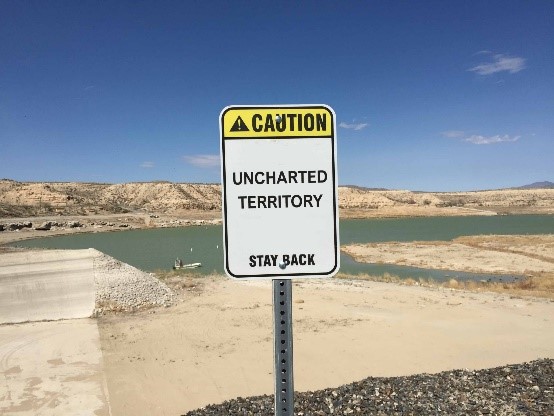 Transitioning to a virtual environment requires a mindset change. How tempting it is to find other things to do around the house when no one is looking. How will the boss even know I cleaned the garage, or planted the garden, consulted for another company, or simply read a book unrelated to work during my normal working hours?

